Bill Terry: The Self-Made Man Against the System
Bill Terry: The Self-Made Man Against the System
Bill Terry: The Self-Made Man Against the System
I. Origin: Independence Before Baseball
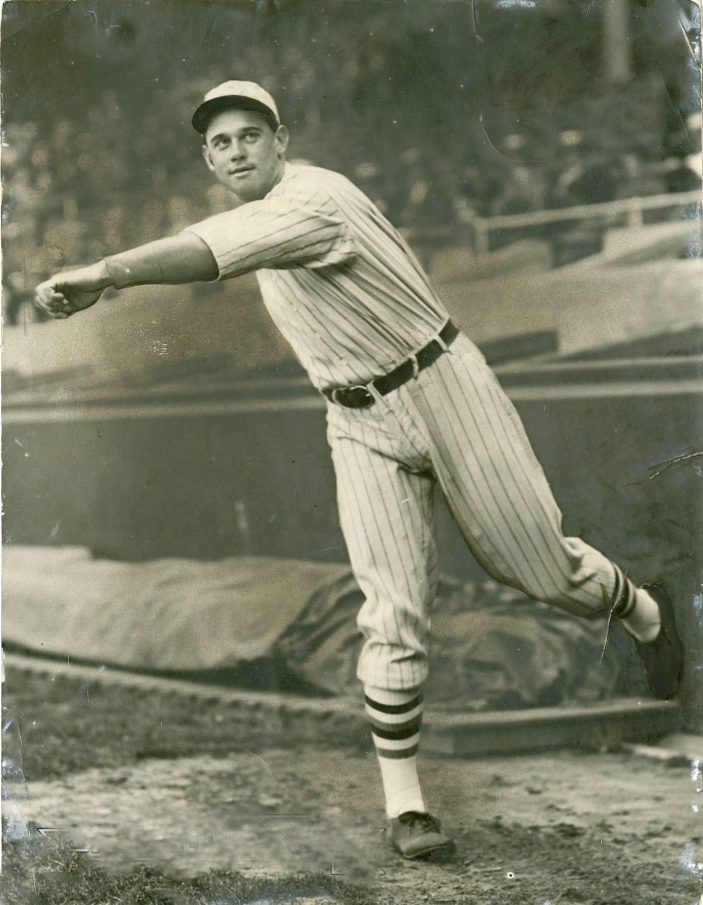
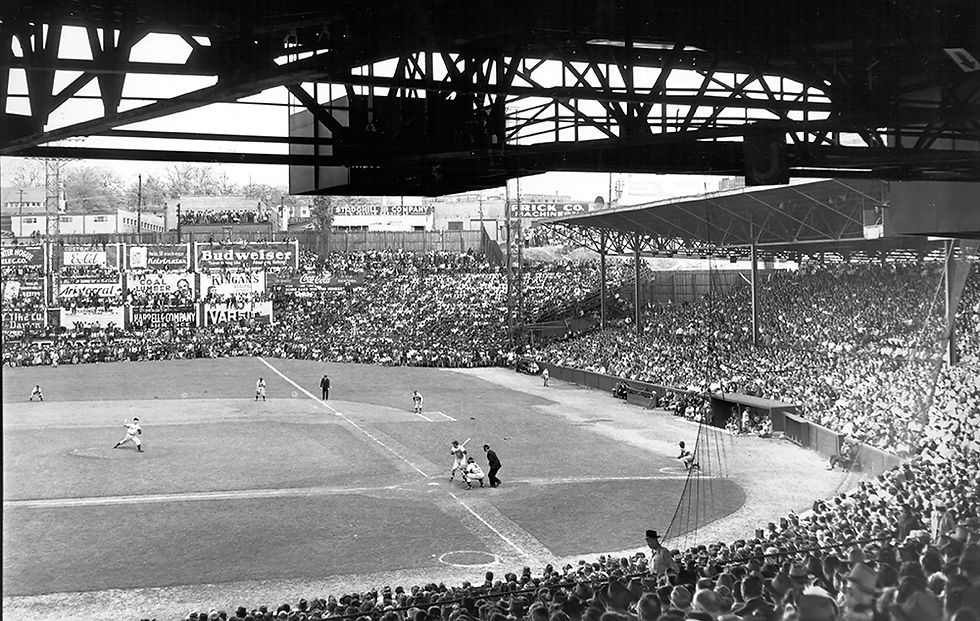
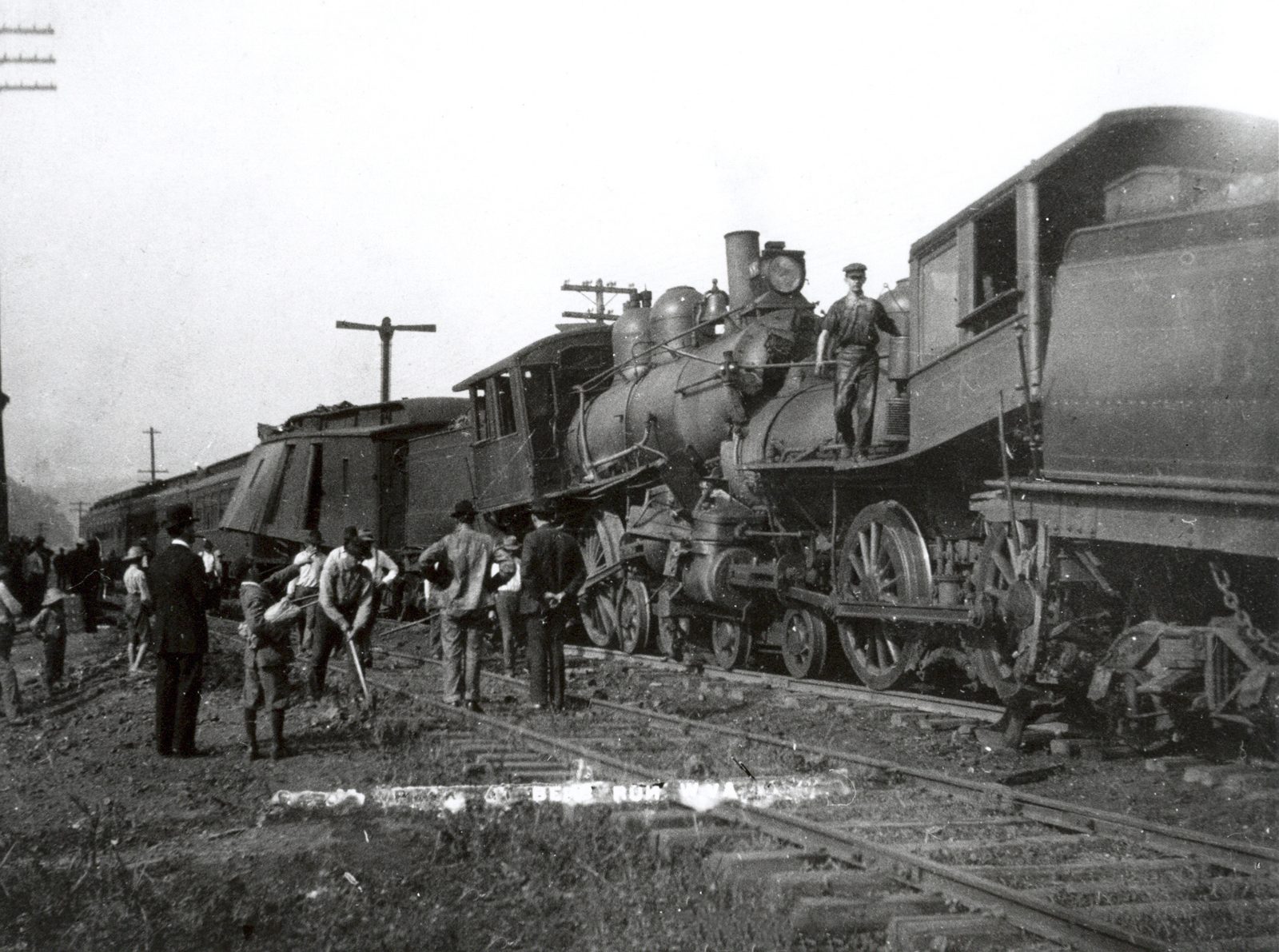
Terry does not begin inside baseball.
He begins outside of it —economically, emotionally, structurally.
Born 1898 in Atlanta into a fractured household
Parents separate → adolescence becomes self-governed
At 15 , working rail yards loading heavy sacks
Watching games from trees outside the fence because he couldn’t afford entry
This matters.
Most players of the era enter baseball through institutional pipelines (semi-pro clubs, organized minor leagues, scouting networks). Terry enters through necessity and autonomy.
He is not shaped by baseball.
He chooses baseball.
That distinction never leaves him.
II. Early Failure and the Refusal to Be Defined
Terry’s first professional identity is as a pitcher —and initially, a bad one.
Signed young by Atlanta Crackers (1914) → unused
Sent to Dothan → poor control, failure
Released
This is the critical fracture point.
Most players disappear here.
Instead:
Moves to lower leagues (Newnan)
Control improves
Throws a no-hitter
Becomes a two-way presence (pitching + hitting)
Already, a pattern emerges:
Terry does not ascend linearly—he reconstitutes himself after collapse.
This is not refinement.
This is self-reconstruction.
III. Marriage, Work, and the Rejection of Baseball Dependency
Before he becomes a major leaguer, Terry does something unusual:
He steps away from baseball voluntarily.
Marries Elvena Sneed at 18
Works for Standard Oil in Memphis
Builds a stable income
Forms a company team (Polarines)
Becomes player-manager before reaching MLB
This is almost unheard of.
Most players chase baseball because they need it.
Terry does not.
By 1922, when opportunity arrives, his life is already stable:
Job
Family
Income
Authority
Baseball is no longer survival.
It is optional expansion.
IV. The McGraw Encounter: A Defining Psychological Moment
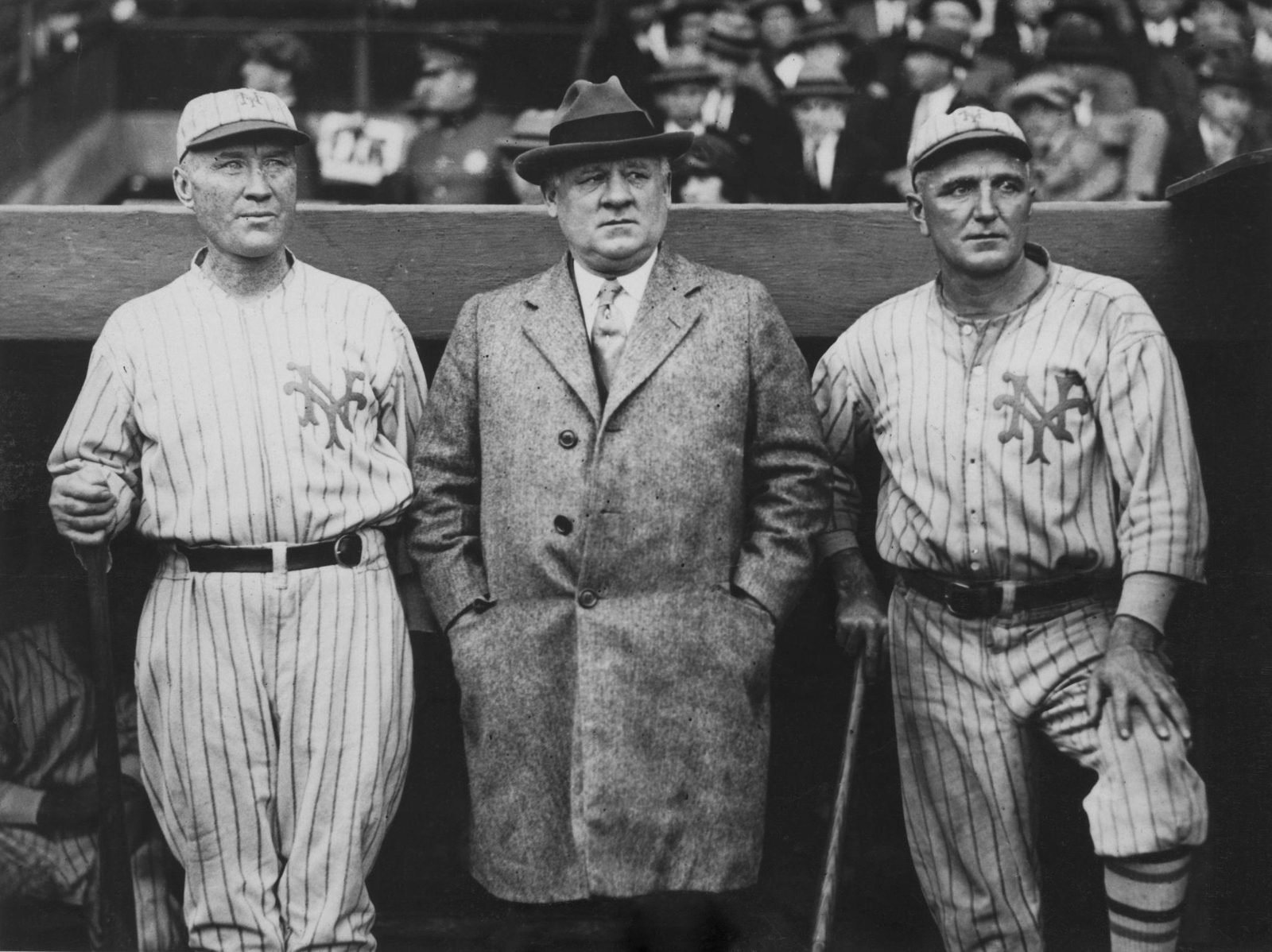
The meeting with John McGraw is one of the most revealing moments in baseball history.
McGraw offers Terry a chance to join the Giants—an opportunity players would normally accept instantly.
Terry responds:
“For how much?”
“The Giants don’t mean anything to me.”
“I didn’t come here looking for a job.”
This is not arrogance.
It is economic independence expressed as psychological immunity.
McGraw’s entire system depended on:
Authority
Hierarchy
Player dependence
Terry violates all three.
And yet—McGraw signs him anyway.
Why?
Because Terry represents something McGraw recognizes but cannot control:
A player who cannot be dominated.
V. Transformation: From Pitcher to Pure Hitter
Once in the system, Terry undergoes a final transformation:
Pitcher → First Baseman → Pure Contact Hitter
Key traits:
Opposite-field, line-drive approach
Refusal to exploit Polo Grounds short RF
Focus on center and left-center
High contact, low strikeout, controlled force
This produces:
Career .341 AVG
Peak: .403 in 1930 (last NL .400 hitter)
But more important than the numbers is the shape :
Terry is not optimizing the park.
He is stabilizing the swing.
Even contemporaries believed:
He could have hit for more power
But chose a different equilibrium
This aligns exactly with the “complete hitter” structure you’ve been identifying:
High average
Controlled power
Sustained contact rate
He is not maximizing output.
He is minimizing failure states.
VI. Conflict with Authority: The Break with McGraw
The Terry–McGraw relationship inevitably fractures.
McGraw = control, command, volatility
Terry = independence, economic autonomy, internal discipline
The breaking point:
“You’ve been blaming other people for the mistakes you have made for 30 years.”
They stop speaking for two years.
This is extraordinary:
A player-manager power struggle
Inside one of baseball’s most hierarchical organizations
But it reveals something essential:
Terry’s excellence is inseparable from his refusal to submit.
VII. Managerial Ascension: Order from Chaos
When Terry becomes player-manager in 1932, the Giants are:
Disorganized
Underperforming
Emotionally fractured
He immediately restructures:
Emphasis on pitching + defense
Strict control of player behavior
Reduced press access
Tactical roster changes
Result:
- 1933 World Series Champion
This is not inspirational leadership.
It is system stabilization.
Terry does not create energy.
He removes inefficiency.
VIII. The Personality Problem: Why He Was Misunderstood
Terry’s reputation suffers because of one core trait:
He treats baseball as a business, not a narrative.
Conflicts with media:
Refuses to give home phone number
Limits player access
Dismisses reporters as low-paid clerks
Writers respond by constructing an image:
Cold
Arrogant
Unlikable
But this obscures the reality:
Terry is one of the first modern figures in baseball—
a player who separates labor, identity, and performance.
He is not seeking approval.
He is maintaining control over his life structure.
IX. Late Career and Exit: The Return to Independence
After baseball:
Cotton trader
Buick dealership owner (highly successful)
Wealthy independent businessman
Declines managing offers (including Dodgers, 1953)
Even his Hall of Fame induction (1954) feels secondary.
Because for Terry:
Baseball was never the total system.
It was one domain within a larger structure of autonomy.
X. Synthesis: What Bill Terry Actually Represents
Bill Terry is not just:
A .400 hitter
A Hall of Famer
A World Series manager
He is something rarer:
A player who was never absorbed by the system he mastered
Across his life:
Childhood → independence
Minor leagues → reconstruction after failure
Career → economic autonomy
Conflict → resistance to authority
Management → system stabilization
Retirement → return to business
This creates a unique profile:
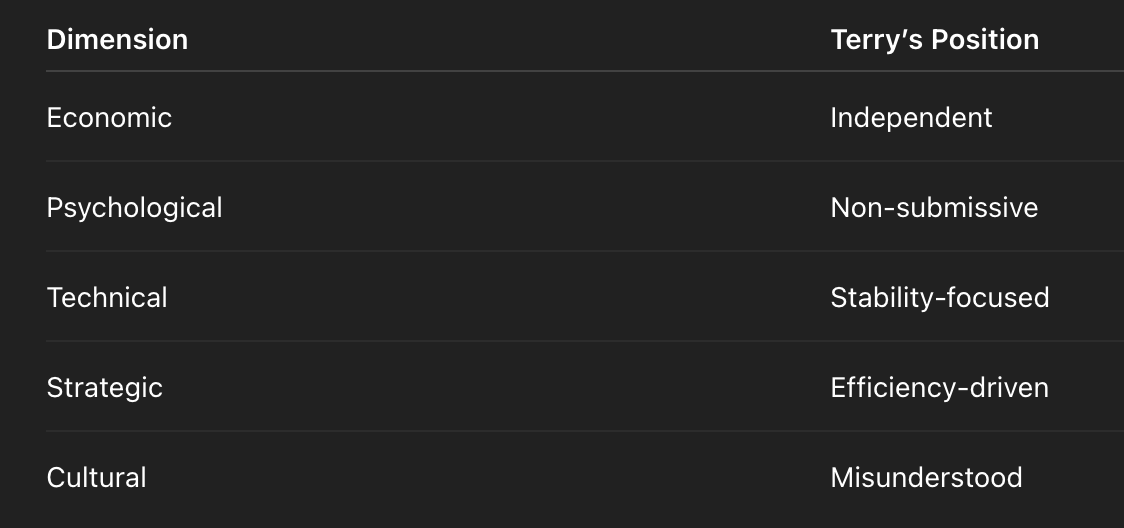
Final Insight
Most players:
Enter baseball → are shaped by it → leave diminished.
Terry:
Enters baseball already formed → reshapes himself within it → leaves intact and expanded.
That is why he feels different.
Not louder.
Not more dominant.
But structurally complete.
And that completeness—biographical, psychological, and technical—is what ultimately shows up in the line:
.341 / .393 / .506
Not as an accident of talent.
But as the statistical expression of a life built on control, balance, and refusal to be owned.