Genius at the Atmospheric Extremes: Amos Rusie (1894) and Honus Wagner (1908)
Genius at the Atmospheric Extremes: Amos Rusie (1894) and Honus Wagner (1908)
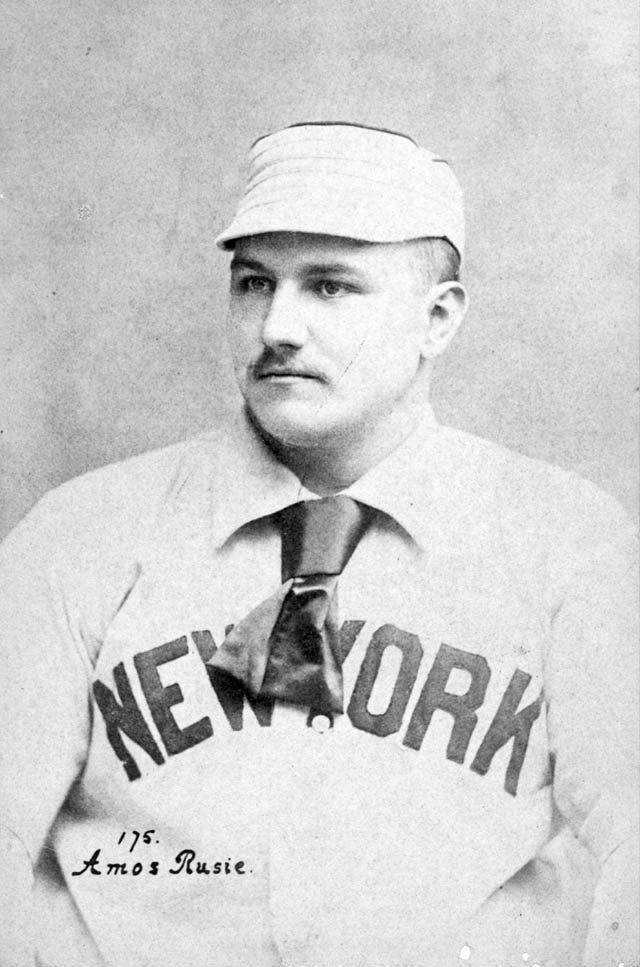

Genius at the Atmospheric Extremes
Amos Rusie (1894) and Honus Wagner (1908)
Baseball history moves through atmospheres.
Some years the sky widens — scoring surges, run conversion explodes, resistance thins.
Other years the sky compresses — scoring collapses, run prevention dominates, offense suffocates.
If dominance is defined mechanically — not narratively — then genius is performance under maximum environmental pressure.
One pitcher season.
One hitter season.
The pair is structurally clean.
I. The Widest Sky — 1894
In 1894, the National League reached the most expansive sustained scoring environment of the 19th century.

This was not normal inflation.
It was geometric rupture.
The 1893 distance change had expanded the reaction window. By 1894–1895, scoring surged to historic heights.
To dominate here meant erasing a massive atmosphere.
Amos Rusie — 1894
ERA: 2.78
League RE: 7.38
Atmospheric suppression:
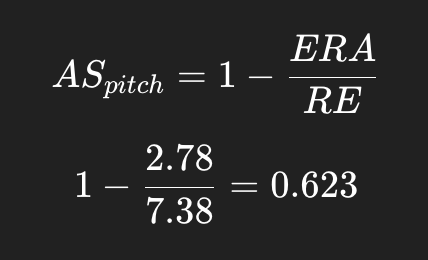
≈ 62.3% atmospheric erasure
In the widest sky of the century, Rusie erased more than sixty percent of it.
That is not contextual dominance.
That is structural dominance.
The sky was largest.
He erased most of it.
II. The Tightest Sky — 1908
If 1894 represents maximum expansion, 1908 represents maximum compression.
League Run Environment (National League, 1908):

This is lower than 1968.
Lower than any post-1920 season.
One of the tightest scoring atmospheres in modern baseball history.
Offense was suffocated.
To dominate here meant carving production inside a starved system.
Honus Wagner — 1908
AVG: .354
OBP: .415
SLG: .542
OPS+: 205
Runs Created ≈ 115
Games ≈ 151
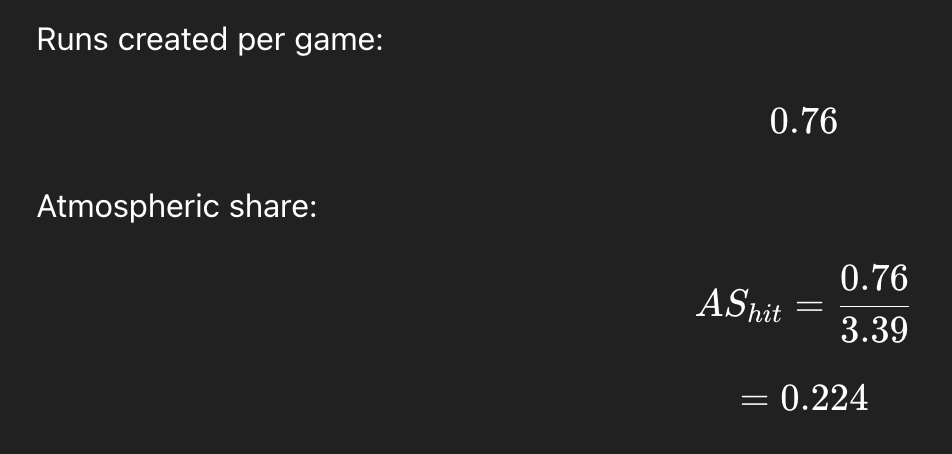
≈ 22.4% of the entire offensive atmosphere
In the tightest sky of the era, Wagner personally generated nearly a quarter of a full team’s scoring output.
That is penetration under compression.
III. The Symmetry
Rusie (1894):
Widest sky.
62% atmospheric suppression.
Wagner (1908):
Tightest sky.
22% atmospheric claim.
One erased the greatest expansion.
One created inside the greatest contraction.
Both seasons sit at opposite poles of the same mechanical structure.
IV. The Structural Meaning
The model is simple:

RE is the era.
The sky moves.
The measurement does not.
When the sky widens, suppression becomes proportionally harder.
When the sky compresses, production becomes proportionally harder.
Rusie mastered the widest sky.
Wagner mastered the tightest sky.
This is not mythology.
It is atmospheric geometry.