“God Is Dead” — As Neural and Technological Event: A Structural Reading of Secularization and Synchronization
“God Is Dead” — As Neural and Technological Event: A Structural Reading of Secularization and Synchronization
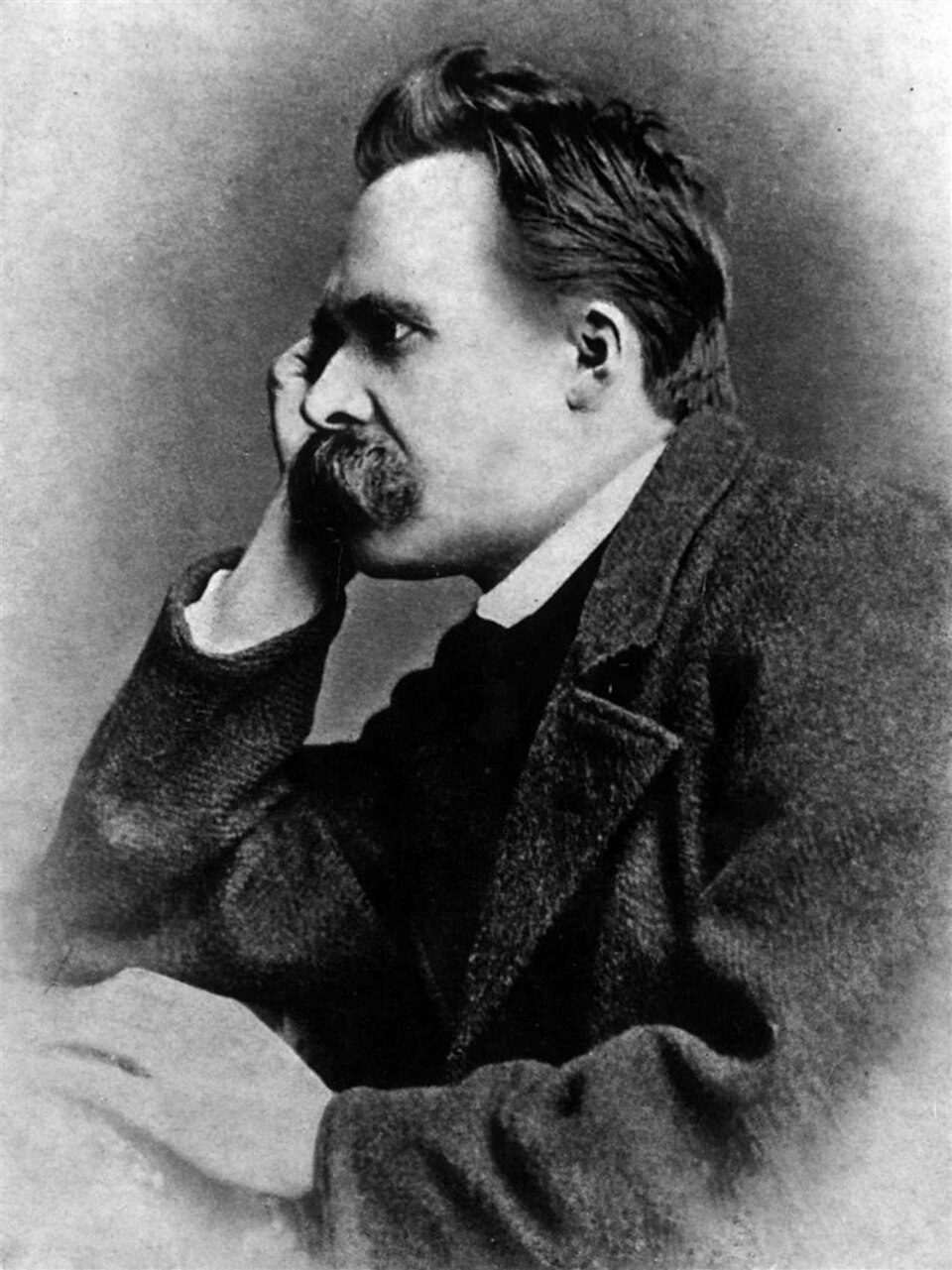
“God Is Dead” — As Neural and Technological Event
A Structural Reading of Secularization and Synchronization
Abstract
“God is dead,” as articulated by Friedrich Nietzsche, is typically interpreted as a theological or philosophical claim. This essay proposes a different reading. The statement can be understood as a neural and technological event: the displacement of religion as the dominant architecture of collective synchronization by modern communications infrastructure. The death of God, in this sense, does not signify the biological extinction of a deity nor the simple loss of belief. It marks the migration of large-scale neural entrainment from ecclesiastical structures to technological carriers—rail, print, radio, and television. The shift reorganized how coherence forms at scale in modern societies.
I. Beyond Theology: The Structural Meaning of “God Is Dead”
Nietzsche’s declaration does not describe a metaphysical death. It describes the collapse of a shared organizing center.
For centuries, religion in Europe—and in derivative form in the United States—served as:
A synchronized ritual calendar
A shared symbolic vocabulary
A moral and metaphysical reference point
An architectural gathering system
Cathedral, parish, sermon, liturgy: these were not merely spiritual forms. They were synchronization mechanisms.
When Nietzsche writes that God is dead, he is identifying a structural event: the erosion of religion’s monopoly over collective coherence.
The question is not whether individuals continued to believe. The question is whether religious architecture continued to organize the nervous systems of entire populations in coordinated rhythm.
II. The Neural Dimension: Entrainment and Ritual
Religious systems historically achieved coherence through repetition.
Weekly services.
Seasonal holy days.
Shared hymns.
Scriptural recitation.
Pilgrimage.
Such rituals entrain neural systems. Repeated exposure to shared symbols and rhythms creates predictable emotional arcs and coordinated attentional states across communities.
Neural synchronization does not require doctrinal unanimity. It requires patterned repetition.
When religious attendance declines or pluralism fragments shared ritual calendars, large-scale neural entrainment weakens. The shared rhythm dissolves.
In this sense, “God is dead” describes a neural decoupling:
The loss of a singular ritual architecture capable of coordinating millions through synchronized repetition.
III. The Technological Dimension: Infrastructure as Replacement Carrier
Between 1900 and 1960, industrial modernity introduced new synchronization architectures:
Railroads standardized time zones.
Telegraph systems compressed information delay.
Mass print capitalism standardized narrative.
Radio enabled real-time simultaneity.
Television unified visual perception across households.
These technologies did not simply accelerate commerce. They reorganized shared presence.
Where coherence once required physical congregation within ecclesiastical space, it could now be achieved through mediated simultaneity.
Radio did not replace doctrine.
It replaced weekly auditory synchronization.
Television did not replace theology.
It replaced architectural gathering through distributed perceptual fields.
Technological infrastructure began performing synchronization functions historically monopolized by religion.
“God is dead” becomes, in this reading, a technological migration.
IV. Vertical Meaning vs. Horizontal Synchronization
It is crucial to distinguish between two dimensions of coherence:
Vertical coherence
Transcendent reference
Metaphysical grounding
Moral telos
Horizontal synchronization
Shared attention
Simultaneous experience
Event-based alignment
Religion historically provided both.
Modern technological infrastructure excels at the second.
Radio and television can synchronize millions at once.
They cannot inherently generate transcendent meaning.
The death of God, therefore, does not imply that synchronization vanished. It implies that synchronization detached from transcendence.
Attention remained coordinated.
Meaning became contested.
V. From Cathedral to Carrier
Pre-modern coherence required proximity:
Parish.
Pilgrimage.
Congregation.
Modern coherence operates through carriers:
Signal.
Network.
Broadcast.
Where once architecture of stone organized bodies in shared space, electromagnetic architecture organized bodies across distance.
The cathedral aligned through congregation.
The radio aligned through simultaneity.
The television aligned through immersion.
The organizing center shifted from sacred architecture to technological infrastructure.
The death of God is thus not only philosophical.
It is infrastructural.
VI. The Contemporary Tension
The twentieth century demonstrated that technological synchronization could sustain large-scale coherence without centralized religious authority.
But this coherence depended on shared carriers.
When broadcast centrality fragments—through cable proliferation, algorithmic feeds, personalized streams—the synchronization function destabilizes.
If religious unity once declined,
and broadcast unity later fragments,
the question becomes acute:
What now organizes collective neural rhythm?
The original death of God was the collapse of theological synchronization.
The emerging crisis may be the collapse of technological synchronization.
Conclusion
“God is dead” can be read not as a metaphysical obituary but as a structural diagnosis.
It marks the migration of collective neural synchronization from religious architecture to technological infrastructure.
Cathedrals gave way to networks.
Pulpits gave way to microphones.
Stained glass gave way to screens.
The organizing center of shared presence shifted.
Belief did not vanish.
But the architecture that once coordinated it lost dominance.
The death of God, in this interpretation, is neither triumph nor tragedy.
It is the reorganization of coherence at scale.
And that reorganization remains unfinished.