Kid Nichols Under Extreme Skies: How the Apex Band Translates to 19th-Century Pitching
Kid Nichols Under Extreme Skies: How the Apex Band Translates to 19th-Century Pitching
Kid Nichols Under Extreme Skies
How the Apex Band Translates to 19th-Century Pitching
To understand how the .20 apex band translates to pitching, we run the exact atmospheric logic through the pitching module.
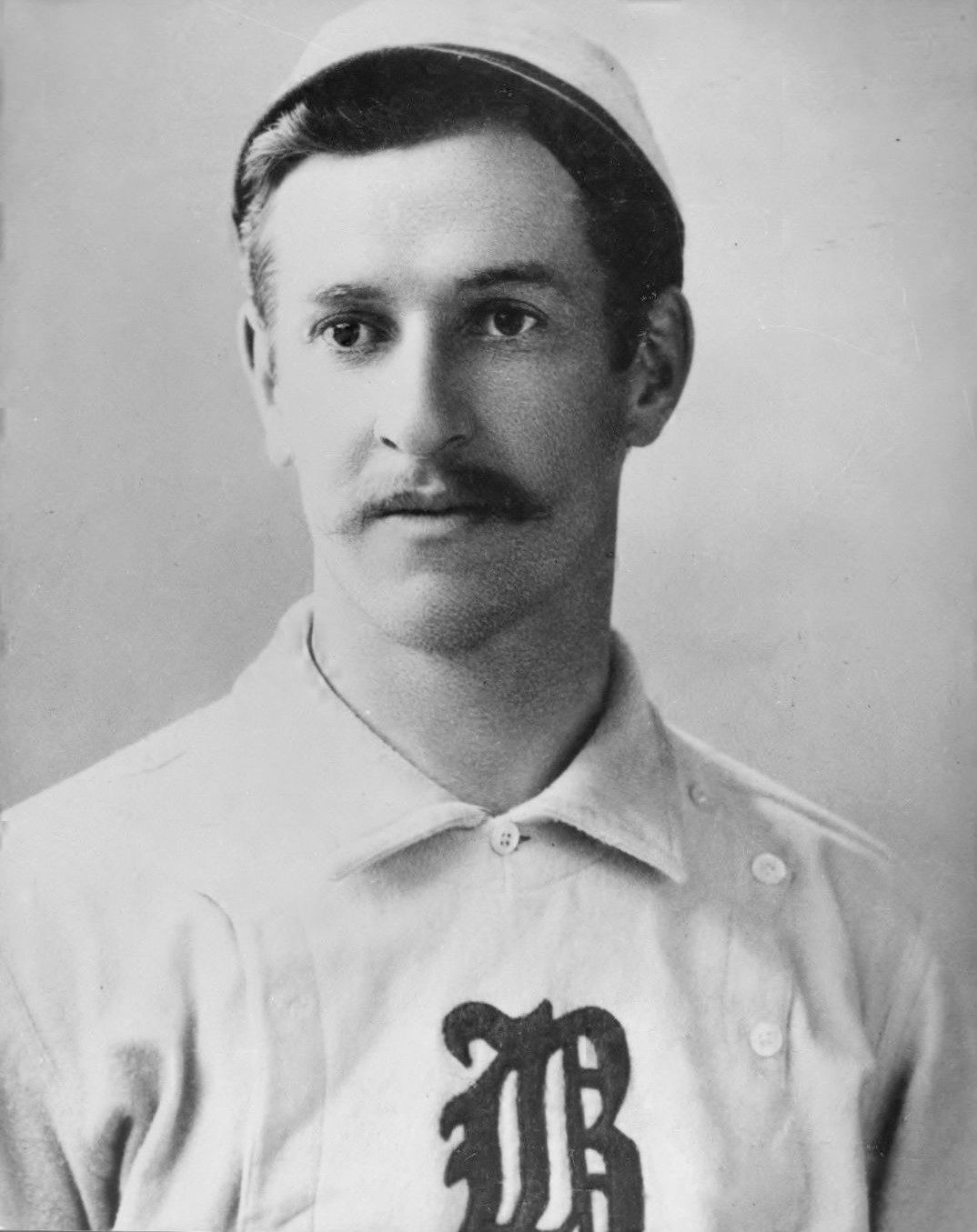
Kid Nichols
Nichols pitched primarily in the same Victorian sky we declared:

That matters.
Because the 19th century was not just an inflated hitting environment — it was an inflated suppression environment.
I. The Pitching Module
The framework:
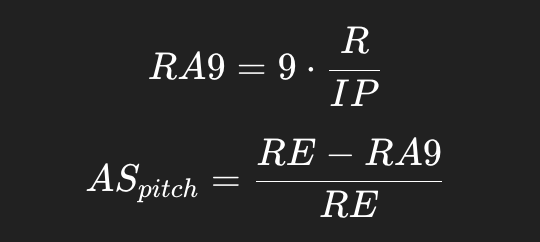
Atmospheric Share for pitchers measures:
The fraction of the era’s scoring atmosphere suppressed per full-game equivalent.
For hitters, .20 means generating 20% of all runs.
For pitchers, .20 means suppressing 20% of all runs that would otherwise exist.
II. Nichols’ Career Baseline
Career numbers:
ERA: 2.96
Career RA9 (approx): ~3.45 (19th-century unearned runs elevate RA9 above ERA)
Using RA9 ≈ 3.45:
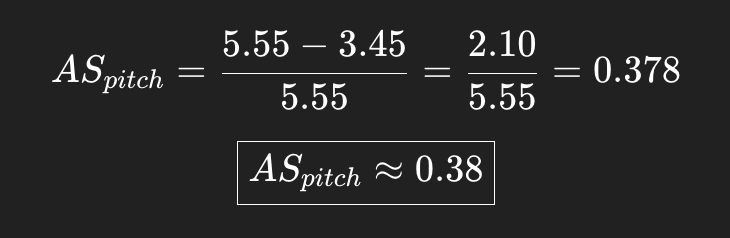
That is enormous.
III. Why It Looks So Large
At first glance, .38 dwarfs the .20 hitter apex.
But this is structural:
Pitchers directly control the entire run prevention side.
Hitters contribute only a slice of total offense.
The scale is not symmetric in magnitude — it is symmetric in atmospheric logic.
What matters is relative separation within role.
Nichols suppresses roughly 38% of the Victorian scoring atmosphere per game.
That is overwhelming.
IV. The Inflation Problem Reversed
In high offensive skies:
Hitters struggle to reach .20 because the sky is thick.
Pitchers struggle because the environment is hostile.
Yet Nichols still suppresses nearly 40%.
That means:
He is carving dominance against inflation.
The same Victorian sky that compresses hitters amplifies elite suppression.
Because when the sky is thick, meaningful suppression becomes extraordinary.
V. Does Nichols Reach the Apex Band?
If we compare structurally:
Brouthers: .156
Hamilton: .138
Nichols: .38 (pitch suppression)
Nichols is not merely in an apex band.
He is in a suppression super-band.
But remember:
Pitching AS values tend to be numerically larger than hitting AS values because pitchers control the entire defensive field for their innings.
So the real question is comparative:
How does Nichols compare to later apex pitchers?
Consider Deadball arms like:
Walter Johnson
Lefty Grove
In thinner skies (RE ≈ 3.7–5.0), elite suppression often falls into the .35–.42 range.
Nichols lives squarely in that territory.
VI. What Extreme Skies Mean for Nichols
The Victorian sky does not diminish him.
It clarifies him.
Because:
Offensive inflation compresses hitter separation.
Offensive inflation makes suppression harder.
Suppressing in a 5.55 environment is structurally difficult.
Nichols’ .38 suppression share tells us:
He was not just good for his time.
He was bending the run climate downward.
VII. The Translation
The .20 hitter apex band represents extreme offensive penetration.
For pitchers, the structural analog is roughly:

Nichols sits inside that band.
That places him not merely as a strong 19th-century pitcher — but as one whose dominance translates cleanly across eras.
Unlike 19th-century hitters, whose separation compresses under inflation, Nichols’ suppression pierces through it.
VIII. Final Structural Placement
Under declared skies:
19th-century hitters top out around .15–.16.
Apex 20th-century hitters reach ~.20.
Nichols reaches ~.38 suppression.
The Victorian sky limits offensive apex.
It does not limit elite suppression.
That is why:
Nichols translates forward more cleanly than Hamilton.
And why the 19th century did produce at least one atmospheric apex force — but on the mound, not at the plate.