Structural Inclusion as Historical Truth: Buck Leonard, Lou Gehrig, and the Sovereignty of Dominance
Structural Inclusion as Historical Truth: Buck Leonard, Lou Gehrig, and the Sovereignty of Dominance
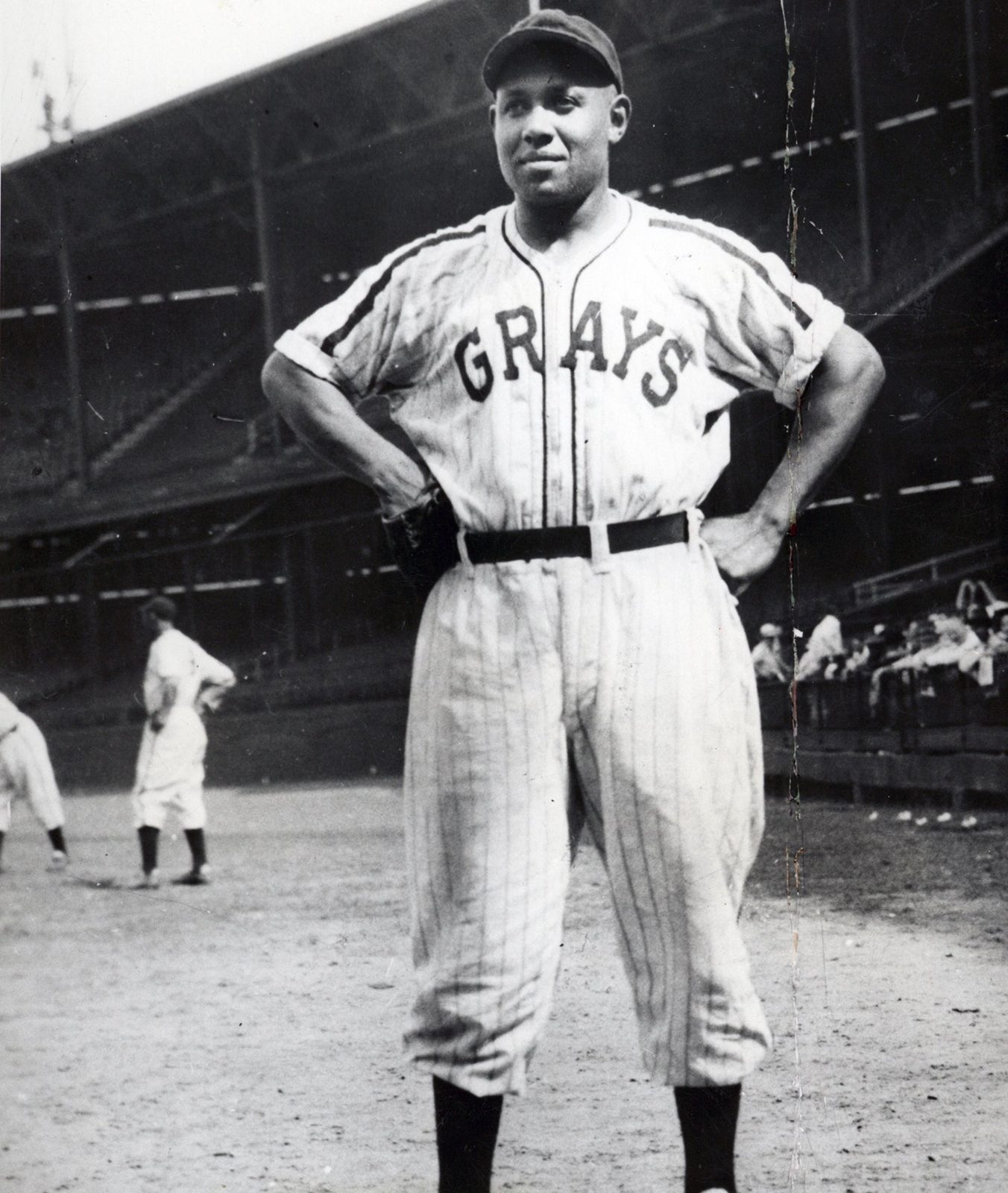
Structural Inclusion as Historical Truth
Buck Leonard, Lou Gehrig, and the Sovereignty of Dominance
There are two ways to rank baseball players.
One is mythic.
The other is structural.
The mythic system privileges narrative gravity:
cultural saturation, broadcast visibility, and inherited memory.
The structural system privileges only one thing:
Dominance relative to league context, filtered for volume.
If baseball history is to be unified across segregated universes, only one of these systems can claim methodological neutrality.
I. The Problem of Segregated Universes
For decades, baseball existed in parallel competitive worlds:
Major League Baseball
The Negro Leagues
Cuban and Caribbean circuits
The separation was political, not athletic.
But historical evaluation hardened inside those partitions.
Recognition became fragmented.
Dominance became isolated.
When greatness is never placed on a single axis, mythology fills the gap.
II. The Neutral Axis
A unified history requires a unified metric.
The neutral axis is:
OPS+ for hitters
ERA+ for pitchers
Volume thresholds (≥ 3000 PA, ≥ 1000 IP)
Role-separated universes
Tail-logged integration across roles
This framework asks only:
How far into the statistical tail did a player push relative to his competitive environment?
Nothing more.
III. The Case of Buck Leonard
Buck Leonard was the offensive anchor of the Homestead Grays dynasty.
In a unified dominance model:
OPS+ ~175
Volume-qualified
Tail-logged rank: Top 10 pre-1980
Within the same system, Lou Gehrig ranks slightly higher — but within the same dominance band.
The separation is marginal.
Not symbolic.
Marginal.
Within their respective universes:
Gehrig was structurally elite.
Leonard was structurally elite.
When dominance is normalized and volume-filtered, segregation disappears.
Performance remains.
IV. What Structural Inclusion Requires
Structural inclusion requires:
Equal statistical treatment
Equal volume thresholds
Equal tail modeling
Refusal to treat prominence as evidence
It does not require inflation.
It requires consistency.
If a player survives the same gates as his cross-league peers, he belongs in the same unified register.
V. The Sovereignty of the Tail
At the extreme end of dominance distributions, separation compresses.
The difference between ranks 7 and 9 is smaller than narrative intuition suggests.
Elite performance clusters.
Myth exaggerates distance.
Mathematics compresses it.
Buck Leonard is not culturally identical to Lou Gehrig.
But structurally — within a unified dominance model — he is near him.
That is not romance.
It is statistical reality.
VI. Final Position
Structural dominance is historical truth.
If a player:
Meets volume thresholds
Dominates relative to league baseline
Survives tail compression
Remains elite after cross-universe normalization
Then he belongs in the unified canon.
Buck Leonard was that in Black baseball.
And when the data is treated sovereignly, he remains that in baseball history.
Not as myth.
As structure.