The Birth of the 200-Hit Season: Schedule Length and the Structural Limits of 19th-Century Baseball
The Birth of the 200-Hit Season: Schedule Length and the Structural Limits of 19th-Century Baseball
The Birth of the 200-Hit Season
Schedule Length and the Structural Limits of 19th-Century Baseball
One of the most recognizable milestones in baseball statistics is the 200-hit season. Today it is treated almost instinctively as a marker of sustained offensive excellence. Yet the historical record reveals something surprising: for most of the nineteenth century, the milestone was extraordinarily rare.
The reason was not simply talent. It was structure.
During the earliest decades of professional baseball, seasons were dramatically shorter than they would later become. Because of this, even the greatest hitters in the game faced mathematical limits on how many hits they could accumulate.
Understanding the emergence of the 200-hit season therefore requires examining the structure of the early baseball calendar.
Season Length in Early Major League Baseball
During the nineteenth century the schedule gradually expanded. Seasons that modern fans would consider extremely short were common.
Typical major league season lengths evolved roughly as follows:
1870s: roughly 60–70 games
Early 1880s: roughly 80–90 games
Mid-1880s: roughly 98–112 games
Early 1890s: roughly 132 games
1898 onward: 154 games
These shorter schedules created natural ceilings on statistical accumulation. Even if a player produced hits at a tremendous rate, there were simply fewer opportunities.
For example, reaching 200 hits in a 100-game season would require averaging two hits per game across the entire year. Sustaining that pace is nearly impossible.
For much of baseball’s early history, the schedule itself prevented the milestone from appearing.
The First 200-Hit Season
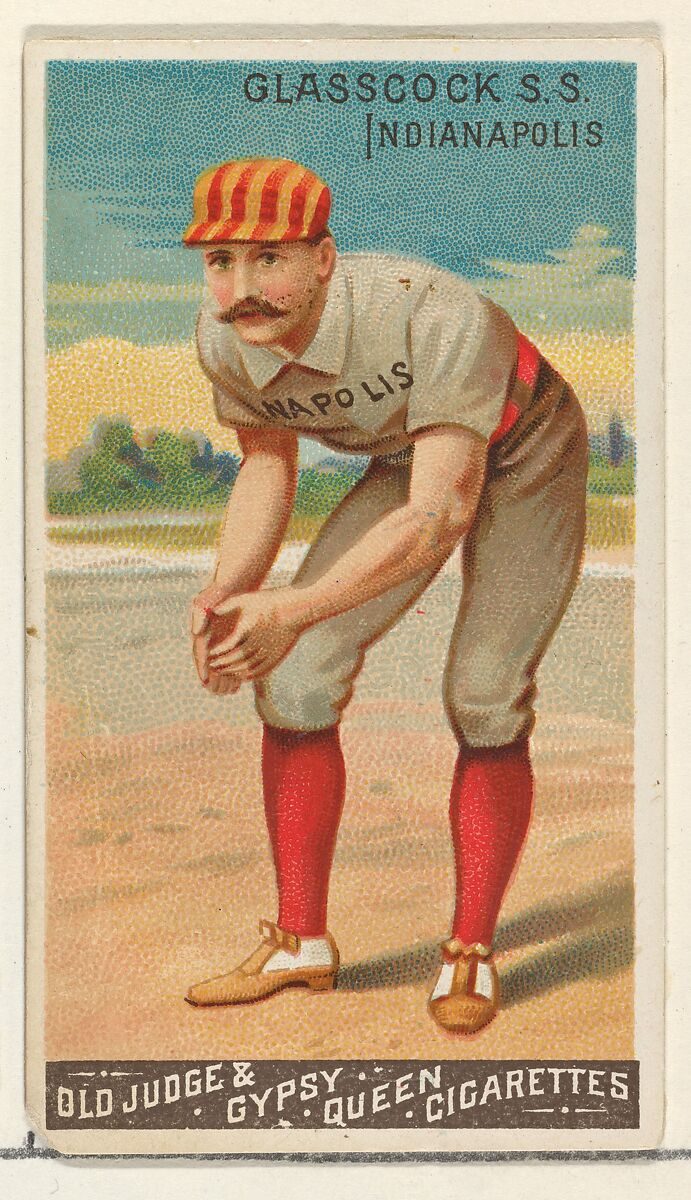
The first player to break through this barrier was Jack Glasscock in 1889.
Glasscock recorded 205 hits in 134 games for the Indianapolis Hoosiers.
This season is historically important because it established that the milestone was theoretically possible under nineteenth-century conditions. But even after Glasscock’s achievement, 200-hit seasons remained rare.
The Offensive Explosion of the 1890s
The number of 200-hit seasons increased dramatically in the 1890s after one of the most important rule changes in baseball history.
In 1893 the pitching distance was moved from fifty feet to sixty feet six inches, the modern distance still used today. This change dramatically altered the balance between pitcher and hitter and triggered an immediate surge in offense across the league.
Within a few seasons several hitters began reaching totals that previously would have been almost impossible.
Every 200-Hit Season Before 1900 (With Season Length)
Below are all verified 200-hit seasons in the nineteenth century, along with the number of games played that year.
1889 — Jack Glasscock — 205 hits — 134 games
1893 — Ed Delahanty — 219 hits — 133 games
1893 — Hugh Duffy — 203 hits — 131 games
1894 — Hugh Duffy — 237 hits — 125 games
1894 — Sam Thompson — 222 hits — 123 games
1894 — Ed Delahanty — 220 hits — 129 games
1894 — Willie Keeler — 219 hits — 132 games
1895 — Jesse Burkett — 225 hits — 132 games
1895 — Ed Delahanty — 219 hits — 131 games
1895 — Hugh Duffy — 217 hits — 132 games
1895 — Sam Thompson — 217 hits — 132 games
1895 — Willie Keeler — 215 hits — 134 games
1896 — Jesse Burkett — 240 hits — 134 games
1897 — Willie Keeler — 239 hits — 129 games
1897 — Jesse Burkett — 205 hits — 132 games
1897 — Ed Delahanty — 200 hits — 130 games
These seasons represent the entire population of 200-hit performances before the twentieth century.
The Hit Leaders of the Era
A small group of players produced the majority of these seasons.
Jesse Burkett recorded three.
Ed Delahanty recorded four.
Willie Keeler recorded three.
Hugh Duffy recorded three.
Sam Thompson recorded two.
These hitters dominated the offensive landscape of the 1890s and represent the highest-volume contact hitters of nineteenth-century baseball.
The Density of Nineteenth-Century Hitting
Because schedules were shorter, hitters had to produce hits at much higher rates to reach 200.
For example, in a 132-game season the required pace is roughly one and a half hits per game.
Many nineteenth-century seasons exceeded that pace.
Jesse Burkett’s 1896 season is a striking example. He recorded 240 hits in 134 games, a rate approaching 1.8 hits per game. That level of sustained production remains one of the most extreme offensive performances ever recorded.
A Structural Lesson in Baseball Statistics
The emergence of the 200-hit season illustrates a fundamental principle of baseball history.
Statistical milestones do not arise solely from player talent. They are also shaped by the structure of the game itself.
The length of the schedule, the rules governing pitching and hitting, and the offensive environment of the league all determine what kinds of statistical achievements are possible.
For most of the nineteenth century, the schedule simply did not allow hitters to accumulate 200 hits. Only after offensive conditions shifted in the 1890s did the milestone appear with any regularity.
The birth of the 200-hit season therefore reflects not only the achievements of extraordinary hitters but also the evolving structure of the sport itself.