The Breaker Boys: Baseball and the Child Murder of Industrial America, 1870–1930
The Breaker Boys: Baseball and the Child Murder of Industrial America, 1870–1930
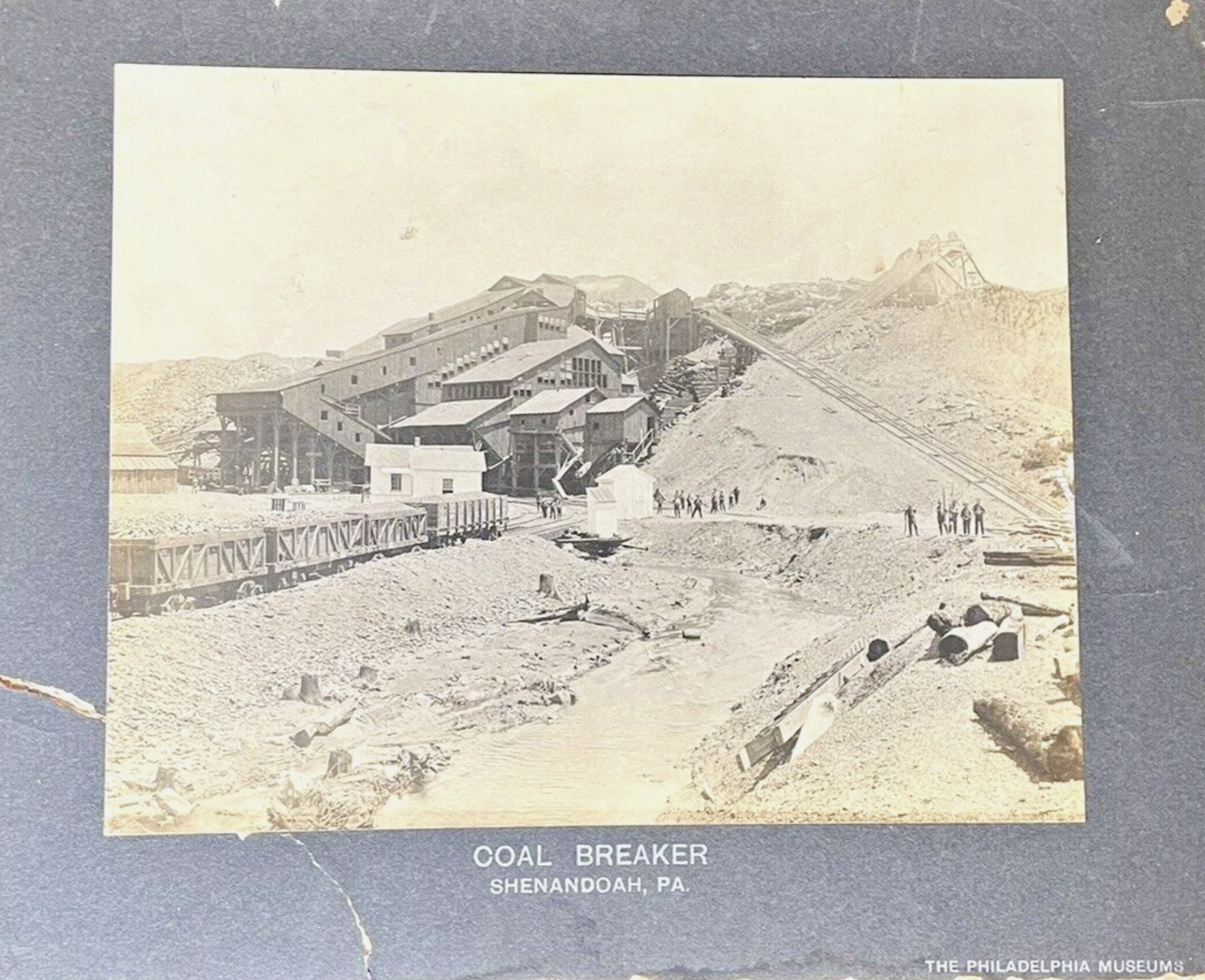
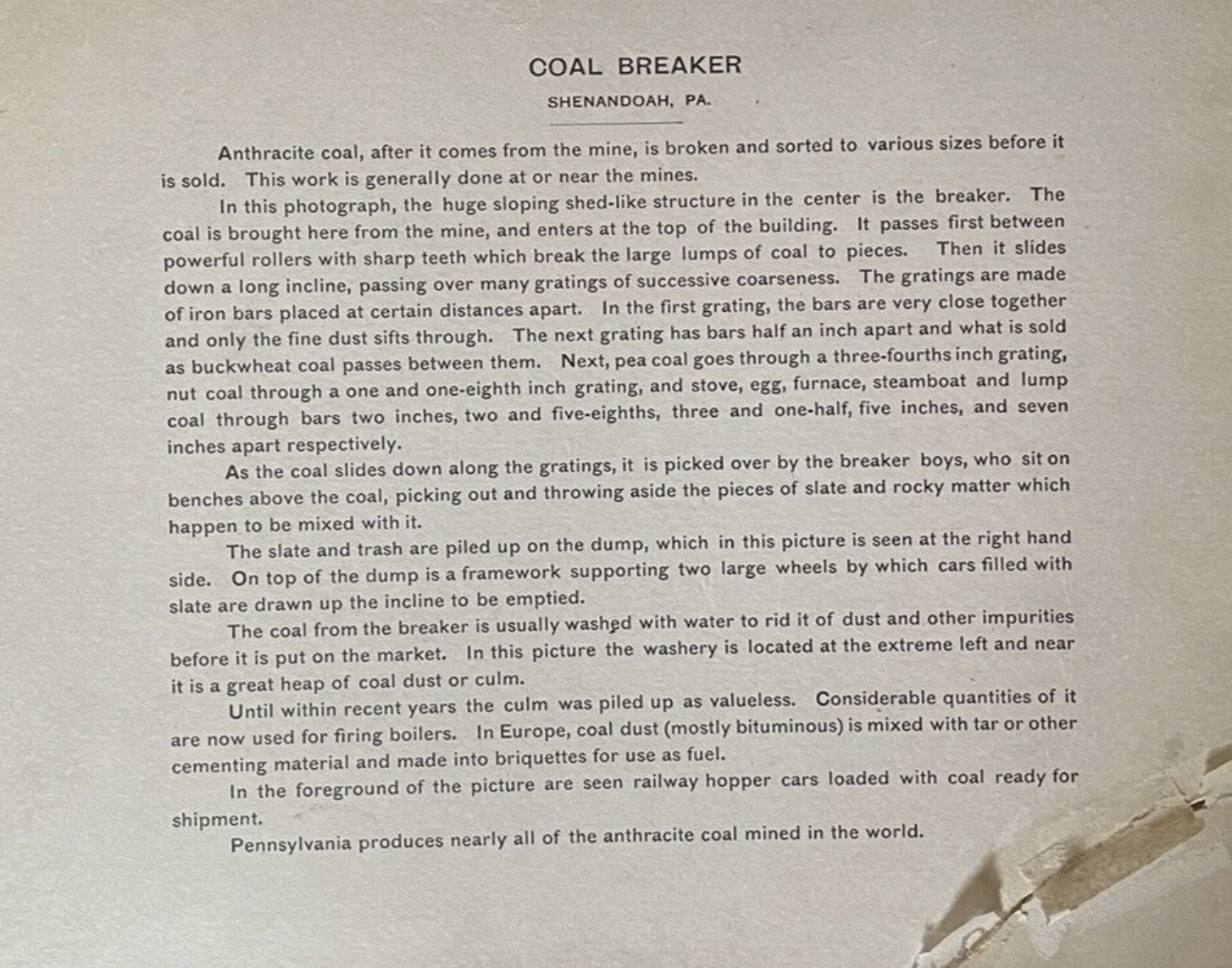
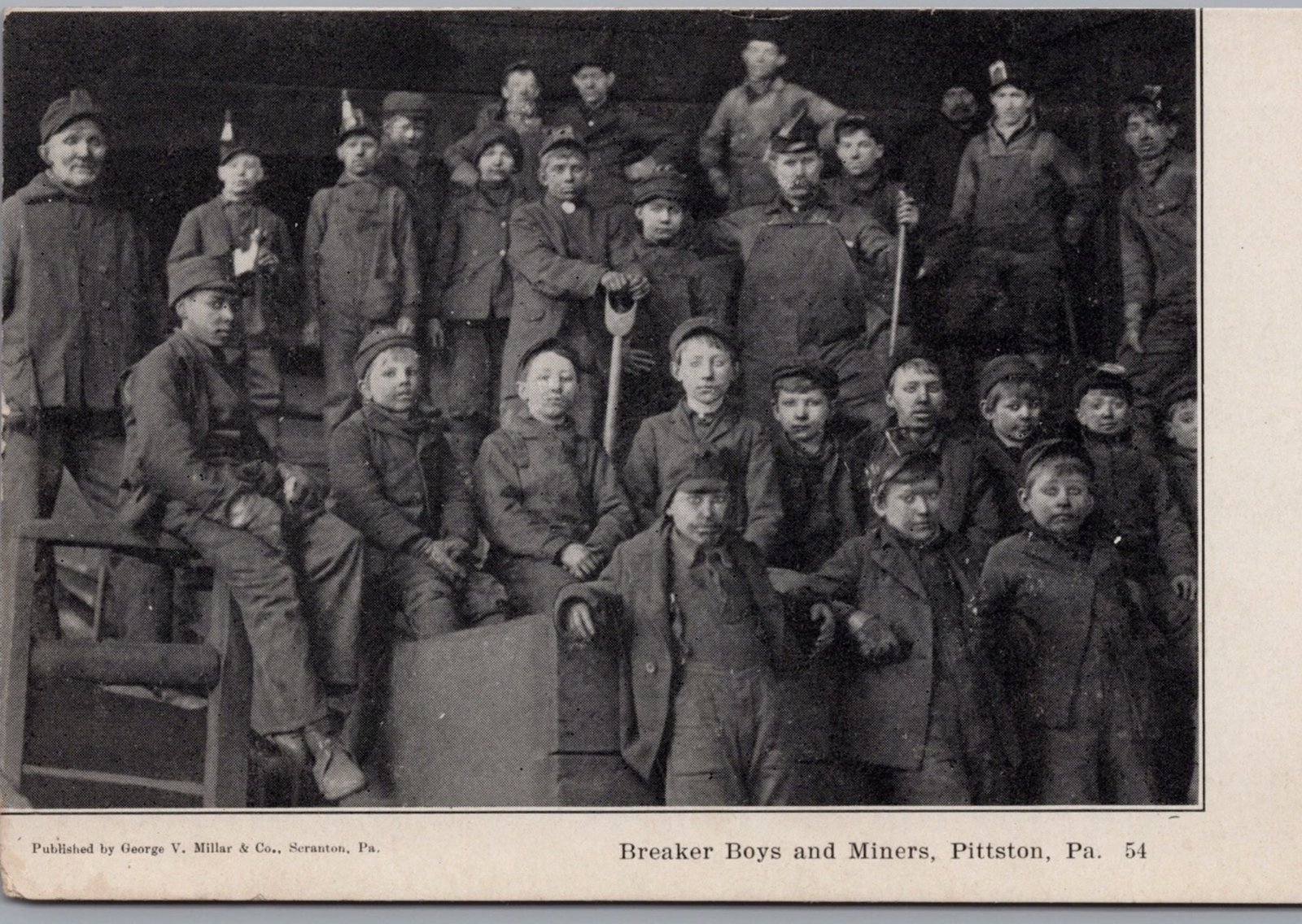
The crime of child labor in the mines and factories of the Northeast is one of the greatest crimes in modern American industrial history committed on American soil — perhaps in the entire world. From the span of 1870-1930, a conservative estimate suggests 14,000–34,000 or greater child deaths, based on data compiled by the United States Bureau of Labor Statistics and contemporaneous reform-era estimates.
The reason this statistical estimate constitutes such a wide gap in definitive number is lack of systematic cause-of-death reporting linking later mortality to workplace injury and workplace-induced illness. Deaths outside of major disaster events often were recorded simply as disease or “accidental death” without noting work conditions. These numbers improved incrementally over time; with early records remaining sparse or altogether nonexistent.
The cumulative, chronic violence of these workplace conditions was encoded into the laboring body of the child; as such, we are discussing a hidden mortality curve of incidences like lung disease, industrial lead poisoning, chronic malnutrition, and amputations: recognized early on by historians and reformers like Lewis Hine to be conditions constituting a slow massacre of working-class, laboring, immigrant children. Accounting for later mortality from occupational disease and injury, the total toll plausibly reached into the hundreds of thousands using Rosner/Markowitz multipliers.
This is nothing less than a catastrophic public health crisis en masse. From U.S. Census & Bureau of Labor data between 1870–1930, anywhere from 700,000 to 2,000,000+ children were employed at any given time in mines, mills, fields, or factories — with a cumulative total that almost certainly exceeded 25 million children and may have approached or surpassed 40 million — when high turnover, seasonal work, agriculture, street trades, and unreported labor are fully accounted for. The records are fractured and incomplete for the simple reason that these children were treated as disposable parts of a massive industrial machine. They were rarely, if ever, counted as children — or even human beings — at all.
The “industrial childhood” was not a marginal phenomenon — it was a structural condition of American being in the Industrial Age. In the industrial heartland of the Northeast and Midwest, as many as one boy in two and one child in three born between 1870 and 1910 spent at least part of their childhood in mines, mills, or factories. Across the nation as a whole they formed the hidden, unspeakable half — the accursed share — of the population’s metabolic foundation. They were the unseen, lung-breathing machinery of the American century.
These children were also America’s first baseball players. In mining and coal and factory towns across the Northeast, they played stickball in the vacant lots, alleys, and slag piles. The greatest stories of American baseball history — such as Ed Walsh and Lefty Grove — arose from these lots; the company, union, and semi-pro teams that sprung up about them to contain the young talent emerging from the factories and mines. It was well known to professional baseball managers and officials such as Connie Mack of the Philadelphia Athletics (who signed Joe Jackson from the Carolina mills; Stan Coveleski from the Shamokin mines; Grove from the lots of Lonaconing) that the best young players were forged from the discipline and trials forced upon them in these hell camps.
Among the tens of millions of children who labored between 1870–1930, the vast majority were first- or second-generation immigrants (Polish, Italian, Slovak, Irish) in the Northeastern mines and factories and mills, or southern farm, sharecropping, and mill children. Baseball spread precisely through those communities, via local leagues, factories, and coal towns. It was the unifying factor across ethnicities in the American North; functioned as a binding glue racially in the American South — producing the politically and socially revolutionary union of Dizzy Dean, Arkansas sharecropping child, with Satchel Paige, who worked odd jobs in Mobile, Alabama to support his family in the era of Jim Crow.
By 1890, a rapidly growing portion of industrial boys were familiar with or played some form of baseball. By 1910–1920, the adoption was near total, as every mining region (Scranton, Wilkes-Barre, Youngstown, Pittsburgh, Birmingham) had sandlots, local leagues, and industrial tournaments. This was a game of fathers and sons — passed down as an inheritance, just as mining and mill work were family professions: ways poor first and second generation immigrant families could survive on American soil — fleeing from war or famine. And baseball was what allowed these men, such as the French-Canadian Nap Lajoie or the Irish Ed Delahanty, or the Slovakian Jack Quinn — to not only assimilate but form genuine social connection and cohesion in a world of economic impoverishment and socio-cultural collapse of values.
The epicenter of this phenomenon — the breaker, the coal mine — was where mass social, political, and economic collapse was signified and codified into everyday life. The mines were the blackened, primordial heart of the Industrial Age; the chamber of the earth of the greatest risk and the most imminent danger to the ten and eleven year old boys who descended into it. When they grew strong enough, after days, weeks, years of shucking coal by hand — starting as young as age eight — the breaker boys would begin their descent into the mines. If their fathers were ill or otherwise could not work, they would have to begin this descent sooner to compensate for the lack of mining manpower.
The average breaker boy wage was 40–60 cents per ten-hour day. The boys would work seated or kneeling on a plank above a conveyor or screen, breaking and sorting coal by hand. The**** conditions were black dust, constant din, no eye or ear protection, freezing in winter, suffocating in summer. The hazards included crushed fingers, mangled limbs, blindness, chronic lung disease, lifelong stunted growth. And this was the beginning of the child’s initiation into mine culture. It covered the entire Pennsylvania anthracite region, from Scranton to Shenandoah; it was, like baseball, an inheritance of fathers — in the belly of the earth — and sons — in the breaker. A gradual descent into the front lines of the seam.
Between roughly 1870 and 1920, about 2–3 million American children passed through the coal breakers, either in the anthracite Northeast or the bituminous mines of Ohio and West Virginia. A conservative count of directly or indirectly coal-related deaths (accident, disease, exhaustion) among them runs to tens of thousands.
But even the survivors bore the marks: anthracosis, “black lung”, could appear by age twenty. Spinal deformity, rickets, and respiratory collapse were common. By forty, most were “old men”, crippled physically, mentally, psychologically and emotionally by their labor in the mines. This process of aging was a work of time; a sacrificial work of the mines and the industrial cell, that began for these boys at age eight; lasted often until death by age, illness, or accident. The breaker boys and their fathers and their fathers before them were, in literal terms, the sacrificial metabolism of America’s industrial energy economy — transforming the prehistoric sunlight of coal once more from the bowels of the earth into the steam, iron, and electricity that powered the new world.
This inheritance of fathers and sons was dual function. It was an inheritance of pitch and an inheritance of passion. The breaker towns were baseball towns in the most essential way and form; the most passionate, fervent devotees of America’s maturing modern game. On Sundays, the breaker boys played barefoot in slag heaps and empty lots. The ballfields were carved from refuse piles, bordered by rail lines and smokestacks. The game’s equipment was homemade; often, young boys would just practice alone, throwing rocks.
When the shift whistle blew, boys would drop their sacks, run through the culm heaps, and form sides. Baseball was their resurrection — the single act of light and order inside the hell of mechanized chaos. Jake Daubert and Stan Coveleski, two of early modern baseball’s greatest heroes, emerged from these very towns. Both men were breaker boys who escaped through baseball’s ritual. They left their small coal town of Shamokin; as Coveleski says, felt and found the astonishment of the industrial epicenters of the modern American world in Philadelphia and New York City alike. Coveleski, in particular, struggled mightily to adjust to his first time away from Shamokin — as Joe Jackson did, too, with Mack’s Athletics, coming from the mills of the Carolinas, just years apart from Coveleski’s first arrival.
The unity of the breaker boy and baseball is fundamental and absolute: baseball was the passion of the breaker boy when he was not at work in the mines. He collected the cards, worshipped the idols of his former mining fellows — such as Coveleski and the great Honus Wagner and Ed Walsh — and found absolution in America’s great game, even as the centrifugal force of industrial modernity ripped childhood away. It is, like the coal mines, the seam of early modern America and American life: the ritual of child labor which extracted almost half of America’s children born in that era and threw them into the industrial fire of empire.
It began, at root, in the ground. In the anthracite which fueled the churning of the production machines of factories manned by children; the mills manned by children to refine production into product. Grain, steel, ironworks, coal, textile: in these fields you will find America’s children who became America’s men; contributed indelibly to the fabric of the mythic, legendary, golden tradition of America’s baseball history. These men made their mark on the field; filled the stands, even as they had to return to the mines in the dark of the next day’s morning.
The breaker boys are the ground of modern American civilization, a civilization powered by coal converted to the churning steel of its gears of production. They were the sacrifice laid before the nation, a sacrifice barely acknowledged or contemplated but for the reformers like Hine who painstakingly documented the trials of these young children and their fathers. The men and children of the urban tenement factories documented by Upton Sinclair and the ruthless journalism of name, number, place and time which was required to create historical record where there was none; where death, injury, and abuse were willfully obscured.
They are the silenced American history of the 20th century; they are remembered in their passion — a passion which spread and began far beyond the fields of America’s historical memory of baseball: on the lots and slag piles of the company towns which are now abandoned and made ghost by America’s movement away from coal. Which now echo in an indifferent contemporary world to their sacrifice and their burden: a price paid by birth into poverty, uncertainty; migration in hopes of a better life for their families and young children.
To count the cost of American modernity and that which jettisoned America into the world of steel and industry and technology is to count the cost of the tens of millions of lives which were thrust into the thresher of child labor. And it is, too, to count their passion and joy — their life outside of the machines. That passion and joy was baseball. And it was the representation of their very own upon that field that fulfilled in life a brief circle; a brief possibility. An acknowledgement that their world was upon that great stage; that they, too, had greatness and the possibility of the fulfillment of genius within them. Uneducated, worked to the bone; suffering, these children found life in the sport of baseball as a communal practice; furthermore, found life in baseball as a cultural art form and a national historical display of the possibilities for such children — what was within them. Even if they could barely speak; even if they could not write their own names.
Baseball meant that there was hope, even in the midst of the impossibility of hope. It was the men like Coveleski and Daubert, both from the same Shamokin coal mines — who elucidated the absolute surprise, even years on as professional ballplayers — what it felt like to wake up each day not covered in soot and back in the mines of their childhood. It was something they looked back upon endlessly, thinking it was gaining on them — as a profound form of trauma perhaps only fully realized in personal contrast with distance from the continued, practical reality of the suffering and hardship and fear that constituted the daily work of immigrant boys in the breakers and in the belly of the earth. The pitcher Ed Walsh said,
“I had a spur which most baseball players do not have. The shadow of the coal mines was on me. I experienced all there was to experience and I never want to see a mine again.”
The resulting expression of these men, these child laborers, now grown, metabolizing the fury and difficulty of their experience forced into the daily suffering and labor to survive without seeming hope of light — was expressed upon the early 20th century baseball field as a purgation. Grove’s fastball, Walsh’s endurance, McGinnity’s iron-like staying power, Coveleski’s pinpoint control (honed by practicing throwing rocks at tin cans wedged between tree branches in the dark); Daubert’s nobility and discipline not only as a leader of the Brooklyn Dodgers but the Players’ Fraternity for labor rights and fair salary and treatment — these are all outcomes and results and expressions of the experience these men had as children. Experience which hardened them, honed them, drove them to agony and despair; made them, both in lightness and in dark, the masters of American baseball and the art and craft which we know today.
Their expression on the field was not just personal redemption or salvation. It was cultural catharsis for tens of millions of children suffering the same position that Nap Lajoie and Joe Jackson held in the mills — loss of limb; death — the same position men like Daubert held as children — as they watched their brothers die while they were spared. Suffering the agonizing, continued pain of the diseases and illnesses and wounds — both psychological and physical — that the repeated trauma of the industrial labor inflicted upon them developmentally and in relationship to a world of total political power and economic control lorded over a systematically socially oppressed group of people: the American working poor. The ethnic poor; the immigrant poor.
It began — not on the fields of the 19th century — but in the bowels of the mines; in the chain of the transformation of energy that six, eight, nine, and ten year old children handled at perpetual risk of life and limb; many times that promise was fulfilled. We must ask — can we, as benefactors and consequences of that modern world, bear that weight and that burden of the truth and acknowledgement of history? And can we give — both these children and their passion — due historical memory, course, and honor? Can we redeem them and their time with our attention and our witness? This is the task of the modern conscience and consciousness. It is in our hands.
Baseball was a hope, a pride, and a passionate joy when there was no hope, no pride, and no passionate joy. When the human life was ground down to a remainder of less than human; when the child was made a disposable machine; when the child’s death was hidden by the industrial enterprise of mass production and the generation of heat at all costs. This was and is a sacrifice of humanity. In remembering them, we do not just remember the ill; their suffering. We remember what gave their life meaning; what gave their spare moments in the nights; in brief moments on Sundays — a sense of possibility, triumph, and fulfillment. And in doing so, we remember the importance of what they laid before a world that gave them no dignity of choice; no possibility of youth. In doing so, we honor them and their hearts, bodies, and souls.
Notes on Sources:
The child-labor employment and mortality estimates are drawn primarily from Hugh D. Hindman, Child Labor: An American History (2002); Historical Statistics of the United States (Bureau of the Census); and the reports of the National Child Labor Committee (1904–1916). Conditions in the anthracite breakers and long-term health impacts are documented in David Rosner and Gerald Markowitz, Deadly Dust (1991), and in the photographic and written records of Lewis Hine. Biographical details of the ballplayers come from their contemporary interviews, SABR biographies, and standard baseball histories.
Selected Bibliography
Hindman, Hugh D. Child Labor: An American History. M. E. Sharpe, 2002.
Historical Statistics of the United States, Colonial Times to 1970. U.S. Bureau of the Census, 1975 (esp. Series D 29–43).
National Child Labor Committee Reports and Lewis Hine photographs, 1904–1916 (Library of Congress collection).
Licht, Walter. Industrializing America: The Nineteenth Century. Johns Hopkins UP, 1995.
Rosner, David, and Gerald Markowitz. Deadly Dust: Silicosis and the Politics of Occupational Disease in Twentieth-Century America. Princeton UP, 1991.
Trattner, Walter I. Crusade for the Children: A History of the National Child Labor Committee and Child Labor Reform in America. Quadrangle Books, 1970.