The Expansion of Time: Order and Chaos After the 60’6” Rupture
The Expansion of Time: Order and Chaos After the 60’6” Rupture
The Expansion of Time
Order and Chaos After the 60’6” Rupture
In 1893, Major League Baseball moved the pitching distance from 50 feet to 60 feet 6 inches.
This was not a minor rule adjustment. It was a structural rupture in the ontology of the game.
Baseball is a timed geometry. Every pitch is a race between flight time and reaction time. Every ball in play is a chain of timed inequalities: bat to field, field to throw, throw to base.
When the pitching distance expanded, reaction intervals lengthened. Proximity dominance diminished. Contact frequency rose. Defensive burden increased. Run environments expanded.
The pre-1893 paradigm — built on spatial compression and pitcher nearness — fractured.
The rupture exposed the foundations of the sport:
Baseball is not primarily about strength or style.
It is about time.
Once time expanded, the game required reorganization at the organizational level.
Two coherent responses emerged in the mid-1890s:
Induced Order Through Structure
Induced Chaos Through Disruption
They represent binary strategies of adaptation to temporal expansion.
I. Induced Order Through Structure
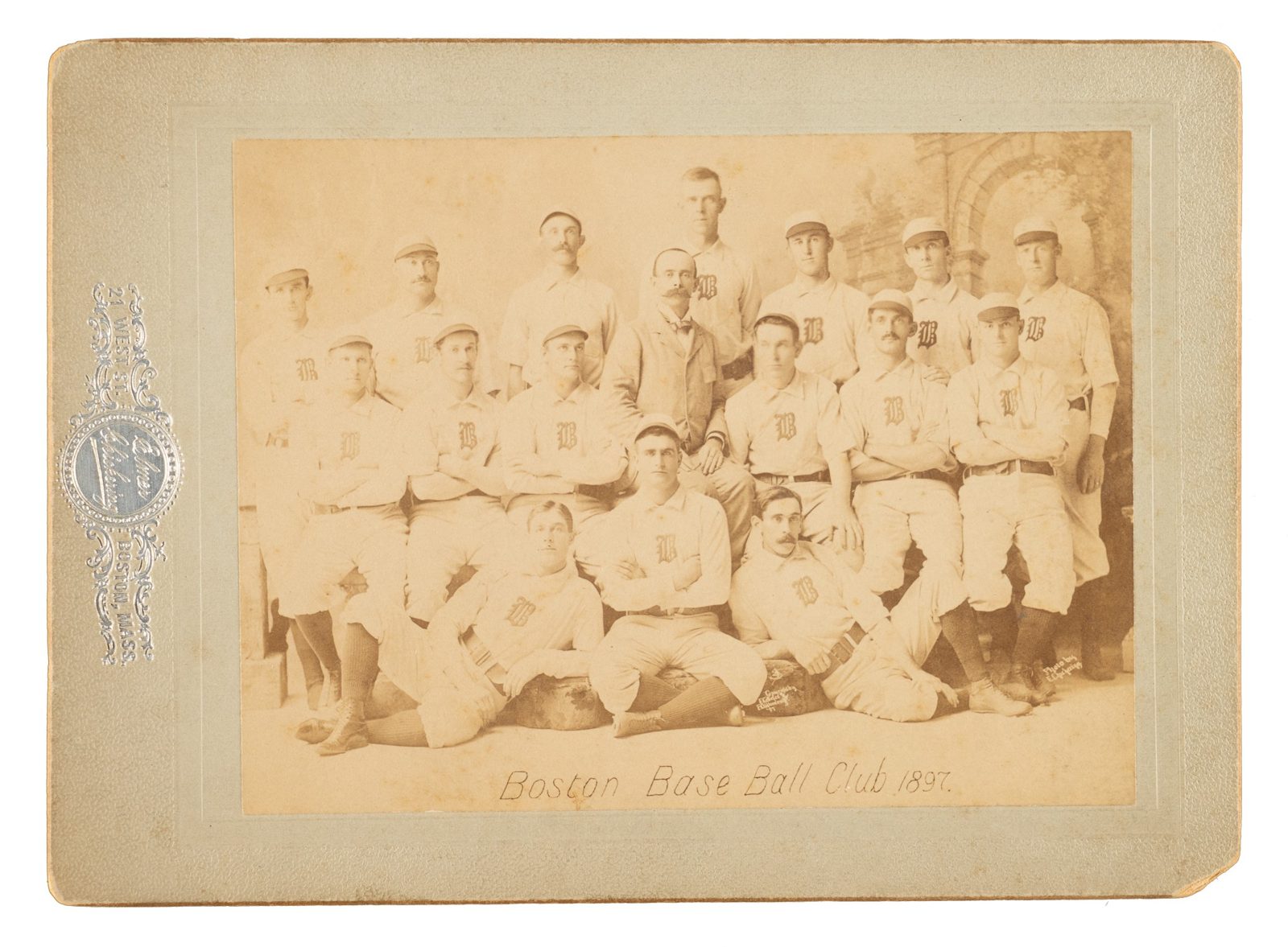
Frank Selee
Boston Beaneaters
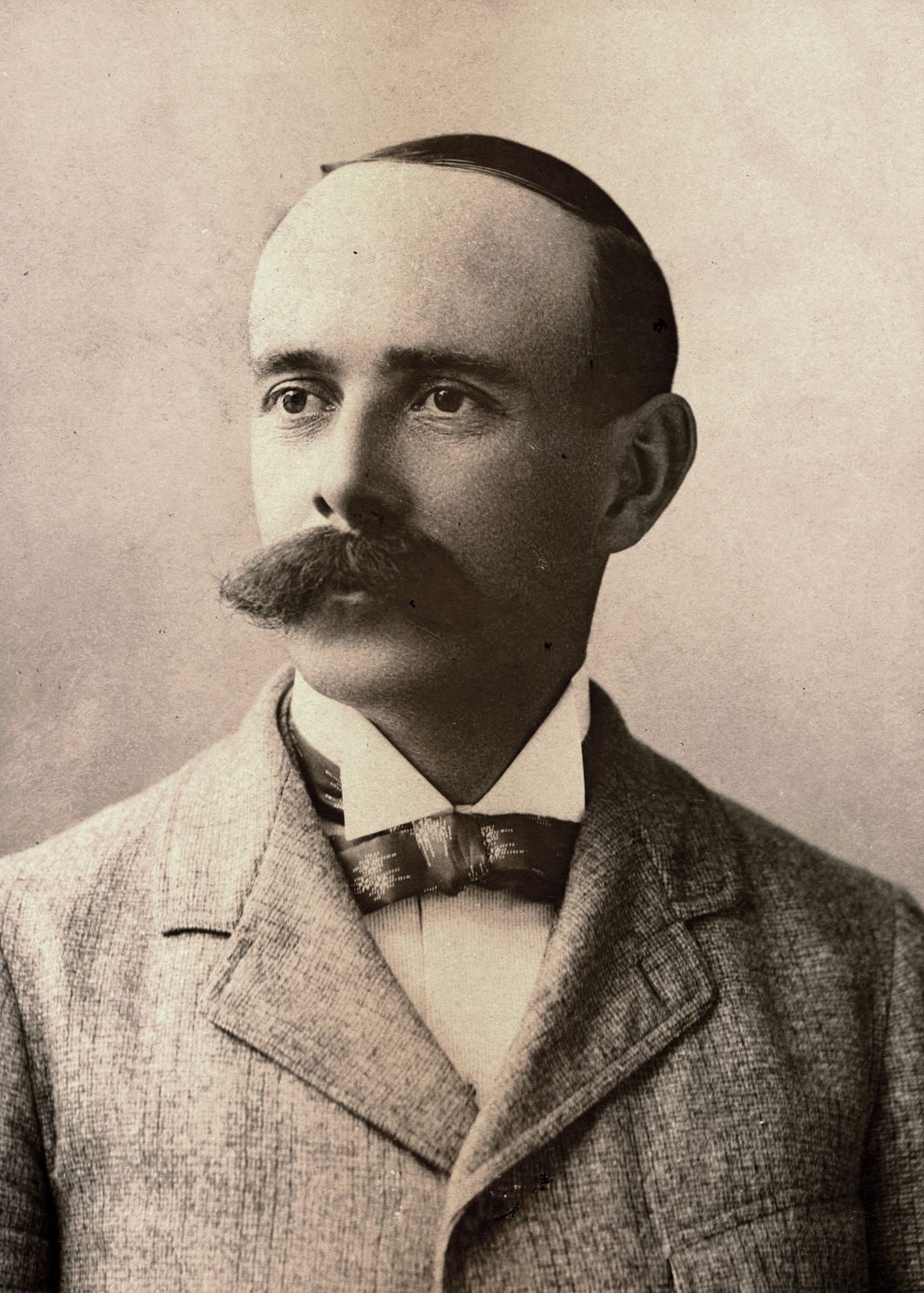
Frank Selee’s Boston clubs represent the first fully integrated structural equilibrium under the 60’6” geometry.
Selee did not attempt to overpower the new environment. He stabilized it.
His framework consisted of four aligned components:
1. Contact-Stable Pitching
Kid Nichols exemplified durability, walk suppression, and controlled contact. In an era where proximity dominance faded, stability of innings and contact management became central.
2. Defensive Conversion Architecture
Increased ball-in-play frequency required coordinated range, positioning, and relay structure. Boston’s defense was calibrated to convert the type of contact their pitchers induced.
3. OBP Possession Offense
With Billy Hamilton as a league-leading walk and run producer, Boston emphasized base acquisition over volatility. Time on base created leverage through probability accumulation rather than isolated bursts.
4. Operational Continuity
Selee’s managerial stability provided role clarity and systemic coherence across seasons, allowing adaptation to compound rather than reset annually.
This is induced order.
Time expanded → volatility rose → Selee compressed variance through integration.
The goal was not spectacle. It was predictability.
Boston’s system functioned as a shock absorber. It reduced entropy in a widened field.
II. Induced Chaos Through Disruption
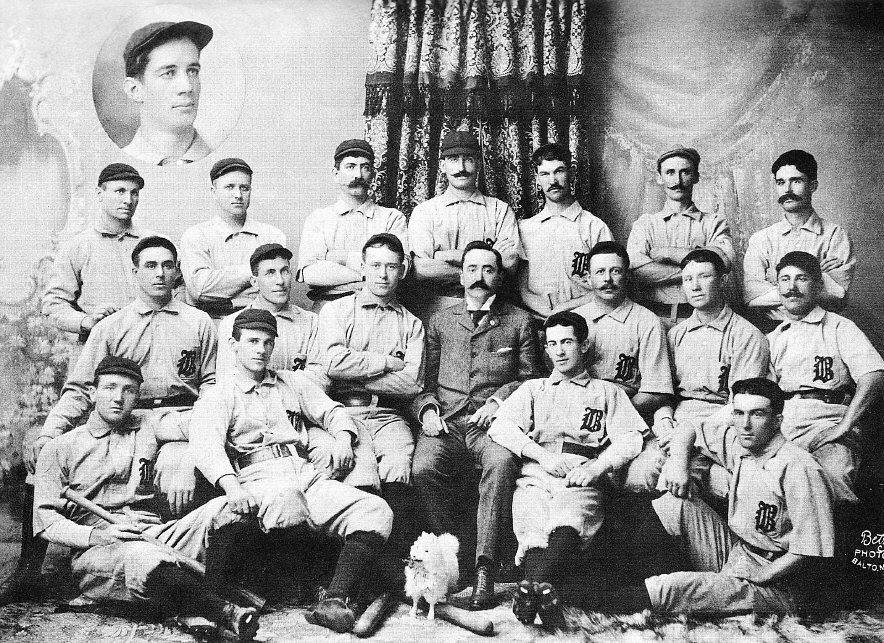
Ned Hanlon
Baltimore Orioles
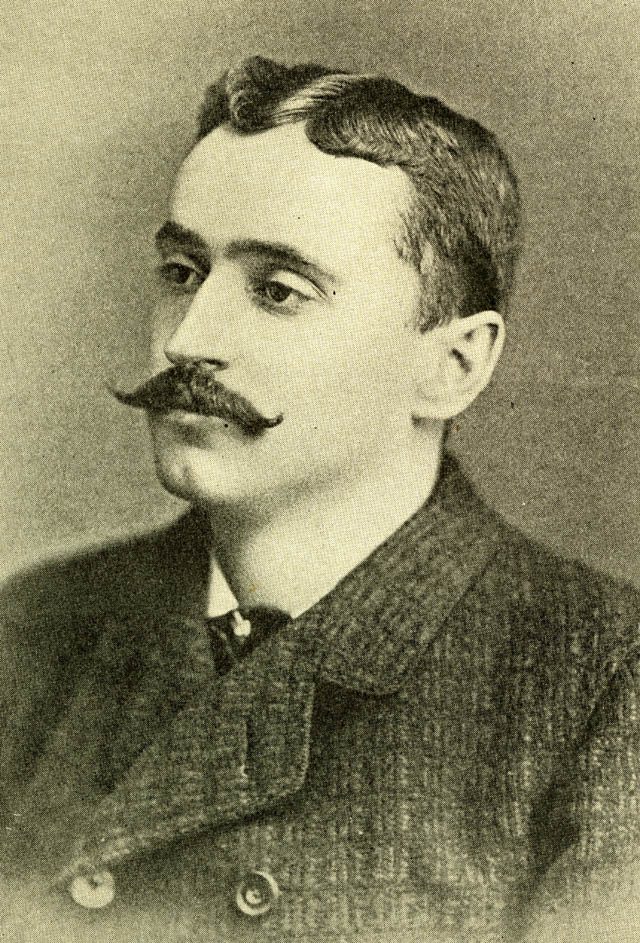
Ned Hanlon recognized the same temporal expansion. His solution was opposite.
Rather than compress volatility, he amplified it.
Hanlon’s Orioles weaponized the widened reaction window:
Aggressive baserunning
Hit-and-run orchestration
Defensive repositioning
Inning fragmentation
Tactical pressure
Where Selee sought repeatability, Hanlon sought destabilization.
Time expanded → unpredictability increased → Hanlon induced further instability to overwhelm opponents.
This is induced chaos.
His equilibrium was dynamic rather than mechanical. He did not seek to restore prior order. He exploited the rupture.
III. The Paradigm Opening
The 1893 change created a paradigm opening.
A structural rule shift exposed the underlying temporal architecture of the game. Once exposed, organizations were forced to choose how to inhabit the new environment.
The rupture revealed that:
Fielding efficiency now determined ceilings.
Walk discipline became structural leverage.
Pitching durability stabilized systems.
Managerial coherence dictated sustainability.
The game’s foundations were laid bare.
Baseball became self-conscious.
IV. Binary Strategies of Expanded Time
After 60’6”, two viable modes of modern baseball emerged:
DimensionSeleeHanlonResponse to time expansionCompress volatilityAmplify volatilityPitchingContact stabilityTactical sequencingDefensePredictable conversionAggressive pressureOffenseOBP accumulationConstant disruptionEntropy strategyReduceWeaponizeSystem typeMechanical equilibriumDynamic turbulence
Both are adaptive.
Both are modern.
They differ not in talent, but in philosophy of time management.
V. Absolute Sum
The pitching distance expansion was not important because it increased scoring.
It was important because it ruptured baseball’s spatial paradigm and exposed its temporal foundation.
From that exposure emerged two architectural responses:
Induced order through structural integration.
Induced chaos through tactical destabilization.
Selee and Hanlon stand as the first systemic thinkers operating within expanded time.
Modern baseball begins not with the rule change itself, but with the first organizations that consciously engineered their structures around its consequences.
The 60’6” move did not merely alter distance.
It forced baseball to confront what it fundamentally is:
a system of timed interactions requiring organizational design.
That is the historical and architectural significance of the rupture.