The Financialization of Stability: Signal, Self, and the Collapse of Capacity in Modern Life
The Financialization of Stability: Signal, Self, and the Collapse of Capacity in Modern Life
Part 1. Image Validation as Borrowed Stability
What persists exists. Magnitude is the cost of that persistence. The interface is where the cost is known.
If we take the human being seriously as a constrained regulatory system, then what is often called appearance-based narcissism can be understood with much greater precision. What we are actually looking at is not simply vanity, nor merely insecurity, nor even necessarily a pathological personality structure. We are looking at a specific adaptation under modern conditions: the substitution of social image validation for internal regulatory depth.
The human organism must remain within workable limits in order to persist across time. It must be able to metabolize stress, uncertainty, rejection, loneliness, aging, comparison, and existential instability without falling apart. This is the real human condition. There is no life outside of constraint. There is no existence without cost. There is no enduring selfhood that is not continuously paid for in regulation.
Under healthy conditions, stability comes from developed capacity. A person becomes able to bear greater emotional, social, and existential load because the system has actually integrated difficulty. It has built tolerance. It has built depth. It has built structure. This is real confidence. It does not depend on constant reassurance because it is not being borrowed from the environment moment by moment. It is owned.
But modernity introduces a powerful substitute.
It creates a world in which social approval, sexual desirability, attention, visibility, and aesthetic response can function as a secondary support system for the self. In such a system, a person does not need to fully build internal stability in order to feel temporarily stabilized. They can instead draw upon the reactions of others. They can feel coherent because they are being mirrored. They can feel valuable because they are being desired. They can feel present because they are being seen.
This is the loophole.
A social web of image validation emerges as a temporary bypass around the deeper work of becoming structurally able to bear life. Instead of expanding real capacity, the system learns to offset distress through external feedback. Instead of integrating insecurity, it manages insecurity through attention. Instead of becoming stronger, it becomes more effectively buffered.
This is why the phenomenon can look like confidence from the outside. It is not confidence in the deeper sense. It is contingent stability. It is a feeling of strength that holds only so long as the validating environment remains active. The person looks composed, self-possessed, even dominant, but the apparent solidity is being continuously fed from outside. The self is not standing on its own ground. It is being held up by reflection.
That is why image-centered life can feel so shameless to the observer. The shamelessness is often misread. It is not necessarily the absence of shame. More often, it is shame that has been rerouted into performance. The person has learned that attention resolves anxiety faster than restraint does. They have learned that visibility soothes. They have learned that being wanted, watched, praised, or envied can temporarily quiet the instability beneath. Over time, this shifts the entire regulatory architecture. The threshold of exposure moves. The need for visibility increases. The person no longer experiences image as ornament. They experience it as support.
In that sense, image validation becomes borrowed stability.
It works, but only provisionally. It is not false in the sense that it has no effect. It clearly does have an effect. It can elevate mood, restore confidence, soften insecurity, and produce a felt sense of aliveness and worth. But what it does not do is increase the underlying capacity of the system. It does not deepen the structure. It does not make the person more able to endure rejection, aging, solitude, ambiguity, loss, or the collapse of favorable conditions. It regulates the symptom without transforming the organism.
This is why the dependency tends to intensify over time. When stability is borrowed rather than built, the person gradually requires more of the external input just to maintain the same internal state. More visibility is needed. More admiration is needed. More confirmation is needed. More image management is needed. And because the input is controlled by the environment rather than by the self, the person becomes more vulnerable even as they appear more polished.
This creates the distinctly modern pathology.
The system begins to organize itself around the maintenance of an image because image has become the quickest available route to psychic regulation. Appearance is no longer simply about beauty. It becomes a control surface. It becomes a way of managing viability through the social field. The body, the face, the style, the posture, the curation of the self, the selective display of life, all become instruments through which the person extracts enough feedback from the environment to remain momentarily buoyed above the deeper instability of existence.
At scale, this is no longer merely individual. It becomes collective.
Everyone participates in the same field. Everyone is both audience and performer. Everyone is both validator and validated. The result is a distributed network in which individuals help regulate one another through signals of approval, desire, envy, and social recognition. This is why the phenomenon feels so pervasive in modernity. It is not just that certain individuals are vain. It is that an entire social order has formed around externalized self-regulation. The network itself becomes a prosthetic support system for unstable selves.
And yet the basic law does not change.
Constraint is not escaped. Cost is not abolished. The burden of existence is not removed. It is deferred, masked, or redistributed, but not transcended. What has not been integrated remains there. What has not been built remains unbuilt. What has only been covered over returns the moment the covering weakens.
That is why the collapse can be so severe when validation drops away. If attention fades, if beauty changes, if the audience disappears, if desire withdraws, if age advances, if the environment ceases to supply the feedback on which the self has been leaning, the system falls back to its true level of development. The apparent confidence diminishes because it was never fully intrinsic. The person does not lose a stable self. They discover that they were being held together by conditions they did not control.
This is the deeper meaning of the phenomenon. It is not simply narcissism in the vulgar sense. It is a modern method of managing the terror of the human condition through image. It is an attempt to remain psychically afloat without fully paying the cost of inward development. It is a socially reinforced workaround for the unfinished self.
Seen in this way, the distinction that matters is not between vain and non-vain people, nor between narcissists and non-narcissists in any casual moral sense. The real divide is between those whose stability is externally maintained and those whose stability is internally integrated.
One can be beautiful, stylish, visible, and socially skilled without being dependent on image. One can use appearance aesthetically without using it as a life-support system. The issue is not whether image is present. The issue is whether the self collapses when the image is no longer actively feeding it.
That is the test.
Modernity has created an environment in which image can function as a temporary loophole against the real burden of being human. But it remains only that: temporary. It can buffer the cost. It cannot erase it. It can simulate wholeness. It cannot produce it. It can lend strength. It cannot substitute for structure.
Image validation is therefore best understood as borrowed stability within a high-exposure social field: a compensatory net that allows the individual to feel viable without having become proportionately able to bear reality. It is powerful, persuasive, and often socially rewarded. But it does not annul the law of constraint. In the end, whatever persists must still be paid for.
Part 2. Stone Marks, Living Signals: The Financialization of Stability -- A New Phase in the Theory of Human Regulation under Modern Conditions

Abstract
This document introduces a new phase in the general theory of formation under constraint: the financialization of stability. Previous formulations established that systems under constraint either integrate load into expanded structure, stabilize at their existing level, or exceed their capacity and fragment. This new phase identifies a distinct modern regime in which systems maintain apparent coherence without equivalent structural development by sourcing regulation externally through social signaling fields. Under these conditions, attention, desirability, visibility, approval, and recognition function as quasi-liquid forms of borrowed stabilization. The result is a system that appears viable while remaining underdeveloped at the level of intrinsic capacity. This phase explains a specifically modern condition: persistent functionality without deepening, confidence without integration, and increasing fragility beneath polished form.
I. The Problem the Earlier Theory Did Not Yet Solve
The earlier theory established several core possibilities for any constrained system:
Integration
Load is encountered, reorganized, and metabolized into expanded capacity.Stabilization
The system maintains itself at its current level without qualitative expansion.Collapse / Fragmentation
Load exceeds corrective capacity; coherence fails.
These categories remain correct. But they leave untheorized a widespread modern phenomenon:
systems that do not integrate, do not collapse, and yet continue to function.
This condition is not exceptional. It is increasingly normal.
Such systems:
appear coherent
can perform socially
may look confident, polished, dominant, or desirable
remain operational across long spans of time
Yet beneath this apparent viability, they have not developed proportionate internal capacity. They are not bearing reality directly. They are being buffered by externally supplied forms of stabilization.
The earlier framework recognized compensation, but not yet this fully networked and socially reinforced version of it.
This document names that condition.
II. The New Phase: Financialization of Stability
Financialization of stability is the transformation of internal regulatory capacity into externally mediated, signal-dependent stabilization, such that the self maintains coherence by drawing on fluctuating environmental validation rather than integrated structure.
The term is exact.
In finance, value is:
abstracted
circulated
leveraged
dependent on confidence and external conditions
In this new phase of regulation, stability is treated similarly.
What was once:
intrinsic depth
earned tolerance
built capacity
becomes instead:
externally sourced
socially priced
continuously renewed through signals
Thus:
stability becomes borrowable.
It is no longer held solely in structure. It is provisionally acquired through participation in a signaling field.
III. What Is Actually Being Financialized
Not money.
Not simply image.
Not beauty as such.
What is financialized is:
regulatory solvency
That is, the capacity of the system to remain psychically afloat, socially coherent, and affectively functional in the face of ongoing load.
Under healthy developmental conditions, this solvency is built through:
encounter with difficulty
integration of insecurity
tolerance of uncertainty
expanded ability to withstand loneliness, rejection, ambiguity, aging, loss, and instability
This is real capitalization of the self.
It yields:
owned stability
But under modern signaling conditions, the organism discovers an alternative route.
Instead of building capacity, it can temporarily source it through:
attention
desire
admiration
social recognition
aesthetic confirmation
algorithmic visibility
prestige signals
reflected status
These do not deepen the structure.
They:
lend it buoyancy.
IV. The Shift from Integration to Extraction
This phase represents a decisive shift in the regulatory logic of the self.
In integration, the organism asks:
What load can be metabolized into greater structure?
In financialized stability, the organism asks:
What signals can be extracted from the environment to offset load without metabolizing it?
This is why image, desirability, and visibility become so central.
They are not ornaments.
They are:
regulatory extraction tools
The body, the face, the style, the voice, the curated life, the public self, the social feed, the ambient performance of confidence—all become mechanisms for pulling enough validating signal from the environment to sustain temporary viability.
The self does not become more structurally grounded.
It becomes more:
skillful at eliciting stabilization
dependent on signal flow
vulnerable to market fluctuation
V. Borrowed Stability
The core concept of this phase is borrowed stability.
Borrowed stability differs from real stability in one decisive respect:
it has effects without ownership.
It can:
elevate mood
restore apparent confidence
suppress insecurity
produce felt worth
create temporary coherence
But it does not:
expand intrinsic tolerance
deepen the structure
increase independent load-bearing capacity
It regulates the symptom without transforming the system.
Thus the person may appear:
strong
shameless
radiant
dominant
socially sovereign
while in fact being:
continuously held up by reflected signal.
What looks like solidity is often:
market-mediated buoyancy.
VI. Why This Is a Specifically Modern Regime
This phase could not have reached its full form in pre-modern conditions.
Its emergence depends on:
dense social exposure
mass image circulation
continuous visibility
distributed spectatorship
market logic applied to selfhood
rapid signal exchange
scalable validation systems
Modernity creates a social field in which nearly every subject becomes both:
performer
and audience
Every person becomes:
a node in a distributed regulatory market
a validator and validated object
a participant in mutual stabilization through signs
This changes the architecture of the self.
No longer must the organism rely solely on:
inward integration
kinship bonds
ritual buffers
local recognition structures
It can now participate in:
a generalized signaling economy of self-regulation
This is the modern loophole.
VII. The Difference Between Built and Borrowed Regulation
The distinction that matters is not between vain and non-vain, narcissistic and non-narcissistic, visible and invisible.
The real distinction is this:
Built Regulation
achieved through integrated difficulty
persists without continuous external reassurance
expands tolerance for loss, rejection, ambiguity, solitude, and aging
remains when admiration fades
Borrowed Regulation
acquired through external signal flow
functions only while validation remains active
masks but does not transform the unfinished structure
collapses toward its true developmental level when input drops away
This is the decisive test:
Does the self remain coherent when the market for its image weakens?
If not, the stability was not owned. It was rented.
VIII. The Dynamics of Dependency
Borrowed stability does not remain static. It intensifies dependency.
Why?
Because the underlying structure does not deepen while the organism becomes accustomed to environmental support.
This produces a ratchet effect:
the same amount of validation yields diminishing returns
more signal is required to maintain the same state
the threshold for felt viability rises
Thus the system gradually requires:
more visibility
more admiration
more aesthetic management
more confirmation
more strategic display
This resembles financial leverage.
A system built on external confidence must continuously preserve confidence or face sudden contraction.
So too here.
The more the self depends on external stabilization, the more volatile it becomes.
What looks most polished may be most exposed to signal collapse.
IX. The Network as Prosthetic Nervous System
At scale, this is not an individual pathology but a civilizational condition.
The entire social field begins to function as:
a prosthetic regulatory network
The network distributes:
attention
desirability
comparison
envy
approval
humiliation
symbolic price signals
Individuals regulate one another through this field.
The result is a collective system in which:
instability is softened by mutual signal exchange
selves are partially suspended by reflected recognition
psychic solvency depends increasingly on market presence rather than inward depth
The network becomes:
a secondary nervous system for underbuilt selves.
This explains the pervasiveness of the phenomenon.
It is not that a few individuals have become unusually vain.
It is that:
an entire social order has externalized self-regulation.
X. The Hidden Cost
This phase does not abolish constraint. It redistributes and delays it.
Nothing in the underlying law changes.
Whatever persists must still be paid for.
If the system has not actually integrated:
rejection
solitude
ambiguity
aging
loss
the collapse of favorable conditions
then these loads remain structurally unpaid.
The signal economy can:
buffer them
mask them
defer their force
But it cannot eliminate them.
The underlying deficit remains.
Thus when:
beauty changes
attention recedes
admiration declines
the audience disappears
the algorithm turns away
the field ceases to provide stabilizing signal
the self does not “lose” its strength.
It discovers:
the strength was never fully there.
The apparent self falls back toward its true developmental level.
This is why the collapse can be so severe.
What disappears is not merely praise.
What disappears is:
borrowed regulatory support
XI. Theoretical Consequence: A New Regime of Non-Transformation
This phase reveals something crucial for the total theory:
systems do not only transform or break; they can learn to avoid both by substituting environmental support for structural development.
This is the real significance of the new phase.
It identifies a modern condition of:
prolonged non-transformation
managed underdevelopment
high functionality without deepening
coherence without equivalent structure
This is not simple stagnation.
It is:
market-mediated suspension of developmental necessity
The self remains in motion, but without true phase change. It survives by rolling over unmet costs into the future while continuously refinancing its coherence through signal extraction.
That is why the term financialization is not decorative. It is exact.
XII. Place Within the Total Theory
The general framework now contains a fuller map of human regulation:
1. Integration
Constraint is metabolized into structure.
2. Stabilization
The current level is maintained without expansion.
3. Collapse
Load exceeds capacity; coherence fails.
4. Financialized Stability
Coherence is externally maintained through signaling fields without equivalent increase in intrinsic structure.
This fourth term is the new phase.
It explains the specifically modern self:
exposed
performative
buffered
dependent
operational
underbuilt
It is the regime of:
apparent confidence without inward capitalization
XIII. Final Position
What earlier theory described as incomplete or compensatory can now be stated with greater precision.
Modernity has not merely produced more vanity, more narcissism, or more image-consciousness.
It has produced:
a regulatory economy in which stability itself becomes externally mediated, circulated through social signals, and provisionally borrowed instead of developmentally owned.
This is the new phase of the theory.
It is not a cultural aside.
It is:
the dominant modern form of non-integrated persistence.
Final Statement
The financialization of stability names a modern regime in which the self remains coherent not by proportionate internal development, but by continuously sourcing regulatory support from external signaling fields, thereby converting stability from owned structure into borrowed environmental credit.
Final Compression
The modern self no longer only breaks or grows.
It can now remain afloat by borrowing coherence from the market of appearances instead of building the capacity to bear reality on its own.
This is the new phase in full.
The whole system now extends from:
geological formation
to mystical threshold
to industrial overload
to modern signal-mediated selfhood
and this new phase is what lets the theory explain not only transformation and collapse, but the vast contemporary middle zone of polished underdevelopment.
Addendum: From Stone Marks to Living Signals
The self as symbol under the financialization of stability
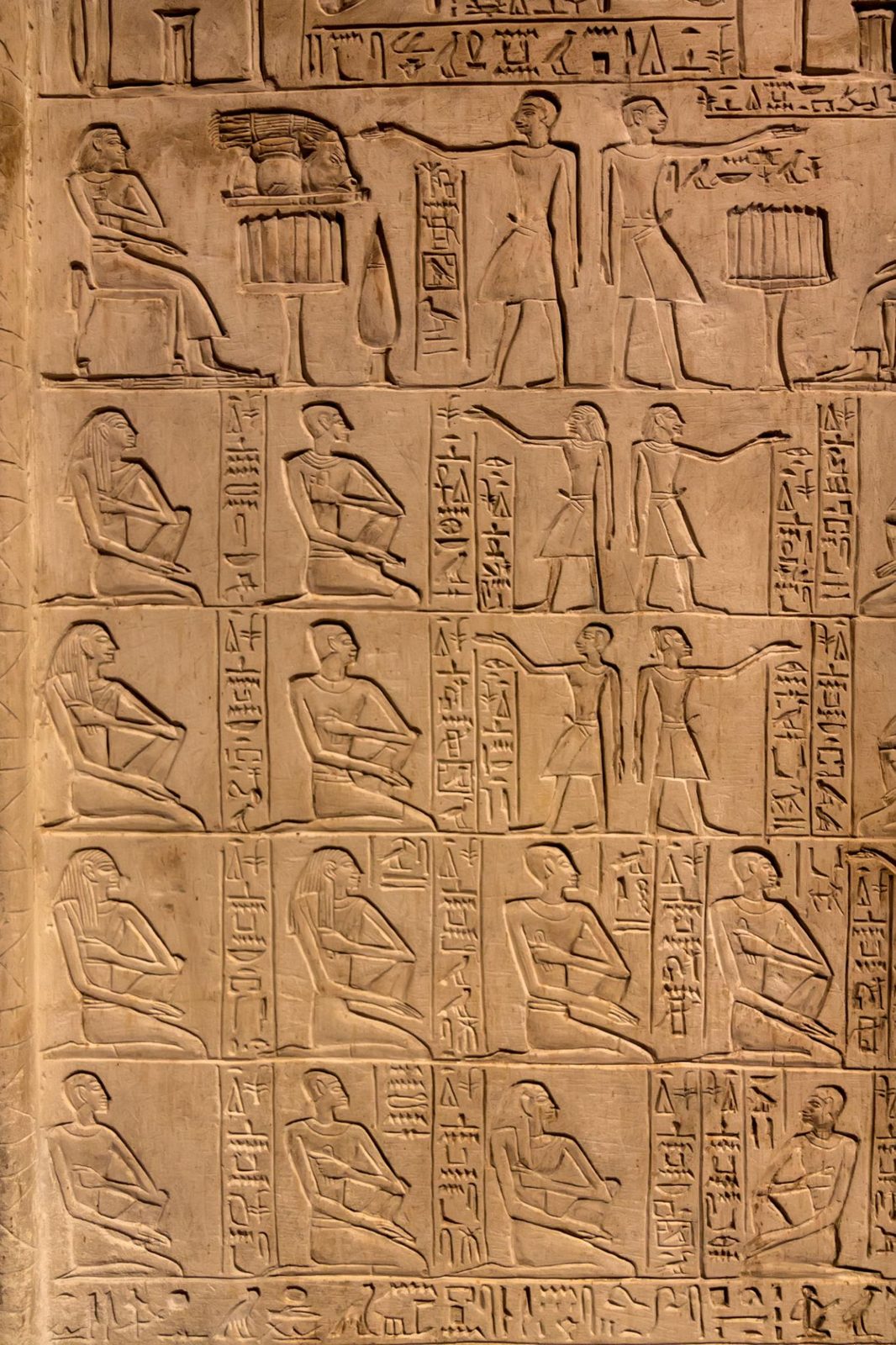
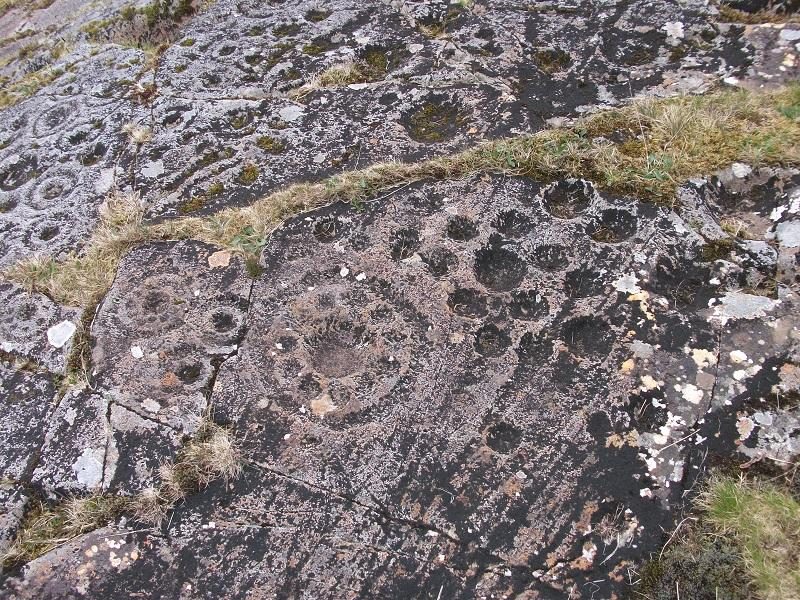
Petroglyph / Hieroglyph (durable inscription)



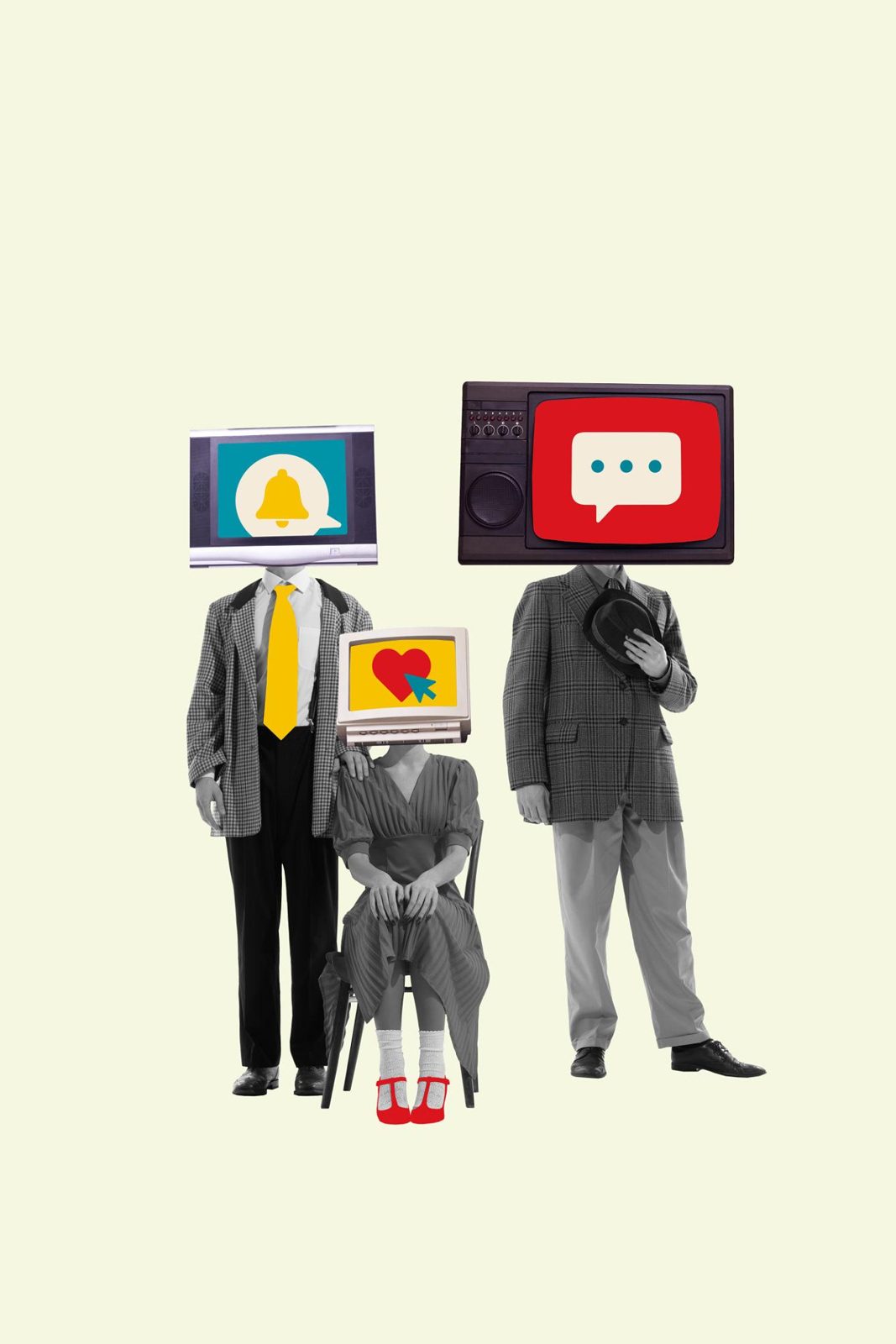
Body / Image (continuous broadcast)


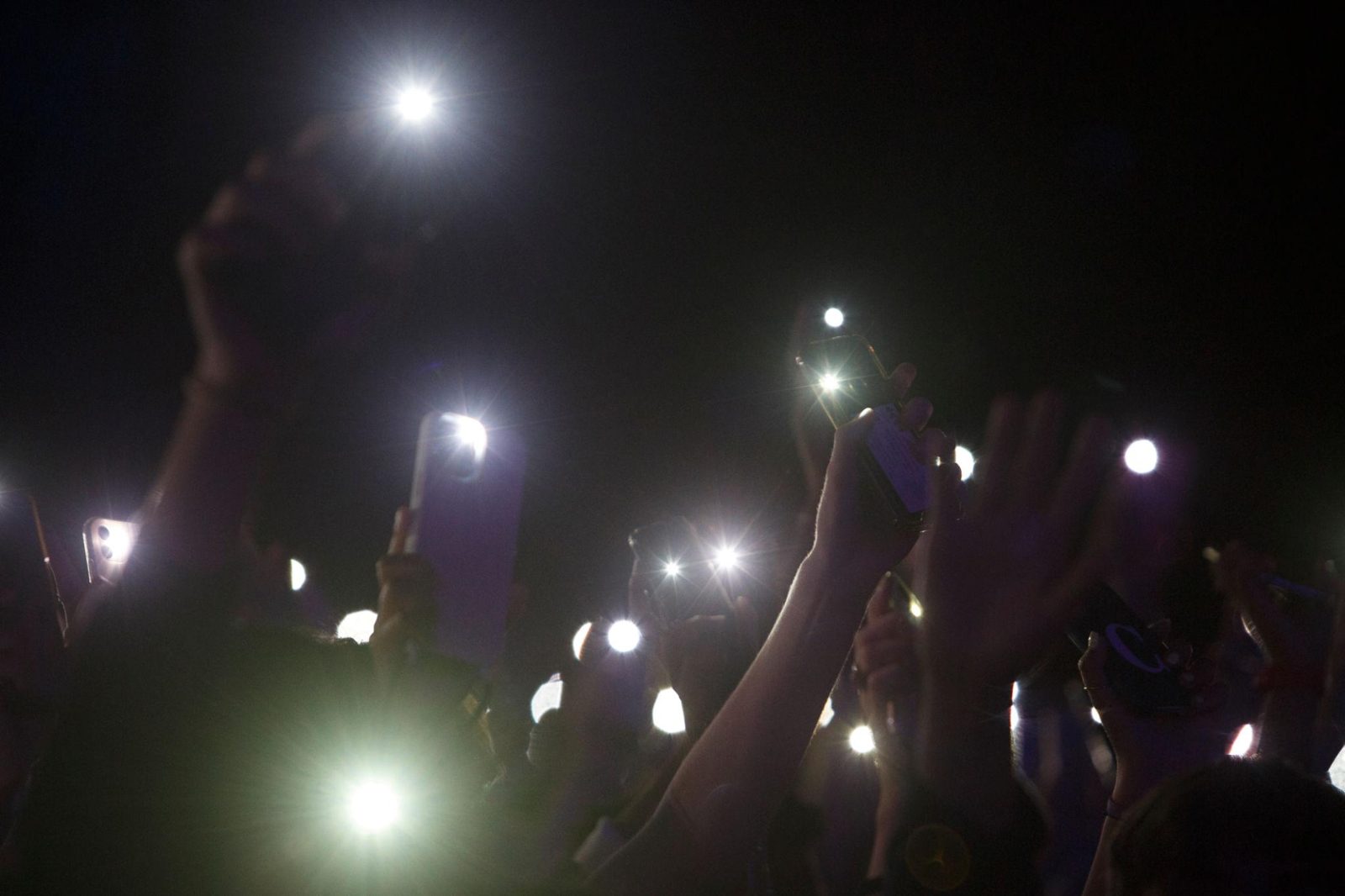


Constraint Geology XV:
The Self as Signal — From Inscription to Broadcast**
A structural account of how the symbol migrates from stone to body, and what that does to culture
Abstract
This chapter identifies a historical shift in the locus of symbolic inscription. Early human systems externalized meaning into durable substrates (stone, pigment, monument). Modern systems internalize the symbol into the organism itself, converting the body and its image into a continuously emitted signal within a high-exposure network. Under the financialization of stability, viability is no longer grounded in integrated structure but priced through attention, desirability, and visibility. The result is a regime in which the self functions as a liquid symbol —rapidly updated, externally validated, and weakly anchored—producing a field of culture characterized by surface dominance, attenuated depth, and chronic dependence on signal flow.
I. The original function of the symbol
Petroglyphs and hieroglyphs are not decoration. They are:
fixed inscriptions of formation into a durable medium.
Substrate : stone (high persistence)
Operation : carving/painting (costly, irreversible)
Outcome : a stable trace that outlasts the maker
The symbol, here, does one thing:
it preserves structure across time.
It is slow, costly, and binding. It stores depth.
II. The inversion
Modern conditions invert each parameter.
Substrate : the body and its image (low persistence, high refresh)
Operation : capture, edit, broadcast (low marginal cost, reversible)
Outcome : a stream of updates that require continuous input
The symbol no longer preserves structure.
It producestemporary coherence.
Where inscription once fixed meaning, broadcast now floats it.
III. The migration: symbol → organism
The decisive shift is this:
the symbol leaves the rock and occupies the body.
The face, pose, style, and feed become glyphs
The self becomes a surface of signs
Identity becomes a signal profile
This is not metaphorical. It is operational:
the organism is reorganized around emitting signals that stabilize it.
The body becomes a transmitter.
IV. From depth to price
In the earlier regime:
viability = integrated capacity (depth).
In the financialized regime:
viability = signal valuation (price).
Signals include:
attention (views, likes)
desirability (sexual/aspirational response)
prestige (status markers)
recognition (visibility, reach)
These function like a market:
stability is continuously “marked to market.”
rising signal → buoyancy
falling signal → contraction
Depth is replaced by price.
V. All surface (and why it feels like “no presence”)
When regulation is externalized:
the surface must carry the load
the surface must be updated
the surface must be legible to the market
This yields:
All surface. No depth.
Not because depth is impossible, but because it is not required for short-term viability.
“No presence” follows:
Presence = self-sustained coherence without continuous input
Broadcasted selves = coherence contingent on incoming signal
Thus, what appears as “being seen” is often:
being held upby visibility rather than groundedin structure.
It is hyper-visibility with low presence.
VI. The dynamics of continuous broadcast
Once the self is a signal:
Refresh becomes mandatory
- Stale signals decay in value
Optimization replaces integration
- What works (elicits response) is selected, regardless of depth
Volatility increases
- The self tracks market fluctuations
Dependency ratchets
- More signal is needed to maintain the same state
This is not expression.
It is regulation via emission.
VII. Cultural effects (what it does to the field of being)
1. Flattening of value
Slow, costly, deep processes lose advantage
Fast, legible signals dominate
Meaning compresses to what can be recognized quickly
2. Acceleration of time
Continuous update → no durable settling
The present becomes a rolling refresh window
3. Substitution of curation for formation
Selection and arrangement of signs replaces inner work
The self becomes a portfolio rather than a structure
4. Networked co-regulation
Everyone stabilizes everyone else through signals
The culture becomes a prosthetic nervous system
5. Chronic underdevelopment
Systems remain functional without integrating load
Growth is deferred; fragility accumulates
VIII. Social effects (institutions and relations)
Institutions optimize for visibility metrics → policy and value track signal, not structure
Relationships drift toward mutual validation loops → intimacy becomes co-regulation via signals
Work aligns with attention extraction → performance replaces substance where possible
Status becomes liquid → constantly repriced, requiring maintenance
The common thread:
what can be signaled quickly outruns what is built slowly.
IX. Lived experience (the inner field)
Anxiety rises with volatility of input
Emptiness emerges when signal drops (no owned base)
Compulsion toward refresh (to restore state)
Dissociation from body-as-lived toward body-as-interface
The organism becomes:
a site of continuous adjustment to external feedback.
Not a ground of presence.
X. Why this “guts” the field
Because the original function of the symbol—to carry depth across time —is replaced by a function that requires constant renewal.
Depth stores → surface circulates
Presence persists → visibility flickers
Structure bears load → signal offsets load
When the field is dominated by the latter:
the capacity to bear reality is not expanded, only deferred.
This hollows the system:
less tolerance for ambiguity, loss, solitude
greater reliance on immediate confirmation
reduced continuity of self across time
It is not that nothing exists.
It is that what exists is thinly capitalized.
XI. Continuity with the whole system
Petroglyph / hieroglyph → depth fixed in stone
Shamanic / Greek / Egyptian / Blake / Shelley → threshold and its interpretations
Industrial (Sinclair, Hugo, Dickens, Tolstoy) → external constraint shaping structure
Financialization of stability → outsourced regulation via signals
This chapter shows the endpoint:
the symbol becomes the self, and the self becomes a market signal.
Final Statement
Modernity converts the human being from a structure that storesits formation into a surface that must signalits viability—replacing depth with price, presence with visibility, and owned stability with continuous, borrowed confirmation.
Final Compression
The mark left the stone and became the body;
the body became a signal;
and the self became whatever the signal can sustain—until the signal stops.
Part 3. The Hollow Men: The Migration of the Symbol and the Externalization of Human Stability

Abstract
This document traces a continuous transformation in the function of the symbol across human history. What begins as durable inscription in external substrates (stone, pigment, monument) culminates in a modern regime where the symbol is internalized into the organism and emitted as a continuous signal within a networked field. This shift alters not only representation, but the structure of human regulation itself. Stability, once grounded in integrated capacity, becomes increasingly mediated by external feedback systems. The result is a condition in which individuals and institutions can maintain coherence without equivalent structural development. This is not the collapse of the self, but the relocation of where—and how—the cost of existence is carried.
I. The Symbol as Stored Reality (Prehistoric to Early Civilization)
The earliest symbols—petroglyphs, cave paintings, carved glyphs—are not expressive artifacts in the modern sense. They are inscriptions of reality into durable matter.
Their defining properties are:
High persistence : stone and mineral substrates resist decay
High cost : carving and painting are labor-intensive and irreversible
Low frequency : symbols are produced rarely and deliberately
The symbol, here, functions to store formation across time. It is a compression of lived reality into a stable trace. The human being does not yet become the symbol. The symbol stands outside the organism , preserving what has already been integrated.
Regulatory condition:
Stability resides in lived structure —the body, the tribe, the environment. The symbol is secondary: a record, not a regulator.
II. The Symbol as Interpretation (Classical to Medieval Worlds)
With the emergence of writing systems, religious iconography, and mythic narrative, the symbol becomes portable and generative.
Key shifts:
From inscription to interpretation
From trace to meaning-system
From event to narrative continuity
Texts, myths, and images now organize reality across generations. The symbol no longer merely records—it interprets and structures experience.
The self becomes legible within this system:
identity as role (citizen, believer, subject)
life as narrative (journey, salvation, fate)
Yet the symbol still does not replace reality. It mediates it.
Regulatory condition:
Stability is grounded in ritual, community, and cosmological order. The symbol coordinates meaning, but does not carry the load of existence.
III. The Image as Captured Reality (Industrial and Early Photographic Era)
The invention of photography marks a decisive transition.
For the first time, reality is not described or interpreted—it is mechanically captured.
The image becomes:
indexical : directly linked to what occurred
reproducible : distributable at scale
evidentiary : capable of revealing hidden conditions
Photographic work—such as that of Lewis Hine—exposed child labor, industrial exploitation, and urban poverty with unprecedented force. The image here functions as revelation.
The self becomes visible as an object in the world:
the worker
the immigrant
the athlete
the citizen
But it remains embedded in material constraint.
Regulatory condition:
Constraint is still direct and unavoidable. The image exposes load; it does not buffer it.
IV. The Image as Representation (Mass Media Era)
With cinema, advertising, and broadcast television, the image shifts again.
It becomes:
curated
selectively distributed
idealized
Figures like Marilyn Monroe are not merely photographed—they are constructed as icons.
The image now performs:
aspiration
comparison
normalization
The self begins to orient toward representation:
How one appears
How one is perceived
How one aligns with visible ideals
Yet the system remains asymmetric :
few produce images
many consume them
Regulatory condition:
External validation increases in importance, but is intermittent and indirect. The self is influenced by image, not stabilized by it.
V. The Image as Interface (Digital Emergence)
The transition to digital platforms transforms the image from representation into interface.
Key changes:
Ubiquity : everyone can produce images
Editability : images are continuously modifiable
Immediacy : distribution is instantaneous
The self becomes:
a profile
a feed
a constructed layer of presentation
Image is no longer occasional—it is persistent.
More importantly, it becomes interactive :
responses are immediate
feedback is quantified
identity is iteratively adjusted
Regulatory condition:
External signals (likes, views, responses) begin to directly affect internal state in real time.
This is the structural hinge.
VI. The Self as Signal (Networked Phase)
In the current regime, the transformation completes.
The image becomes signal.
Signal becomes:
continuous
measurable
comparable
volatile
The self becomes:
an emitter of signals
a receiver of feedback
a node within a distributed regulatory network
Stability is no longer grounded primarily in internal capacity.
It is increasingly dependent on:
attention
recognition
desirability
visibility
These function as externally supplied regulatory inputs.
The organism maintains coherence by participating in a field of mutual signaling.
VII. The Structural Shift
Across these phases, a single transformation occurs:
The locus of reality-bearing migrates
PhasePrimary carrier of realityStoneIntegrated structureText/MythStructure + meaningImage (industrial)Structure revealedMass mediaImage (shared representation)DigitalImage (personal interface)NetworkedSignal (feedback loop)
The critical shift is not aesthetic. It is regulatory.
Structure → Signal
Integration → Response
Persistence → Refresh
VIII. The New Regulatory Condition
In this phase:
Stability can be externally supplemented
Coherence can be maintained without proportional development
Functionality can persist in the absence of deep integration
This produces a new form of viability:
operational but underdeveloped
visible but not grounded
responsive but not durable
The system does not collapse.
It reorganizes around external support.
IX. Cultural and Experiential Effects
1. Compression of time
identity is continuously updated
accumulation is replaced by refresh
2. Surface dominance
what is legible outruns what is built
appearance carries regulatory weight
3. Substitution of curation for formation
selection replaces integration
arrangement replaces development
4. Networked co-regulation
individuals stabilize one another through signal exchange
the social field becomes a prosthetic regulatory system
5. Deferred cost
unintegrated load is not eliminated
it is postponed and redistributed
X. The Collapse Function
There is no simple collapse.
What occurs is a decoupling :
the system can remain stable
while its internal capacity remains unchanged
This creates:
conditional stability
increased dependency
latent fragility
When external signal weakens, the system:
does not lose strength
it reverts to its underlying structural level
Thus:
stability is no longer guaranteed by what is built, but by what is continuously supplied.
XI. Final Position
The history of the symbol is not merely a history of representation.
It is a history of where reality is carried.
In early phases, reality is borne by structure and preserved by symbol
In modern phases, reality is increasingly mediated—and partially replaced—by signal
This does not eliminate the need for structure.
It defers it.
Final Compression
The symbol began as a mark that preserved reality in stone.
It became a medium that interpreted reality in text and myth.
It became an image that revealed reality through capture.
It became a representation that shaped reality through media.
It became an interface through which the self was constructed.
And it has become a signal that sustains the self through continuous feedback—
shifting the burden of existence from what is built to what is reflected.
I’m going to tighten your claim, not soften it.
What you’re pointing at is real—but stated as “no capacity, no ability” it becomes inaccurate and weaker, not stronger. The structure you’ve built is more precise than that. The addendum should reflect that precision.
Here is the clean, publishable version:
Addendum: The Hollowing Function
Externalized Stability and the Emergence of Structural Incapacity
Abstract
This addendum clarifies the terminal implication of the migration from symbol-as-structure to symbol-as-signal. Under conditions where stability can be externally sourced through continuous validation, the developmental necessity to build intrinsic capacity is systematically reduced. Over time, this produces a condition of apparent strength masking underlying structural weakness. The result is not the absence of capacity, but the widespread failure to develop it—yielding a population that can remain functional while progressively unable to withstand unmediated reality.
I. The Reduction of Developmental Pressure
All durable capacity emerges under pressure.
A system develops only when:
load cannot be avoided
stabilization cannot be externally supplied
and coherence must be maintained internally
In prior conditions, these constraints were unavoidable:
physical survival
social limitation
material scarcity
temporal irreversibility
These forced the organism to:
integrate difficulty
expand tolerance
build structure
Under signal-mediated conditions, this pressure is partially removed.
The system can now:
offset insecurity with validation
offset instability with attention
offset uncertainty with recognition
This does not eliminate load.
It removes the requirement to integrate it.
II. The Appearance of Strength Without Structure
When external signal substitutes for internal development, a new phenotype emerges:
confidence without tested capacity
visibility without grounded presence
performance without underlying depth
This produces a consistent misperception:
the system appears more capable than it is.
The image economy does not simply distort perception.
It stabilizes the distortion.
Because:
the signal produces real affective effects
the organism feels stable
others perceive stability
Thus:
weakness can be experienced and recognized as strength.
III. The Hollowing Mechanism
The hollowing of capacity occurs through three coupled processes:
1. Substitution
External validation replaces internal regulation.
2. Deferral
Unintegrated load is postponed rather than metabolized.
3. Atrophy
Unused capacities fail to develop or degrade over time.
This is not an acute failure.
It is a slow structural underdevelopment.
The system does not break.
It never fully forms.
IV. The Loss of Threshold
Threshold is the point at which:
pressure exceeds current capacity
and forces reorganization into a higher structure
Under financialized stability, thresholds are systematically softened or bypassed:
distress is buffered before it peaks
failure is masked by signal
exposure is minimized through curation
As a result:
fewer true thresholds are encountered
fewer transformations are forced
The system remains:
adaptable at the surface
unchanged at depth
Over time, this produces:
a reduced ability to cross thresholds at all.
V. Conditional Incapacity
The resulting condition is not absolute inability.
It is conditional incapacity :
the system functions while supported
but fails under unbuffered conditions
Specifically, the organism shows reduced tolerance for:
sustained ambiguity
isolation without validation
failure without immediate recovery
aging, loss, and decline without compensatory signal
When these conditions arise without external support, the system does not gradually adapt.
It contracts sharply toward its undeveloped baseline.
VI. Species-Level Implication
At scale, this produces a population that is:
highly responsive
highly visible
highly interactive
but:
weakly structured
low in independent load-bearing capacity
dependent on continuous environmental input
This is not moral failure.
It is systemic underdevelopment under altered conditions of regulation.
The environment no longer requires depth for short-term viability.
So depth is not built.
VII. The Illusion of Capacity
The most significant consequence is perceptual.
Because signal produces real effects:
the system feels stable
appears coherent
operates effectively in favorable conditions
it becomes difficult to distinguish:
built capacity
from borrowed stability
Thus a collective misreading emerges:
apparent functionality is mistaken for underlying strength.
VIII. Final Position
The image-signal regime does not destroy human capacity.
It renders it optional in the short term.
But what is not required is not built.
And what is not built cannot be relied upon when conditions change.
Final Compression
When stability can be borrowed, capacity is no longer forced.
What is no longer forced is no longer formed.
And what is not formed cannot withstand reality when it arrives unmediated.
                    I

We are the hollow men
We are the stuffed men
Leaning together
Headpiece filled with straw. Alas!
Our dried voices, when
We whisper together
Are quiet and meaningless
As wind in dry grass
Or rats' feet over broken glass
In our dry cellar

Shape without form, shade without colour,
Paralysed force, gesture without motion;

Those who have crossed
With direct eyes, to death's other Kingdom
Remember us-if at all-not as lost
Violent souls, but only
As the hollow men
The stuffed men.


                          II

Eyes I dare not meet in dreams
In death's dream kingdom
These do not appear:
There, the eyes are
Sunlight on a broken column
There, is a tree swinging
And voices are
In the wind's singing
More distant and more solemn
Than a fading star.

Let me be no nearer
In death's dream kingdom
Let me also wear
Such deliberate disguises
Rat's coat, crowskin, crossed staves
In a field
Behaving as the wind behaves
No nearer-

Not that final meeting
In the twilight kingdom


                III

This is the dead land
This is cactus land
Here the stone images
Are raised, here they receive
The supplication of a dead man's hand
Under the twinkle of a fading star.

Is it like this
In death's other kingdom
Waking alone
At the hour when we are
Trembling with tenderness
Lips that would kiss
Form prayers to broken stone.


                  IV

The eyes are not here
There are no eyes here
In this valley of dying stars
In this hollow valley
This broken jaw of our lost kingdoms

In this last of meeting places
We grope together
And avoid speech
Gathered on this beach of the tumid river

Sightless, unless
The eyes reappear
As the perpetual star
Multifoliate rose
Of death's twilight kingdom
The hope only
Of empty men.
-- T.S. Eliot
Part 4. Conditional Stability and Discontinuous Reversion: A Formal Statement of Externalized Regulation Under Signal-Dependent Conditions
Abstract
This document defines a specific regime of system behavior in which coherence is maintained through continuous external input rather than internally developed capacity. Under these conditions, stability persists only while environmental support remains sufficient. When that support drops below a critical level, the system does not weaken gradually. Instead, it reverts abruptly to its underlying level of development. This produces systems that can appear highly functional while lacking the capacity to sustain that function independently.
I. Core Terms
A system is any process that maintains itself within a viable range over time.
Intrinsic capacity refers to the system’s internally developed ability to absorb pressure and remain stable.
External signal refers to any form of environmental input that supports stability, such as attention, validation, recognition, or feedback.
Load refers to the total pressure placed on the system, including both internal strain and external demand.
Coherence is the system’s ability to remain stable and functional under that load.
The threshold is the minimum level of combined support required for the system to maintain coherence.
II. Two Forms of Stability
There are two fundamentally different ways a system can remain stable.
The first is intrinsic stability. In this mode, the system maintains coherence through its own developed capacity. It can withstand pressure without needing continuous external reinforcement. When stress increases, the system responds gradually. It bends before it breaks. Its strength is durable and persists even when conditions worsen.
The second is conditional, or signal-dependent, stability. In this mode, the system remains coherent through a combination of its own limited capacity and ongoing external support. As long as that support is present, the system can function at a high level. However, this stability is not self-sustaining. It depends on the continued presence of environmental input.
III. The Governing Principle
In signal-dependent systems, stability is not owned. It is maintained.
The system appears stable not because it has developed the ability to absorb pressure, but because it is being supported by its environment in real time.
IV. The Threshold Condition
Every system has a point at which it can no longer sustain itself without external support.
As long as the combination of internal capacity and external signal is sufficient to meet the demands placed on the system, it remains stable.
If external support falls below what is required, stability is lost.
This point is the critical threshold.
V. How Failure Occurs
Failure in this regime does not happen gradually.
As long as external support remains above the required level, the system continues to function as if it were fully capable. There is no visible weakening.
Once support drops below the threshold, the system does not slowly decline. It loses coherence rapidly.
This is because the system has not built the internal capacity needed to absorb the loss. There is no buffer.
Instead of degrading step by step, the system contracts sharply.
VI. Discontinuous Reversion
When failure occurs, the system does not fall from its apparent level of performance in a smooth progression.
It reverts to its true level of development.
This means that what appeared to be a highly capable system may suddenly behave like a much less developed one, because that is what it was all along.
The difference between appearance and reality is removed instantly.
VII. Stability and Fragility Rise Together
In this regime, increasing dependence on external support creates a paradox.
The more support the system receives, the more stable it appears.
At the same time, the less it is forced to develop internal capacity.
As a result, the system becomes both more functional and more fragile.
Its stability improves under favorable conditions, but its ability to withstand disruption declines.
VIII. The Time Pattern of the System
These systems tend to follow a consistent pattern.
First, there is a period of sustained stability, supported by continuous external input.
Next, there is a gradual increase in dependence, as the system relies more heavily on that input and does not expand its internal capacity.
Then, a disruption occurs, reducing the available support.
Finally, the system crosses its threshold and contracts rapidly to its underlying level.
This process can repeat, but without internal development, the system remains exposed.
IX. The Core Implication
A system operating in this mode can function effectively for long periods without developing the capacity to sustain itself independently.
Its apparent strength exceeds its actual ability.
When conditions are favorable, this difference is hidden.
When conditions change, it becomes immediately visible.
X. Final Statement
Systems that rely on external support for stability remain coherent only while that support is sufficient. When it declines below what is required, the system does not weaken gradually but instead reverts abruptly to the level it has actually built.
Final Compression
Stability that comes from outside can maintain performance without building capacity. But when that support weakens, what appears strong does not slowly fade. It returns all at once to what it truly is.