The First Team-Level System: The 1897 Boston Beaneaters and the Infrastructure of Modern Baseball
The First Team-Level System: The 1897 Boston Beaneaters and the Infrastructure of Modern Baseball
The First Team-Level System
The 1897 Boston Beaneaters and the Infrastructure of Modern Baseball
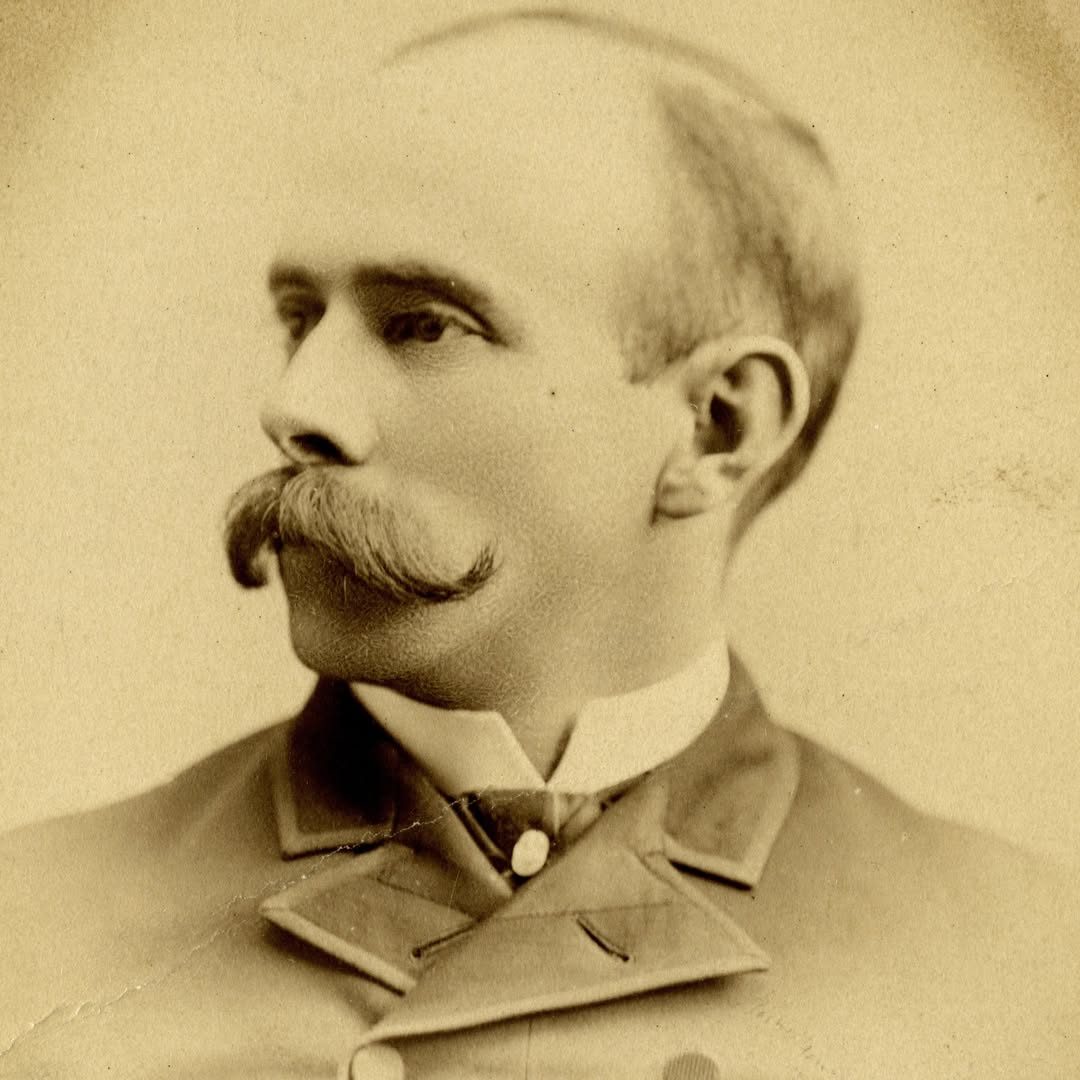
Manager: Frank Selee
Pitching Anchor: Kid Nichols
OBP Engine: Billy Hamilton
I. The 60’6” Shock and the Need for Systems
When the pitching distance moved to 60 feet 6 inches in 1893, baseball did not simply become “harder.” It became structurally different.
The expanded reaction window produced:
More contact
Higher walk totals
Run scoring volatility
Defensive range stress
The league entered a climatic surge. Teams that relied on proximity dominance at 50 feet found themselves exposed.
By 1897, one club had solved the geometry problem at the organizational level.
Not through spectacle.
Through infrastructure.
II. Measuring the Climate (1897)
To speak rigorously, we begin with the run environment.
National League 1897 totals:
Total runs: 9,520
Total team-games: 1,576
League runs per team-game (R/G): 6.04
Boston’s defensive record:
Runs allowed: 665
Games: 132
RA/G: 5.04
Team Prevention Share

Boston suppressed 16.6% of the league run climate.
That number is not an accident of one pitcher. It is the measurable output of a system.
III. Pitching as Controlled Contact
Kid Nichols was not a strikeout spectacle.
He was:
Contact-first
Walk-suppressing
High-workload
Mechanically stable
Under 60’6”, pure overpowering became less reliable. The distance rewarded command and sustainability.
Nichols provided innings continuity. Continuity produces defensive rhythm. Defensive rhythm produces conversion efficiency.
This is not individual brilliance.
It is node integration inside a team network.
IV. Defense Built for the Pitcher
The critical infrastructural insight:
Boston’s defense was aligned to Nichols’ contact profile.
Strong infield range
Rapid double-play conversion
Arm strength at the corners
Coordinated positioning
In a league averaging 6.04 runs per team-game, Boston converted batted balls into outs at a rate sufficient to suppress 16.6% of that climate.
The defense was not generic.
It was calibrated.
Pitching profile → defensive architecture → run suppression.
V. Offense as OBP Possession
Boston did not chase the 1894–95 offensive chaos.
They accumulated base presence.
Team offense in 1897:
Runs scored: 1,025
R/G: 7.77
Team OBP: .378
Billy Hamilton led the league in walks (105) and runs (152).
This is possession offense.
On-base events create:
Throw stress
Defensive movement
Fielding pressure
Compounded probability
Boston’s offense extended innings. Extended innings amplify run conversion without volatility dependence.
They did not rely on sporadic explosion.
They relied on sustained presence.
VI. Frank Selee and Operational Continuity
Selee’s importance is not stylistic — it is structural.
His managerial framework provided:
Role clarity
Roster coherence
Tactical consistency
Long-term equilibrium
Where other teams oscillated after 1893, Boston stabilized.
Stability compounds.
Adaptation becomes architecture.
VII. What Makes This “Modern”
A modern team is not defined by uniforms or nostalgia.
It is defined by system integration:
Pitching aligned to defensive capacity
Defense structured for contact conversion
Offense designed for base accumulation
Management sustaining operational continuity
The 1897 Beaneaters satisfy all four criteria.
They are not merely a great 19th-century club.
They are the first fully realized team-level system under modern pitching distance.
Conclusion
In a league averaging 6.04 runs per team-game, Boston allowed 5.04 and scored 7.77.
They suppressed climate and expanded possession simultaneously.
The 60’6” rule did not create their dominance.
It required their design.
The 1897 Boston Beaneaters represent the birth of integrated systems baseball — contact management, defensive calibration, OBP pressure, and operational stability unified into a single repeatable structure.
It is infrastructural modernity.