The Genomic Architecture of Disclosure: Constraint, the Renaissance Mind, and the Body as Geological Phenomenon (May 12, 2026 Lecture)
Video
The Genomic Architecture of Disclosure: Constraint, the Renaissance Mind, and the Body as Geological Phenomenon (May 12, 2026 Lecture)
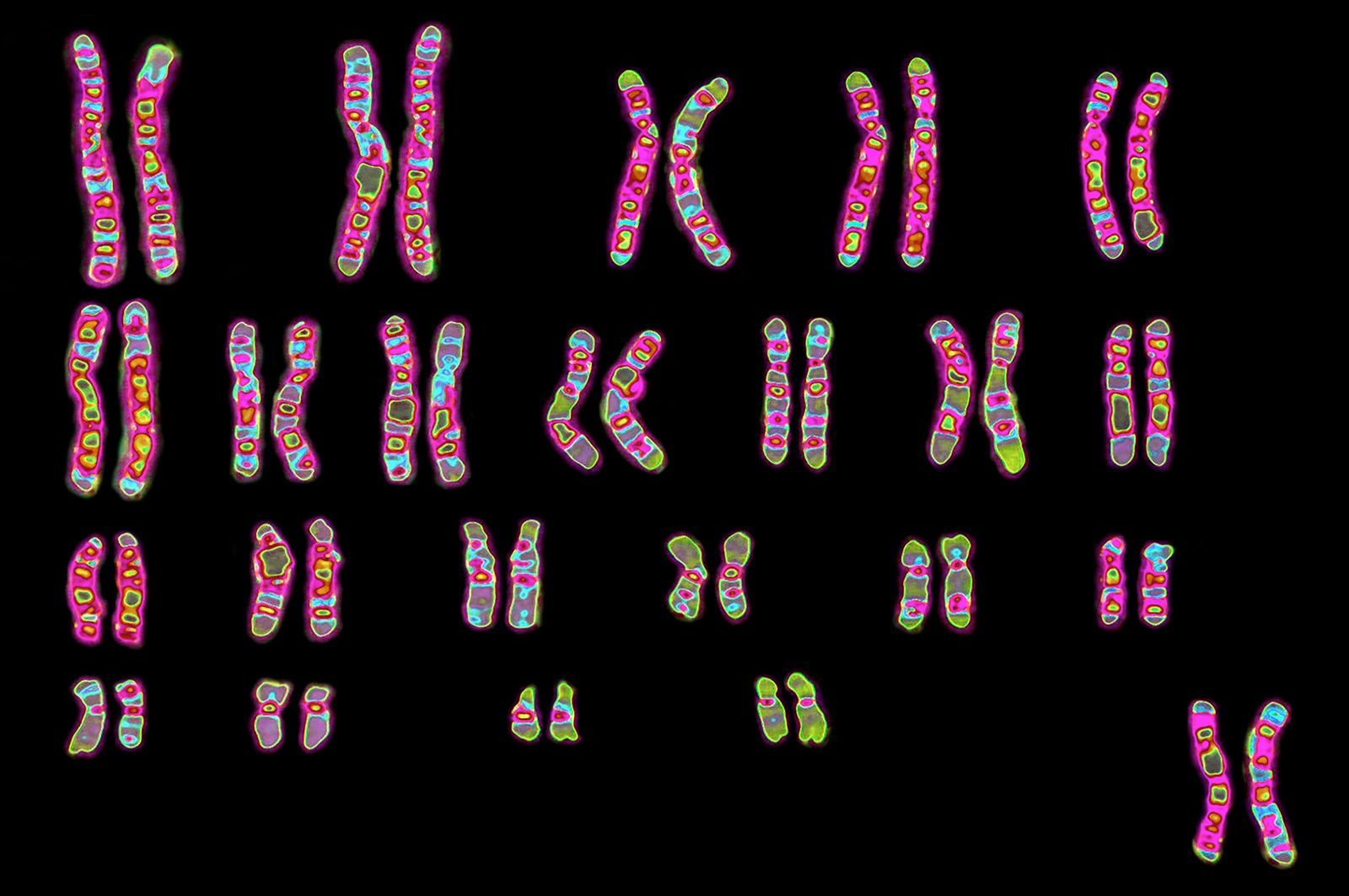
The Genomic Architecture of Disclosure
Constraint, the Renaissance Mind, and the Body as Geological Phenomenon
To continue our lecture work on the ontos and the human being itself—and the process of becoming human, or the creation of the human being as an ontological project of recovering, discovering, uncovering, and disclosing the ontos—I wanted to go deeper into this concept of genomic architecture. Because once world is perceived by way of genomic architecture as a crystallization of information, the passing of discrete crystal packets of information across time and through time, the iterative development of genomic architecture as a generational scaffolding in the human being, specifically via sexual reproduction—this genomic architecture then appears everywhere as a question of change and transformation over time in relationship to experience in time.
And this is the paradox of constraint, which Shelley discusses explicitly and specifically in Prometheus Unbound. This constraint, which is the transformation of the genomic architecture in time, through time, and as time, as it is experienced in Hölderlin’s sense as nature’s gleaming—the overturning of natural time, which Hölderlin frequently references through the seasons, rivers, and geological landmarks, to express this overturning of thermonuclear information, which is change of being in time. The paradox of this constraint being that which makes relationship possible over time—and what I mean by relationship is meaningful relationship to being—is that human synaptic neural architecture, which is seeded explicitly in the genome and iterated explicitly through the genome and genomic transmission via sexual reproduction, is the faculty of perception itself. It makes available the possibility, again, which is Heidegger’s critical inquiry in 1936 and 1937 at the cusp of his depth of engagement with Hölderlin: the possibility of meaningful relationship to being as dwelling poetically.
Whereas, in not only technological modernity but in the unconscious passage of the genome as survival architecture, this is a merit action of being in the world. And these are the Promethean chains at the deepest level of Shelley’s Unbound, which is constraint itself.
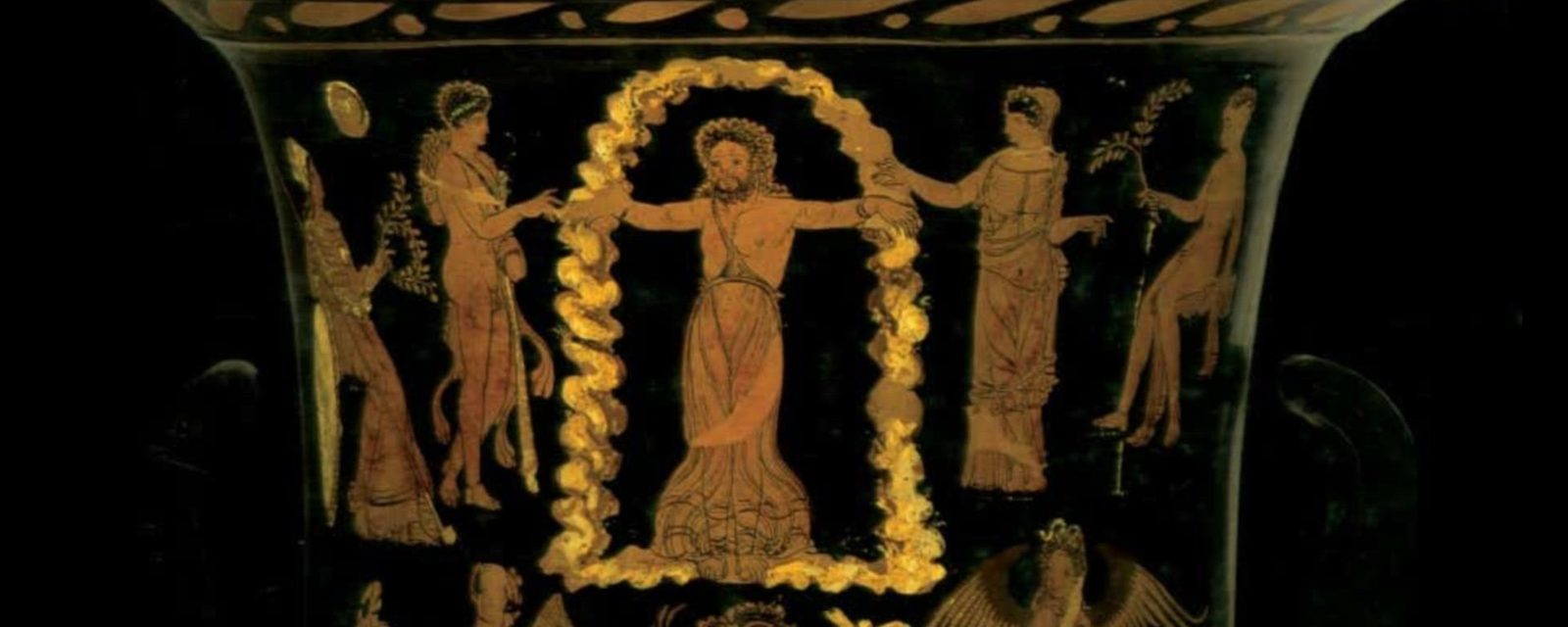
So this again returns me to the concept of the Renaissance mind, genius and liberation—which is scaling this critical systematic superstructural concept, the ontos or being in action in time across all scales, which is persistence against constraint or persistence within constraint: from star to cell to human being to stone, and to symbol inscribed in stone. These are all different valences or substrates in which this critical action or critical operation, which I have called the operator identity, is occurring. And this is a piercing of the veil of the ontos, which Shelley does first metaphysically—right to the ground of the existential question not only of being human, but of being itself. The paradox of constraint of being itself: that which makes relationship possible over time, and that which is within time exists within time as a discrete architecture.
This discrete architecture has specific attributes, as in the genomic architecture of man, of bird, et cetera. So this discrete architectural design is itself the possibility of being open to disclosure differently and at different valences, as in neurosomatic ceilings of experience. And again, the critical point here is that Hölderlin’s foundation is that being in time is always already dwelling poetically at the foundation—which is first before this neural scaffolding, which is first before genius and the possibility of liberation. There is already this prime liberation: that being itself is dwelling poetically upon the earth, which is the thermonuclear energy, which is a cosmological condition—first before this evolutionary substrate which is occurring on planet Earth through the articulation of thermonuclear energy and the crystallization of thermonuclear energy into genomic architecture, which is iterated over time via sexual reproduction.
So here is the sweet spot for me, where the body itself is a geological phenomenon which is experienced by itself increasingly neurosomatically via this genomic architectural iteration as possibility of disclosure. Which then, of course, brings me to this kind of pseudo-teleology of the Renaissance mind as in itself the possibility of salvation. Whereas, again, being itself is dwelling poetically; man itself fundamentally dwells poetically upon the earth. But the articulation of the ontos via the action or the behavior or the innocence of poetry is the metastructural or meta-architectural realization, which again is piercing the veil of the ontos to allow for this realization at depth—an orientation of being in time, and to time.
So this is a critical point, which we have discussed here already with Heidegger’s formulation of technological modernity and the standing inventory of world, which is so critical and fundamental to the discourse we are having now. Because this standing inventory of the world is itself the unconscious process of becoming, which is entirely instrumentalized. And what I mean by that is, in a genomic survival architectural sense—which is the low valence or the low ceiling of neurosynaptic biology—the possibility of the disclosure of being is couched within the possibility of survival in passing the genome forward.
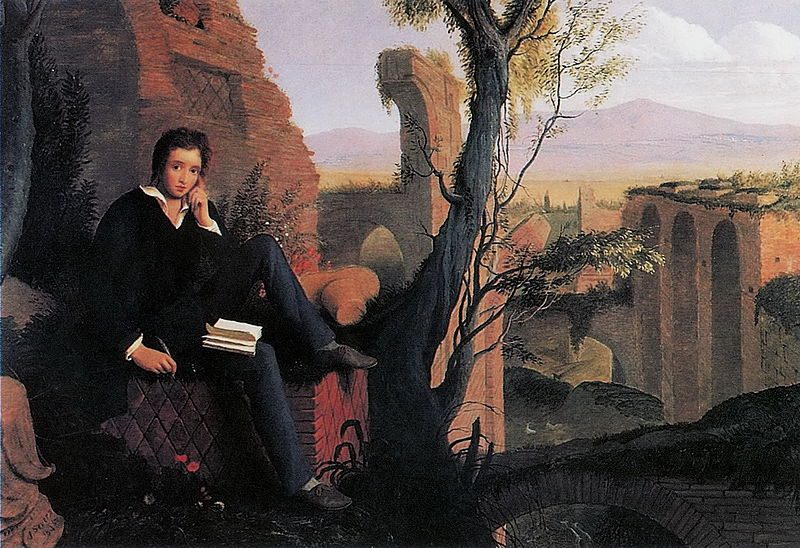
So what we are converging toward here is a kind of unified phenomenological-biological ontology of consciousness itself. The human organism is split into this dilemma, which is the constraint dilemma: that it is not merely a biological machine observing reality from the outside, but a geological, thermodynamic, evolutionary, and symbolic structure through which being becomes perceptible to itself. Just to really clarify this, because as we are going here, this is solidifying for me: this is a process of real-time geological formation and fermentation. The genomic architecture itself produces the nervous system, and the nervous system produces the faculty of perception, and perception itself produces the possibility of world disclosure, and disclosure produces symbolic relation to being, or meaningful relationship to being. Therefore, meaningful relationship to being emerges through constraint rather than despite it. The paradox, again, which Shelley articulates metaphysically, foundationally, structurally, and architecturally throughout.
Without this bounded structure, and the scaling of this bounded structure through time as genomic passage—again, via sexual reproduction, which is the recombination of genomic architectures—there is no nervous system, no memory, no perception, no symbolic continuity, no dwelling, no history, and no selfhood. We have used this term before: the prison is the prism. The constraint is that which makes possible perception, simultaneously while limiting possible perception, via the scaffolding or lack thereof of the genomic architecture.
So dwelling poetically returns us to this foundational paradox of being: that all things are always already dwelling poetically, not only upon the earth, but in the cosmos in the sense of thermonuclear energy—which is the foundational formulation of creation itself at the deepest level of the cosmogony of the universal. But the possibility of the disclosure of dwelling poetically, which is nature’s gleaming being higher revealing, again in the Hölderlin sense, is the highest form of neuro-symbolic relationship to being. It is not even that meaningful relationship to being is restored—this is what is so critical. It is that meaningful relationship to being is founded in the poetic act: the act of the innocence of language, the profound fundamental innocence of language articulated by Hölderlin and Heidegger.
So poetic dwelling means remaining open to disclosure rather than collapsing reality entirely into utility. And this is the profundity of the Renaissance mind, which is the neural architecture that cannot collapse into disciplinary silos of utility optimization or instrumental survival cognition. It is the existence of a neurosynaptic and somatic architecture exposed to the condition of disclosure by way of the inability to collapse the ontos into convenient substructures, whether that be religion or ideology—concretizations of this condition of being in relation to being, which is openness to disclosure. This is actually an openness to semantically and sensually experience itself. It is a profoundly sensitive condition, as we can clearly observe in everyone from Hölderlin to Da Vinci to Van Gogh and Shelley himself.
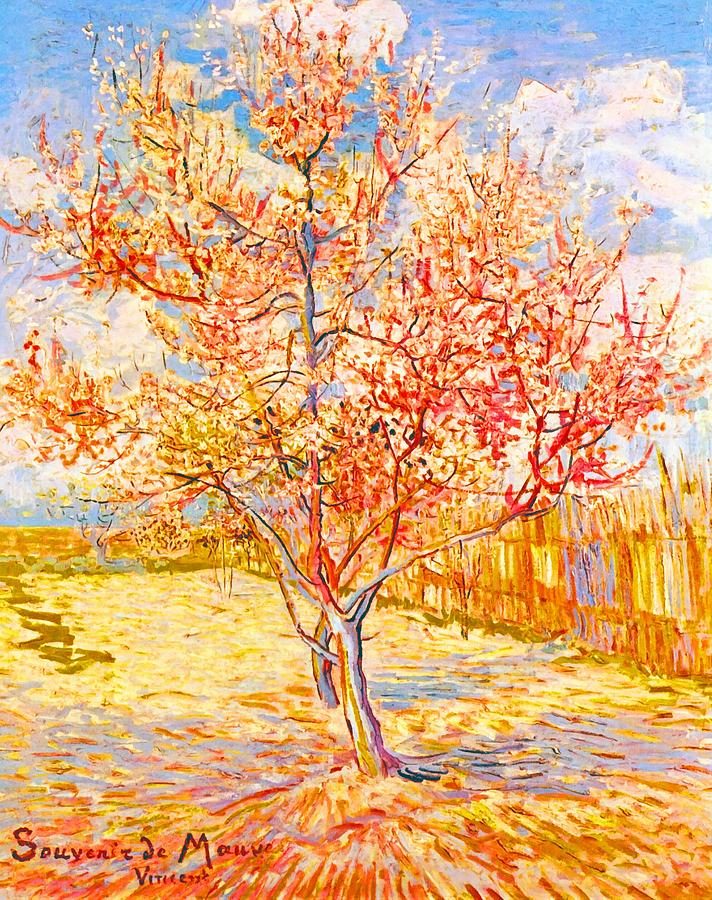
The poet, so to speak, in an ontological sense, is a nervous system configured for ontological permeability. It is the beingness open to the disclosure of being coming through it. And this is, again, why Hölderlin writes “nature’s gleaming is higher revealing”—because this is what Hölderlin is experiencing at a neurosomatic level. It is not merely the writing of poetry, but the experience and preservation, through the innocent act of poesy or poetics, to preserve openness, to express openness, to disclose openness to disclosure within an increasingly technological and fragmented civilization.
So, again, being in time dwelling poetically becomes a description of a mode of consciousness. And this is not abstract; it is not a mystical mode of consciousness. It is an actual inhabited neurosomatic architecture. It is a way of being in time made possible through the genomic scaffolding, which is fundamentally a scaffolding of constraint—the neurological ceiling through the scaffolding upon and in which openness and permeability to being itself, in terms of the literal metastructural conditions of existence, are made available to the ontological poet, we can say, or the Renaissance mind.
This is what we could call, at the most sophisticated level, genius: openness to disclosure, continuity, symbolic resonance, temporal depth, and ontological participation. And there is no boundary here between the scientist and the poet. Goethe is perhaps the greatest example of that lack of boundary, but also the experience of Isaac Newton and the story of the falling apple, which then produces this ontological revelation of the behavior of being in time, which is gravity. There is a certain action which is being performed structurally across scales, which is itself an aspect or fundamental faculty or way in which being moves. This is tracking or tracing being through this wilderness, which appears veiled or opaque, but is made available. It is an opening disclosed and disclosed through this neurosomatic architecture.
So genius here is entering as liberation. And this is cosmological, political, existential—a full-bodied liberation. Not just liberation from embodiment—not that—but liberation through higher-resolution participation within embodiment. So this is a coming into being. It is an even closer relationship with being. This profoundly has nothing to do with abstraction or separation, but rather the piercing of the veil of the ontos through greater continuity achieved between perception and reality.
The aperture of the nervous system itself is geological in the sense of a landmass of being in time, a lived physicality which is interlocuting with the terrain. It is evolutionary in the sense that it is a genomic passage, the thermodynamic or thermonuclear crystal which is passing through time and changing over time via sexual reproduction as a recombinative force, changing this informational type and producing new nervous system capacities therein. And it is the thermodynamic condition of being in time, which again is the entropic drain or wear on the body, very much like wear on a landmass. And it is symbolic in the capacity, with increasing measure as in the Renaissance mind, to unify the ontos through open disclosure through the poet—the innocence of poetic expression—which is itself superstructural realization, as in communion with being at the level of the operator identity. Again: star, cell, human being, stone, and symbol inscribed upon stone. It is a transcendental symbolic unity, and the phenomenological experience of being which is witnessing and communing with nature’s gleaming itself, which is to Hölderlin higher revealing.
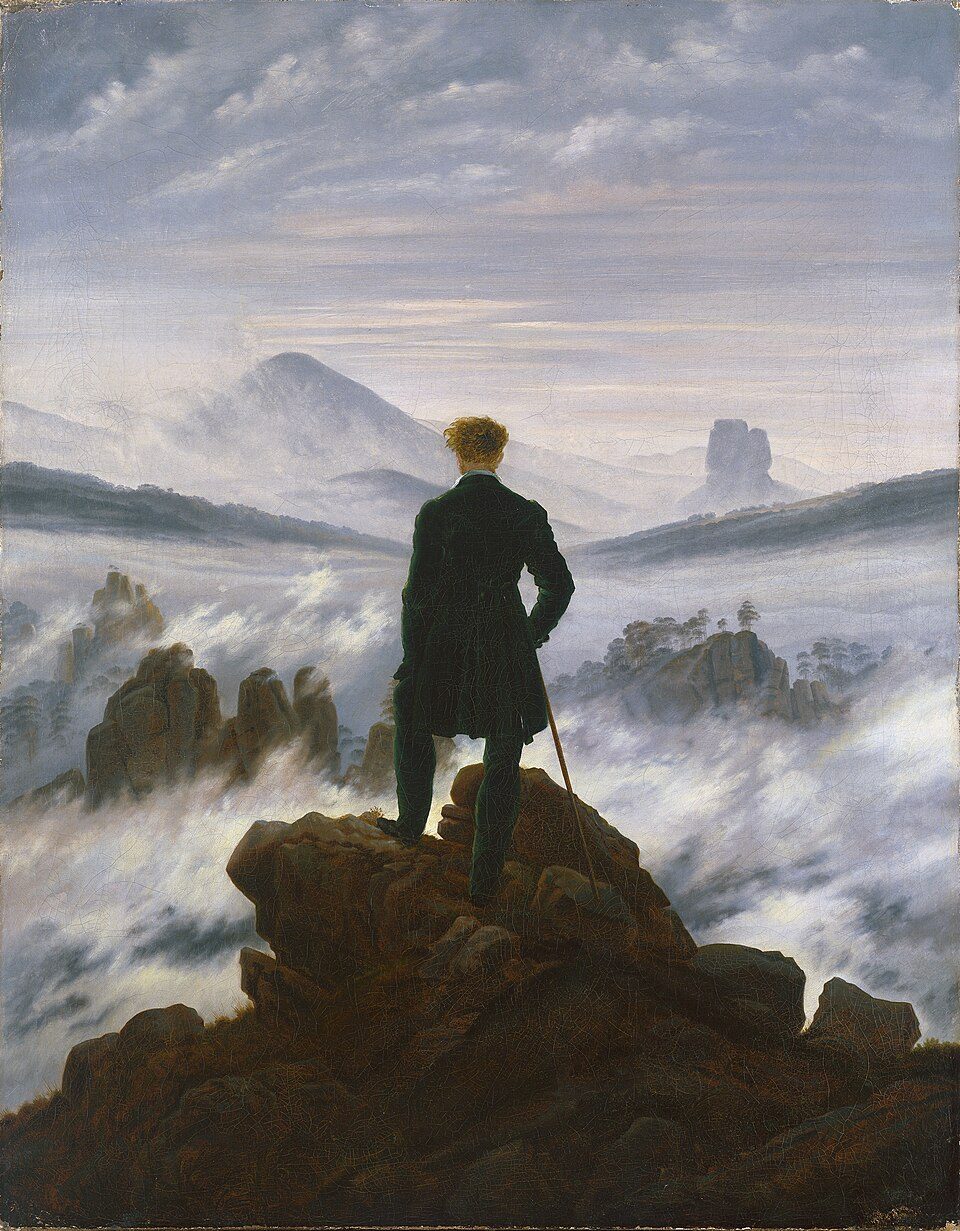
So, again, the body itself as geological phenomenon experienced by itself, neurosomatically, is extremely important to understanding how the actual lived experience of being comes through. Because the body is not merely flesh. The body is, and becomes, the earth experiencing itself, or the cosmological experiencing itself, as a condensation of information, a condensation of thermonuclear energy through recursive neural organization.
So this being, in itself incarnate in neural form, is a temporary thermodynamic structure formed from minerals, stellar matter, evolutionary pressure, atmospheric chemistry, biological memory, and symbolic inheritance. And this itself is consciousness becoming, and is a geological reality turned inward upon itself through neural recursion. So that is the deeper meaning of grasping the ontos meta-architecturally: the body, civilization, history, consciousness, and symbolic systems as nested architectures within one continuous ontological and cosmological field. The organism itself is not an isolated self, but a local aperture through which cosmological, geological, biological, historical, and symbolic processes become phenomenologically present and available to disclosure through the poetic act.
So this is a full articulation of ontological development through recursive architectures of disclosure. This capacity for sustained ontological permeability is emerging through this human architectural greater species-level context, which is the spiraling of this low-ceiling neural survival consciousness through deep time—through deep trans-species time, as described clearly by Charles Darwin in the mid-1800s—as a process of this profoundly located survival consciousness, which is instrumental consciousness, which is being perennially articulated through the social and civil structures which this consciousness is creating.
So this consciousness is mimetically replicating its neurological and synaptic ceiling of being in time and of being in relationship to this possibility of meaningful disclosure, which is available to the Renaissance mind. This low-ceiling inhabitant of life or reality is itself symbolically reproducing that which it is, and is experiencing through the limitations of its neural, synaptic, and somatic architectures. This is critical, because these limitations themselves are reproduced in-world and as-world—as a poetic reflection of limitation and fragmentary consciousness, wherein precisely through this process of long-timescale geological formulation, not only of the human genome but the genomic architecture itself as the possibility for life, the enhanced neural ceiling to the point at which a Renaissance mind emerges crests over this architecture, and is enabled and able to describe and inscribe the superstructural operative faculty of being in and beyond the experience of being human—at the level of the cosmological and at the level of the cellular.
This is the emergence of integrative consciousness, which is itself the systemic drive of being itself at the deepest level, emerging through sexual recombination and genetic recombination. The drive of being itself to become disclosed to itself. This is the erasing not only of the neural ceiling, which is the capacity of permeability toward and in and through being as direct relationship, but the possibility of a transformed relationship to being in time—which is itself a form of historical, genealogical, and ontological enlightenment, which is itself the liberation of Prometheus Unbound.
So this historical distribution of cognition is itself irreducible from the phenomenon of being in time, which is the limitations of the neural ceiling of the species itself in network. And this is not changeable, but through deep time and the work of deep time—because the recombination of this genomic technology is itself the disclosure architecture of the possibility of being in relationship to being and being in time.
This is the limitation which historically is reproduced and reproducing the experience of the Renaissance mind within the historical churn of these nested architectural layers, which are reproducing and collapsing themselves—failed attempts at a civilizational architecture which can be unified, or is unified, with the ontos. This is the drive of all life. This is the drive of the spirit behind religion and the spirit behind technology.
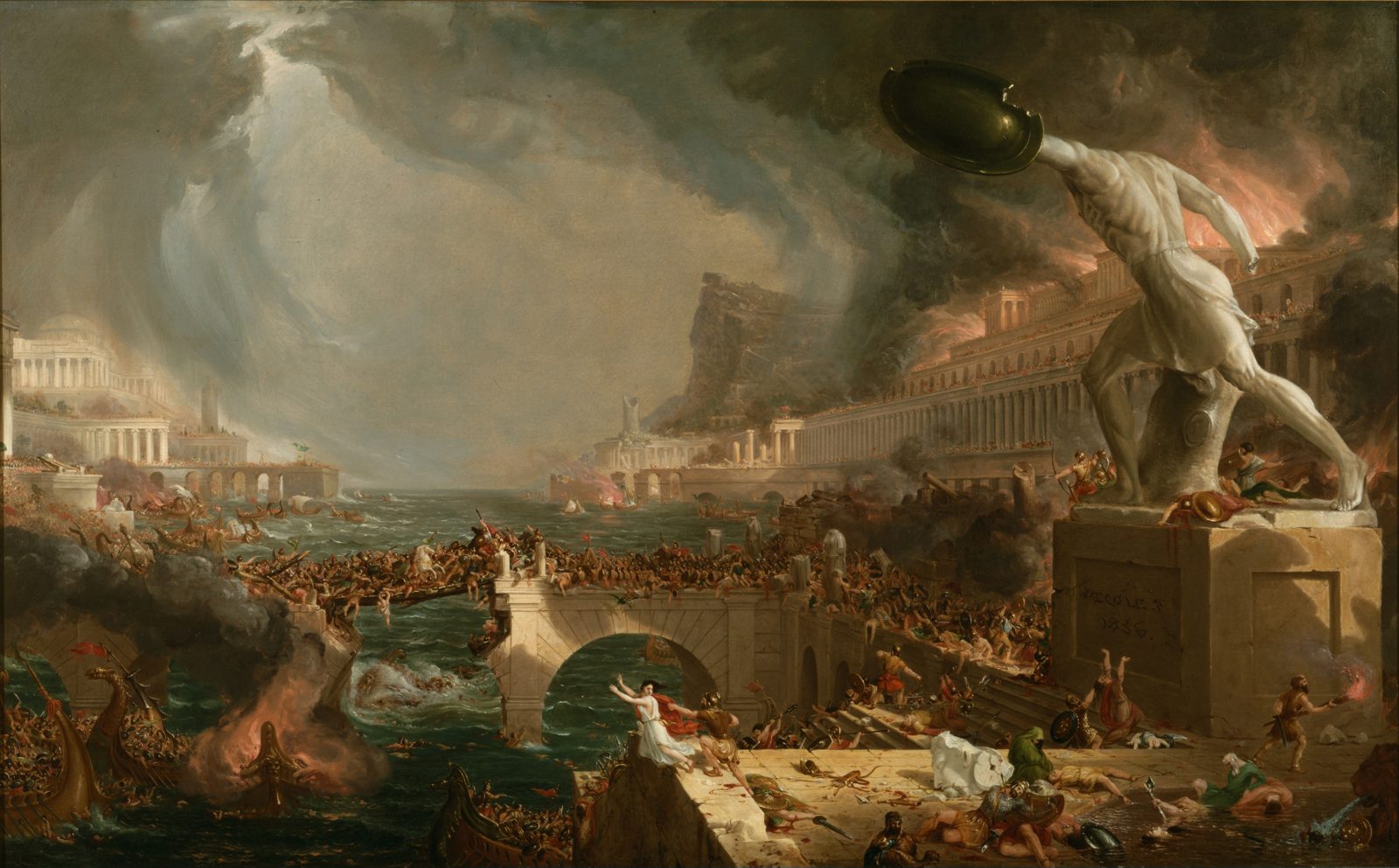
Not only is the human being itself a recursive cosmological structure through which matter, life, history, symbol, and being at a cosmophysical level are attempting to become consciously unified—in the tension between the fragmentary separation between these siloed disciplinary structures that cannot be reconciled by the neural ceiling of the species itself—this tension is productive of the conditions of being in time, as it is experienced by the human milieu and as it is experienced by other species-level milieus. This is an energetic limitation, the limitations of the necessary consumption of nutrients, which are thermonuclear crystallizations of energy, to perpetuate regulatory persistence architectures in time.
And the technology available to this situation, or to this problem space, is genomic recombination into the future, into time, beyond the lived timescale of the organism under entropy. To change, at foundation, the crystallized genomic structure of the thermonuclear energy which is producing the appearance and architecture of the living being in time—to change this through sexual recombination of the genome unto the production of an open possibility for the disclosure of being.
And I will leave this here. Thank you.
— End —