The Hitting Tail and the Integration Question: Ruth, Gibson, Williams & the Structure of Offensive Greatness
The Hitting Tail and the Integration Question: Ruth, Gibson, Williams & the Structure of Offensive Greatness
The Hitting Tail and the Integration Question
Ruth, Gibson, Williams & the Structure of Offensive Greatness
When offensive dominance is evaluated using first-listed career OPS+ only , and ranked by multiplicative distance from league average (100), the structure of the hitting tail becomes immediately clear.
Three players sit above the rest:
Babe Ruth — 206
Josh Gibson — 202
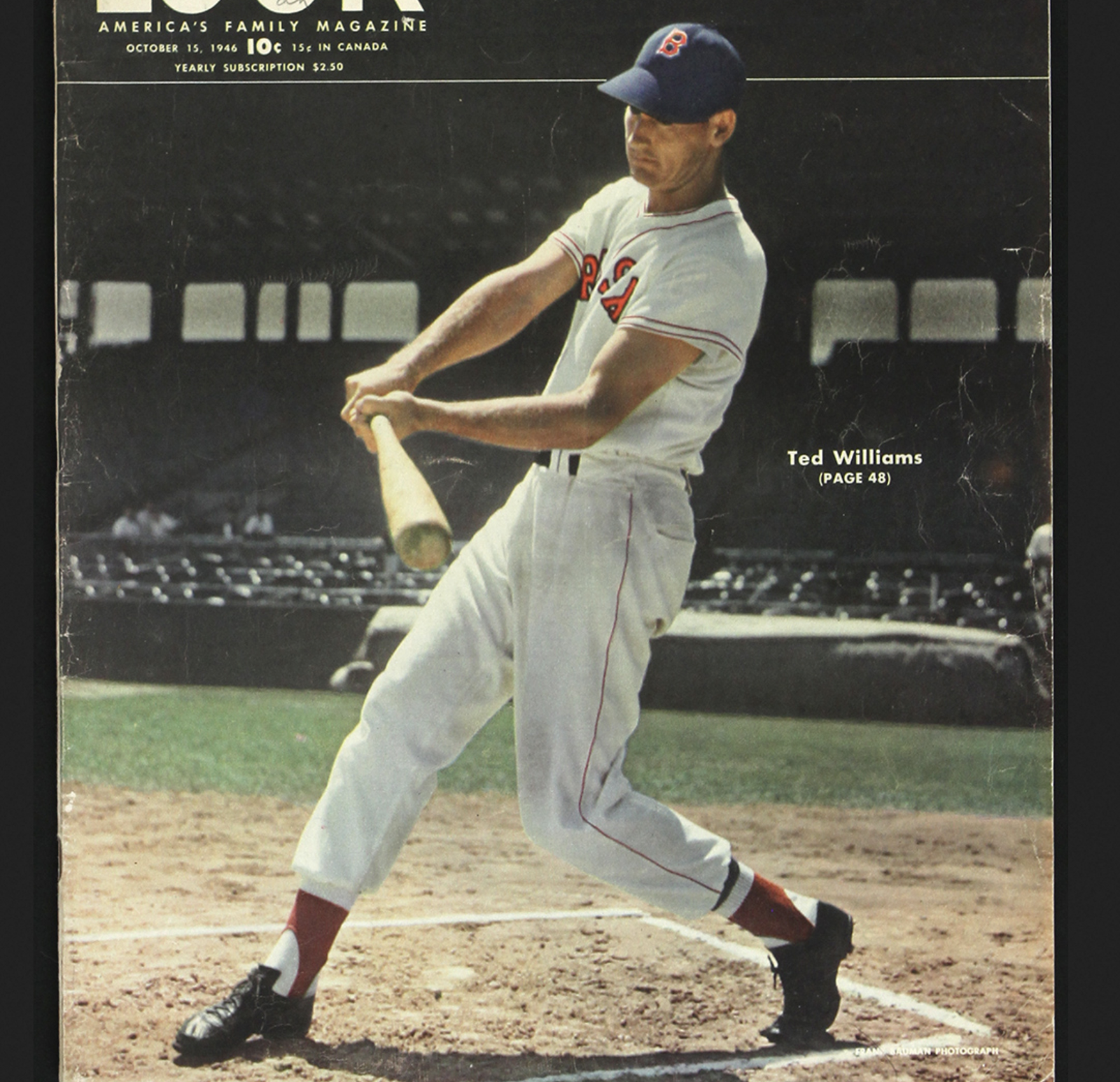
Ted Williams — 191
No other hitter in the volume-qualified historical record exceeds 180.
This is not a narrative observation. It is a structural one.
The distance from 191 to the 170–179 range is significant in multiplicative terms. Once past 190 OPS+, the distribution thins sharply. The 200 band represents ecosystem displacement; the 170 band represents apex excellence within equilibrium.
The question is therefore not whether these three are separated.
They are.
The question is environmental:
How does integration density affect the interpretation of their dominance?
I. Competitive Ecosystems
Babe Ruth — Segregated Major League Baseball
Ruth’s 206 OPS+ occurred within a white-only MLB. The American and National Leagues of the 1920s excluded Black players entirely.
Within that environment, his dominance was absolute. No contemporary approached his magnitude. His separation from league baseline was unprecedented and transformative.
However, the competitive universe was segregated.
Josh Gibson — Peak Negro League Density
Gibson’s 202 OPS+ was produced within the Negro Leagues and Caribbean circuits at their competitive height. These leagues concentrated elite Black and Latin talent into a smaller number of teams, increasing roster density.
His dominance within that universe mirrors Ruth’s in magnitude.
Yet his league was also segregated — albeit in the opposite direction. Cross-league integration did not occur.
Ted Williams — Transitional Integration Era
Williams’ 191 OPS+ spans both segregated MLB (pre-1947) and the early integration period that followed Jackie Robinson’s debut.
By the 1950s, Major League Baseball had begun absorbing Black and Latin stars, expanding the talent base and competitive breadth.
Williams therefore achieved his dominance within the broadest competitive environment of the three — one that increasingly reflected integrated play.
II. The Mantle Threshold
The next closest hitter in a fully integrated MLB environment is:
- Mickey Mantle — 172 OPS+
Mantle’s prime occurred during a more fully integrated league than Ruth’s and a more mature integration phase than much of Williams’ early career.
Yet his career OPS+ resides in the 170 band.
This is the structural point:
Integration expanded the talent pool.
It did not produce another 190+ hitter.
The 170 range represents apex performance within an integrated equilibrium.
The 190 range represents structural rarity.
III. Tier Structure
When organized by dominance magnitude:
Transcendent Tier (190+)
Ruth — 206
Gibson — 202
Williams — 191
Apex Tier (170–179)
Gehrig — 179
Leonard — 175
Hornsby — 175
Mantle — 172
Stearnes — 173
Deep Tail Floor (~160+)
The lower boundary of historic extremity.
The separation between 191 and 172 is not cosmetic. It represents a meaningful change in multiplicative dominance over league average.
IV. Interpreting Integration
If the evaluative priority is:
Breadth of competitive inclusion
Depth of league talent
Statistical stability
Integrated play
Then Williams gains contextual weight relative to Ruth and Gibson.
He dominated in the most inclusive environment of the three.
However:
If the evaluative priority is magnitude displacement from league equilibrium, Ruth’s 206 remains the highest sustained offensive outlier.
If the evaluative priority is peak dominance within Black baseball’s highest-density era, Gibson’s 202 stands as the apex of that universe.
V. Executive Conclusion
The historical hitting tail presents a clear structure:
There are three at the summit:
Ruth
Gibson
Williams
Below them lies the apex band of the 170s.
Integration context meaningfully strengthens Williams’ case within modern evaluative frameworks.
But integration does not erase the magnitude separation that defines the 190+ tier.
The data support a disciplined conclusion:
Ruth, Gibson, and Williams occupy the transcendent offensive stratum of baseball history.
All others — however great — reside on the slope below.