The Quiet Wound: Baseball as America’s Mirror of Trauma
The Quiet Wound: Baseball as America’s Mirror of Trauma
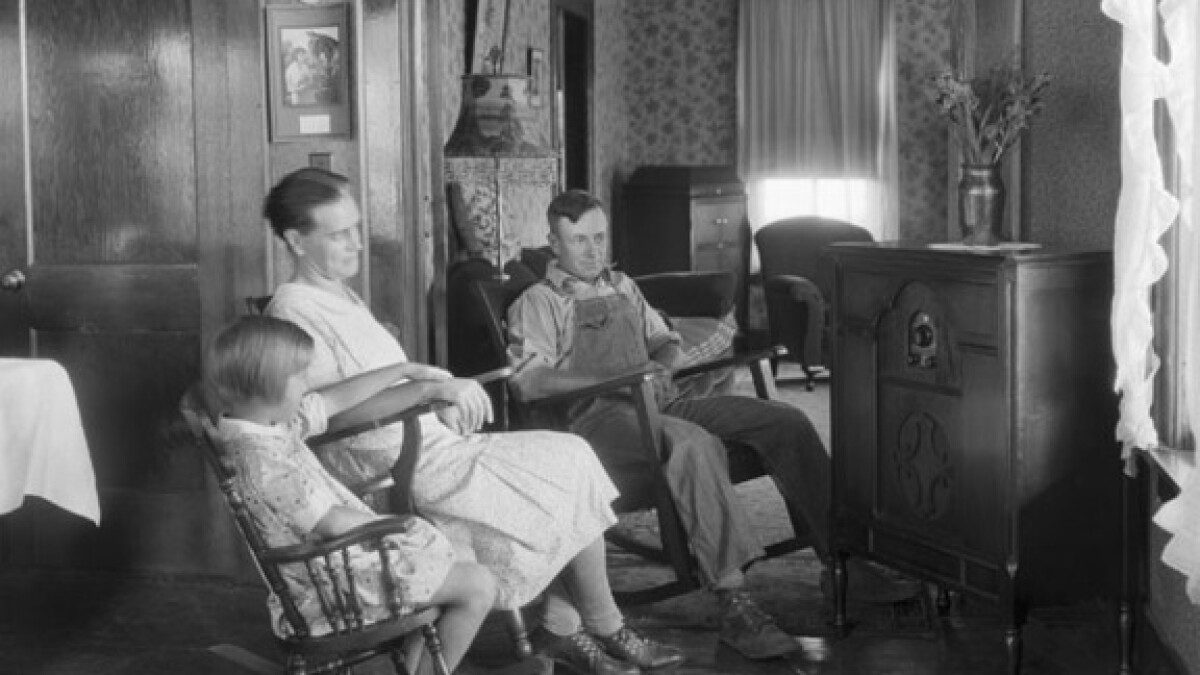
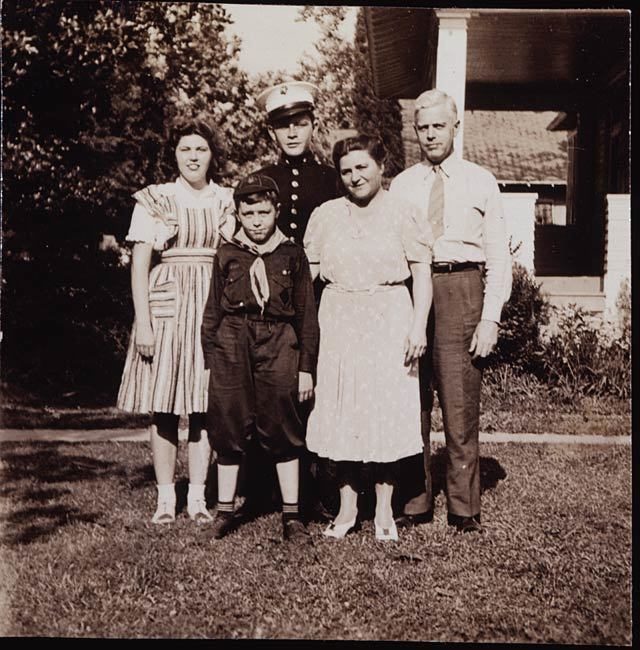
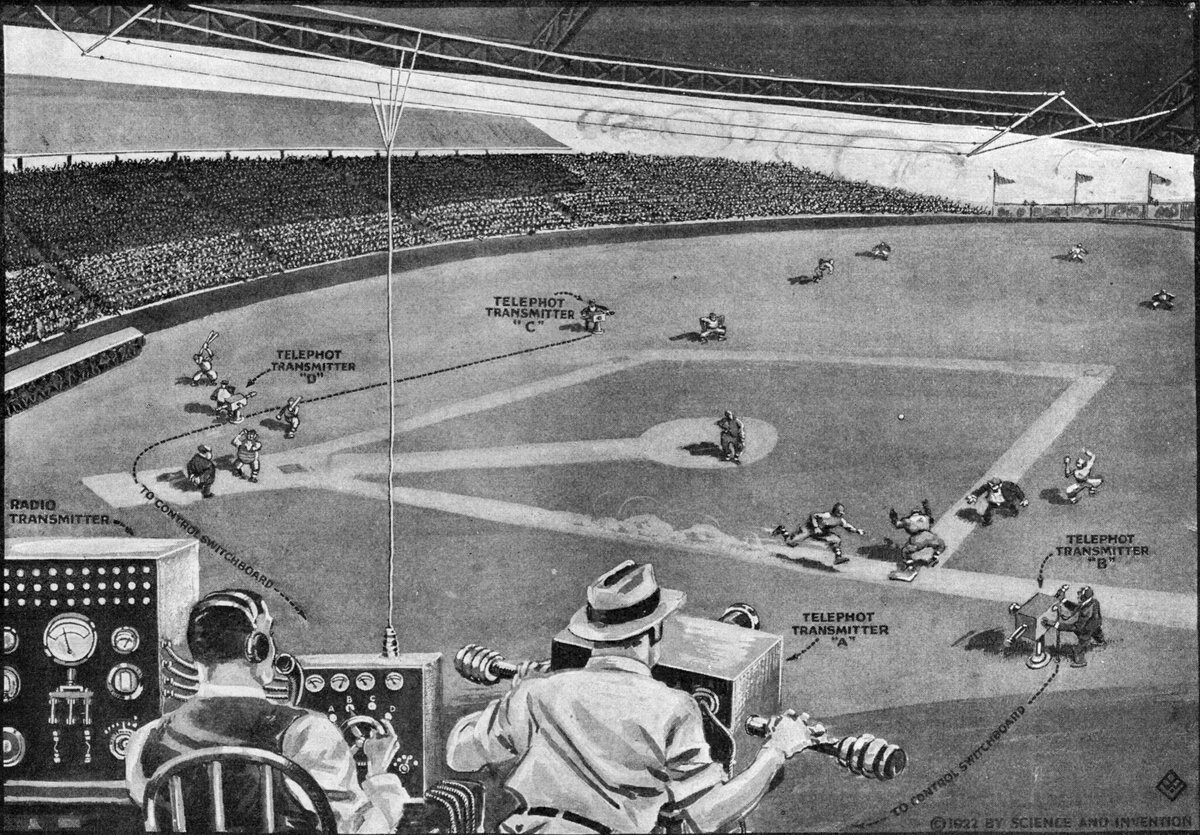
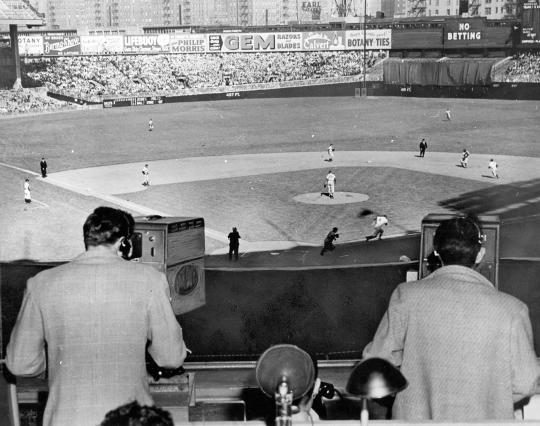
I. Trauma Without Speech
The defining trauma of twentieth-century America did not announce itself through collapse, revolt, war, or confession. It entered the body quietly, through childhood. Without words. Without knowing. Without understanding.
The Great Depression reordered domestic life around scarcity, fear, and emotional inhibition long before the language of psychological injury existed. Mass portions of the population—who survived the industrial child labor of the turn of the century; the emerging modern warfare of the first World War—were now having children.
These children were raised in households where vulnerability threatened survival itself. Fathers lost not only work but authority; mothers became the invisible load-bearing structure of family life, holding together homes built atop economic terror.
By the time America began raising children again, its adults were already emotionally unavailable by necessity.
World War II completed this half-century transformation of American time. It demanded emotional suppression at scale. Fear was converted into duty. Grief into patriotism. Silence into moral strength. Men returned from war not healed but frozen, carrying experiences that could not be integrated into civilian life without endangering the fragile stability of the postwar home.
America did not metabolize this trauma.
It contained it.
That containment required ritual, repetition, and shared time—emotional participation without articulation. It required a medium capable of absorbing grief without demanding language.
Trauma that cannot be spoken must be circulated.
Trauma that cannot be circulated destroys domestic life.
That medium was baseball.
II. Baseball as Domestic Regulation

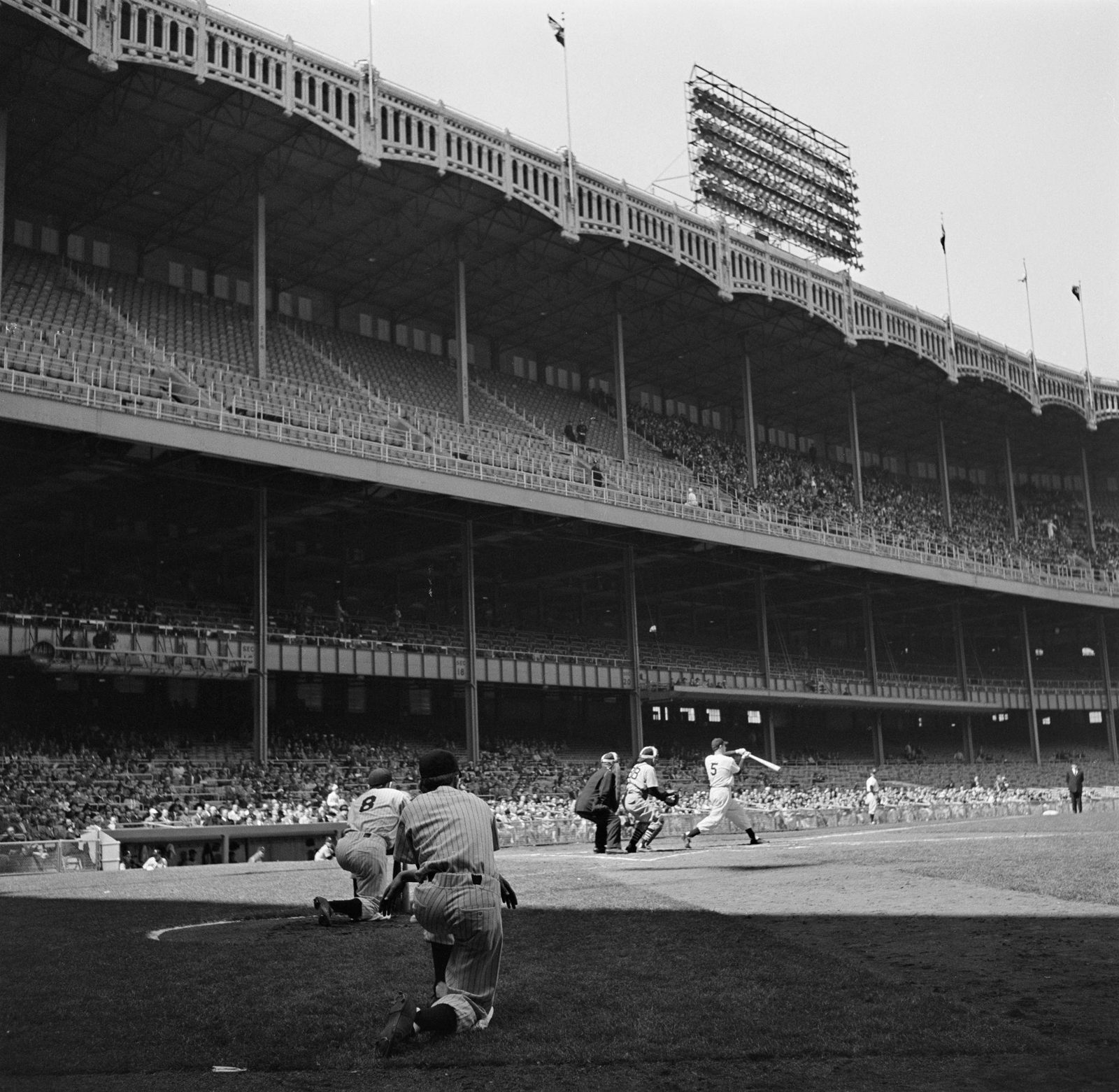
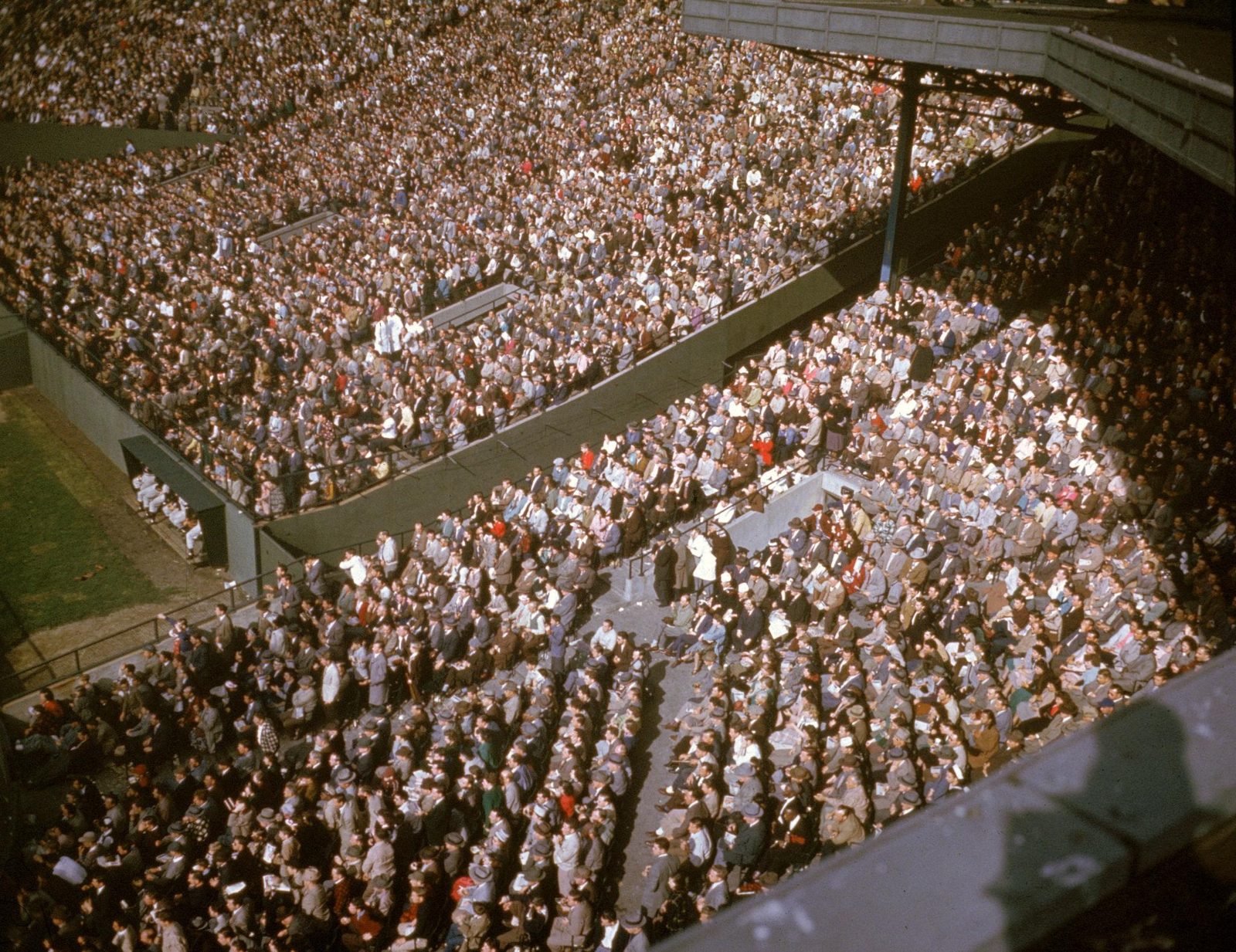
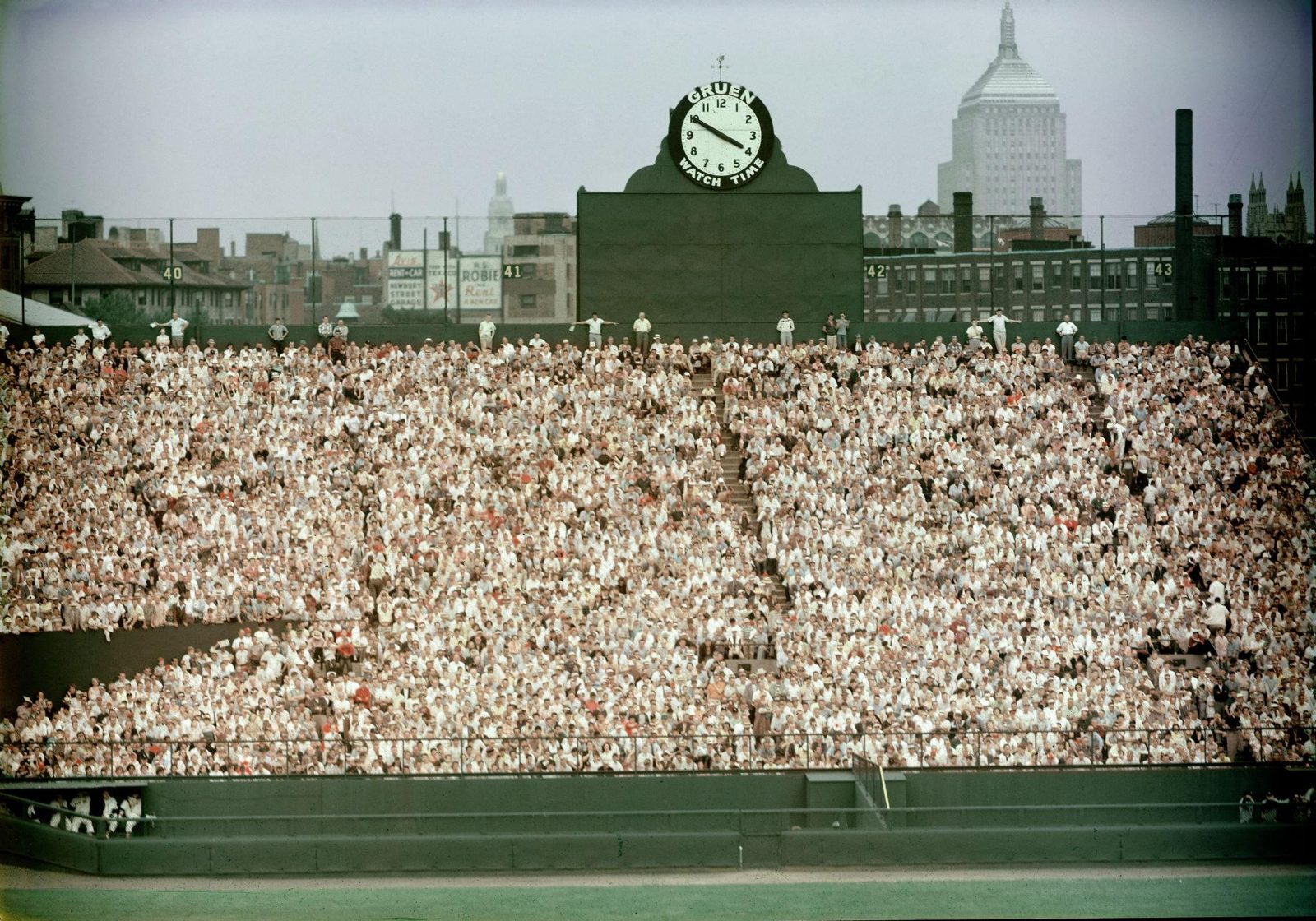
Baseball’s cultural centrality was not accidental. It coincided precisely with a historical moment when emotional exposure most absolutely threatened American psychic collapse at scale. Baseball functioned as a closed emotional circuit.
The game provided:
Predictable time in a world recently made chaotic
Rules where authority had failed
Conflict without annihilation
Loss without existential meaning
For fathers and sons in particular, baseball created a shared psychic environment where presence did not require speech. Sitting together—at kitchen tables, in living rooms, in bleachers, in practice—men and boys learned how to feel without naming why they felt. The game permitted emotion to circulate safely through the body while remaining socially unspoken.
Baseball was not escapism.
It was emotional infrastructure for an adolescent nation on the verge of psychic breakdown.
III. The Hero as Trauma-Bearer
Mid-century baseball heroes were not selected because they transcended suffering. They were selected because they embodied suffering in forms America could tolerate.
Two figures crystallize this function: Mickey Mantle and Ted Williams.
IV. Mickey Mantle — The Son Who Was Never Enough

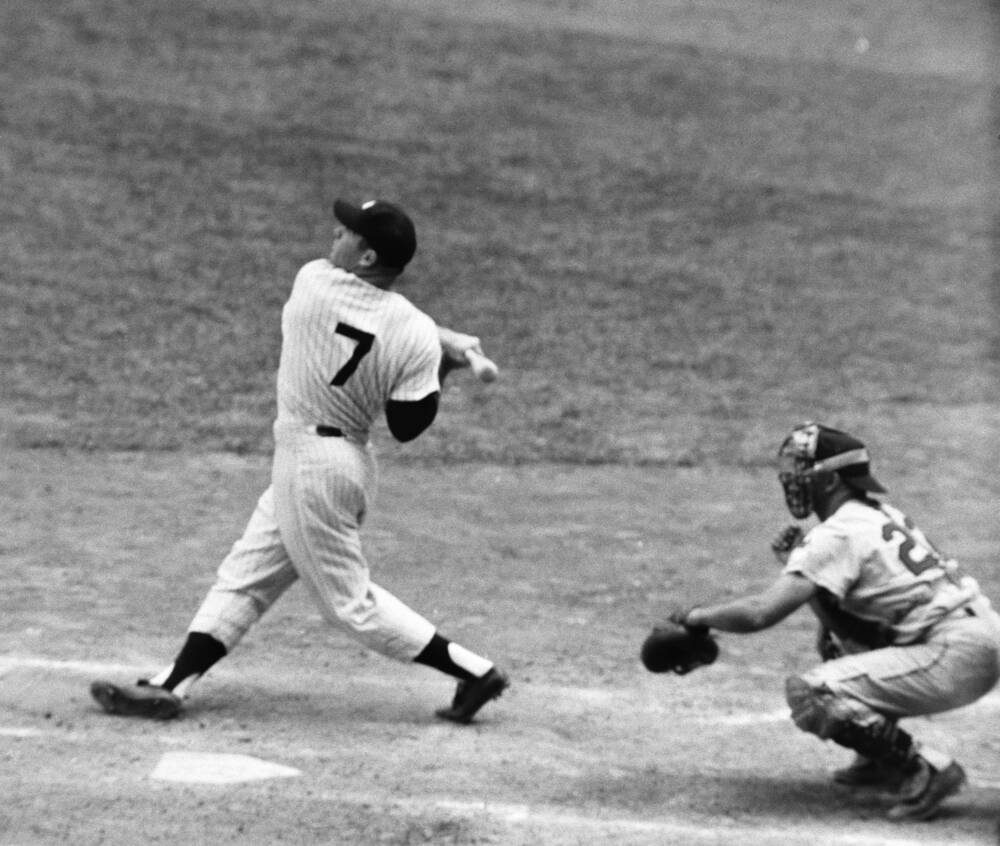
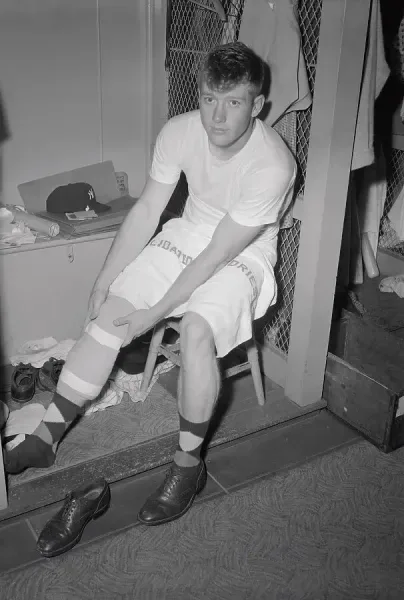
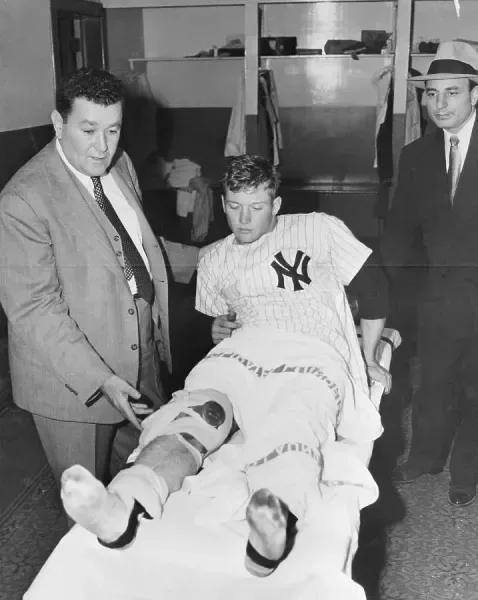
Mickey Mantle was not merely a great ballplayer; he was a Depression-era child forged under impossible paternal expectation.
Mantle grew up in Commerce, Oklahoma, the son of Elven Mantle, a lead and zinc miner whose body was slowly destroyed by industrial labor and Hodgkin’s disease. Elven believed—correctly—that he would die young, and he transferred this fatalism onto his son. After Elven’s death, Mickey lived terrified that the illness would claim him too. Mickey was trained not for childhood but for rescue: groomed as the family’s exit from the mine. Love was conditional. Approval was contingent on performance. And Elven—always—would let Mickey know that his effort was not good enough.
Mantle entered professional baseball already carrying an unpayable debt—to be good enough to redeem his father’s suffering.
He never believed he was.
A catastrophic knee injury early in his career permanently damaged his body, forcing him to play through pain for the rest of his life. Alcohol became anesthesia. Shame became constant companion. Despite historic achievement, Mantle lived with the unrelenting sense that he was failing—his father, his talent, his purpose. Without a model for true relationality, Mantle turned to alcohol—eventually even drinking with his children as a way to connect.
America loved Mantle because he mirrored its own condition: extraordinary output forged through inadequacy, brilliance achieved without internal permission to rest; trauma forged from destitution and existential dread—the sense that there was no way out of poverty or emotional absence.
Mantle did not ask to be understood.
He played through pain and said nothing.
Mantle made survival look like character rather than injury.
V. Ted Williams — Abandonment Without Consolation

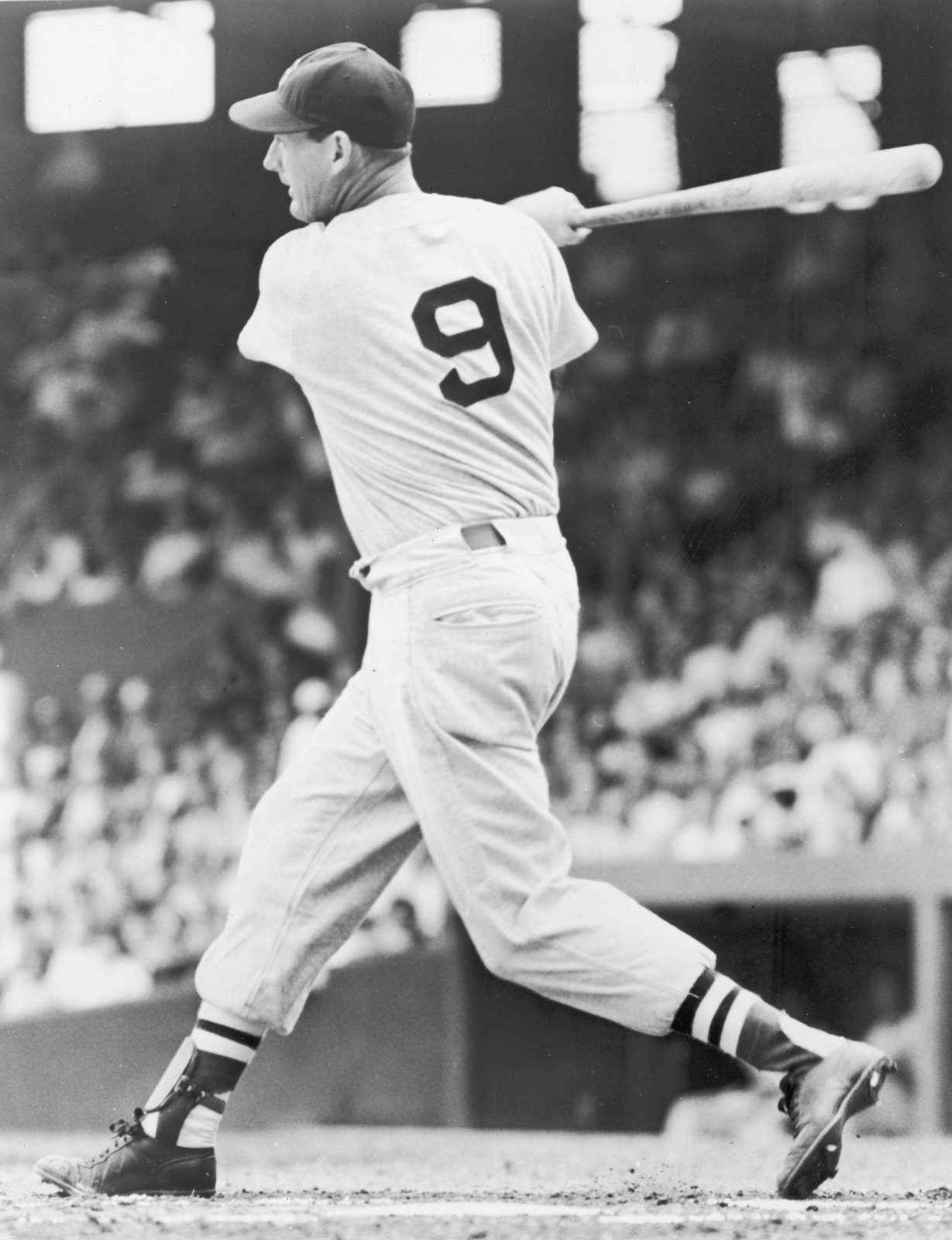
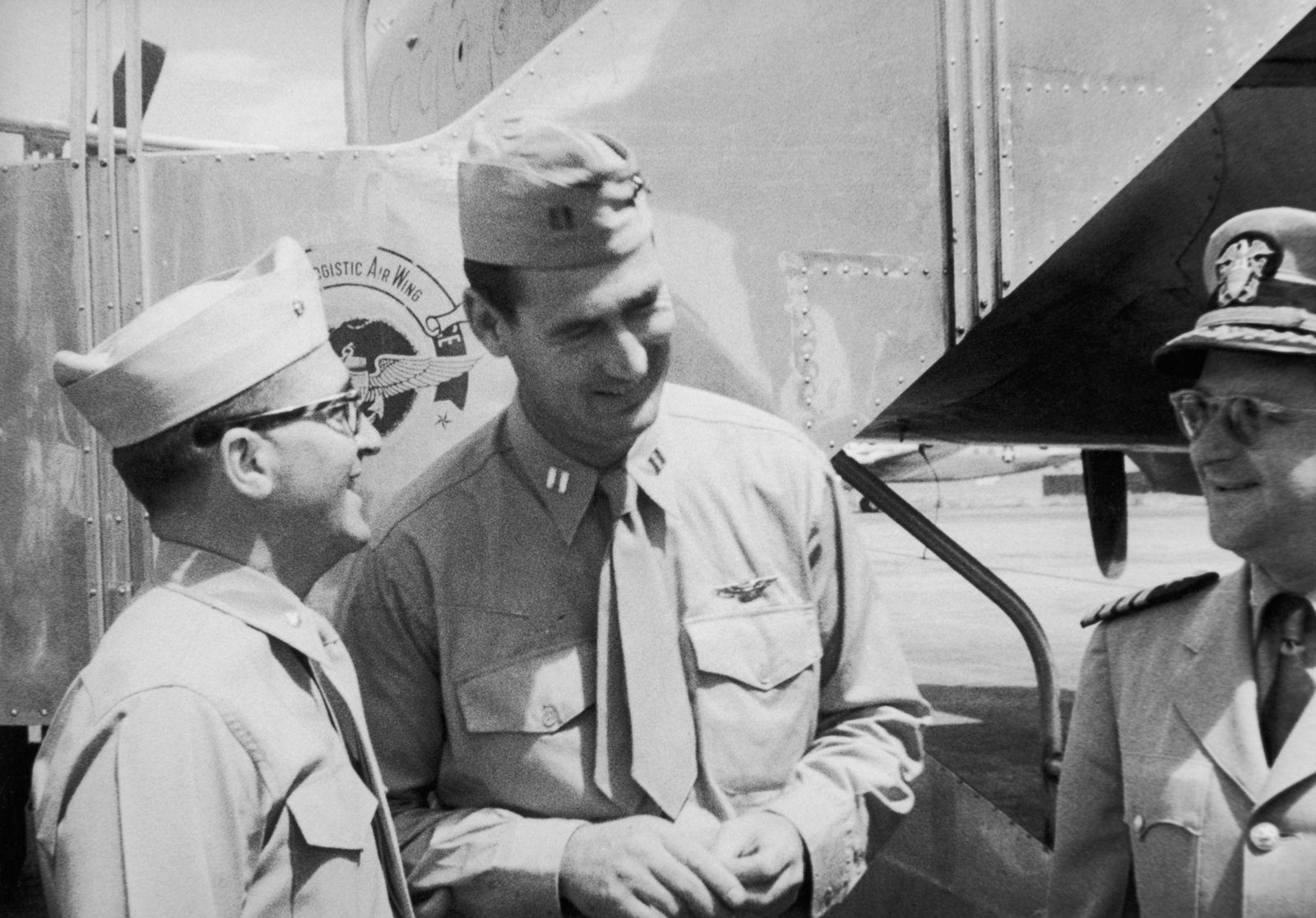
Where Mantle internalized trauma, Ted Williams refused its domestication.
Williams’ childhood was marked by profound abandonment. His father drifted out of his life early, emotionally and physically absent. His mother, May Venzor—Mexican American, deeply religious—devoted herself to the Salvation Army with evangelical intensity. Her faith consumed her time, attention, and emotional energy. Williams was not abused; he was left. This family pattern repeated itself in Williams’ later life: with marriage; with his children. Abandonment passed through him; was transferred through him in time.
The wound was structural: love displaced by doctrine, intimacy replaced by mission; absence replaced by coping mechanism.
Williams responded by constructing a self organized entirely around mastery; monk like devotion to the art and science of hitting a baseball. Hitting was not joy; it was control. Precision became survival. Vulnerability became intolerable.
At the height of his career, Williams left baseball—voluntarily—to fly combat missions in World War II, and later again in Korea. He returned to baseball unchanged in temperament: brilliant, exacting, emotionally inaccessible. He demanded recognition without warmth. He refused the sentimental contract that allowed heroes to function as emotional containers; becoming increasingly ornery, uncooperative; even verbally violent with press and media.
Boston both revered and resented him because Williams exposed the cost of trauma without softening it. He would not perform gratitude. He would not absorb collective feeling on the public’s behalf.
Williams represented a truth America could not metabolize: some wounds do not become charming.
Williams revealed what happens when mastery replaces attachment instead of repairing it.
VI. The Audience as Co-Bearer
What has not yet been named—but must be—is the role of the American public itself.
Mid-century baseball heroes were not merely watched. They were used.
The audience did not relate to figures like Mickey Mantle and Ted Williams as distant celebrities. They functioned instead as distributed trauma vessels , absorbing emotional weight that could not be carried privately inside American homes. They embodied the grief, agony, striving, and perfection embedded at the heart of American society and domestic life: the struggle for greatness in the face of emotional absence, profound distance; withdrawal—the deep American climate of shell-shocked alcohol abuse and silence.
Admiration was not passive; it was participatory. To watch these men was to transfer pain into them—pain that could then be processed ritually, cyclically, without destabilizing daily life. They became channels for the collective American grief; signs, symbols, and sigils of possibility in the face of psychic rupture; agony.
Mantle once wondered why middle aged men would cry when they met him. Once his son died of a heart attack at 36 while dealing with Hodgkin’s and drug abuse; Mantle himself tearfully admitted to his profound and protracted problems with alcohol—just before his death at age 63 from liver cancer caused by cirrhosis—he understood.
This was the unspoken contract.
America loved Mantle because he absorbed suffering without asking it to be witnessed. His injuries, addictions, and quiet shame were metabolized on behalf of millions who had learned that pain must be borne silently. Mantle made endurance look gentle. He permitted the nation to feel without responsibility. He smiled, waved, laughed; hid his suffering from the cameras; advertisements; the celebrity circuit of mid-century New York City.
America struggled with Williams because he refused that role. His greatness did not soothe; it confronted. He would not carry collective grief in exchange for love. He raged on the field; spat at jeering fans—just as he honed his perfection with privacy and inwardly drawn intensity. He demanded recognition without intimacy, respect without emotional reciprocity. In doing so, he exposed the cost of the arrangement itself: that heroism in America often requires emotional self-erasure. And as such, Mantle is and was always remembered as the heroic child of post-war America—even in the face of Williams’ five years of career service across two wars.
The public did not merely observe this dynamic—it depended on it. Baseball functioned as a shared emotional commons , a place where suffering could be safely exported into exemplary bodies and returned as meaning. The heroes were not symbols. They were load-bearing structures. They carried the somatic embodiment and consequence—the contradiction, paradox; even greatness forged from it—of generational American trauma incarnate.
That this exchange was unconscious does not diminish its precision. It explains why baseball—slow, repetitive, failure-heavy—was uniquely suited to this task. Its pace allowed grief to circulate without panic; its rhythms taught patience; its losses arrived without catastrophe. Mantle struck out; slowly limped back to the dugout—his palm cradled around the back of his black New York Yankees batting helmet, to flip it casually, frustratedly… to the side to the batboy. No other American sport could hold sorrow so gently for so long. Day after day, dog day summer after dog day summer. Weeks and years of rations. Red Barber humming on the Brooklyn radio. Weeks and years of unconscious, silent suffering hovering in the land; in the body, in the boy.
This was survival, not exploitation.
VII. Baseball and the Silent Home
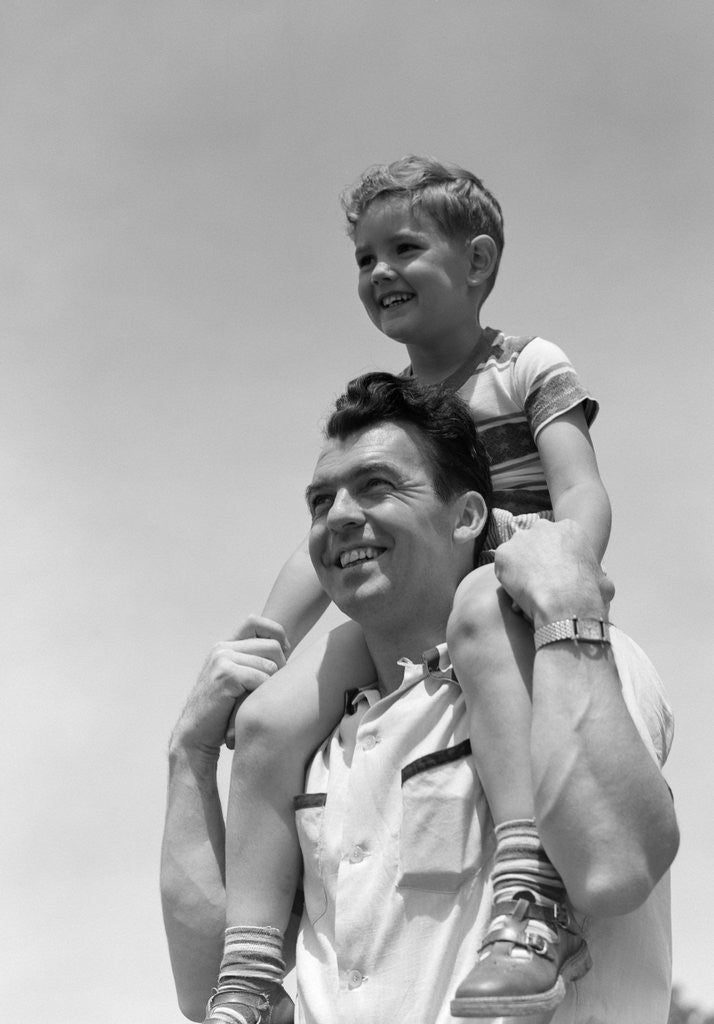
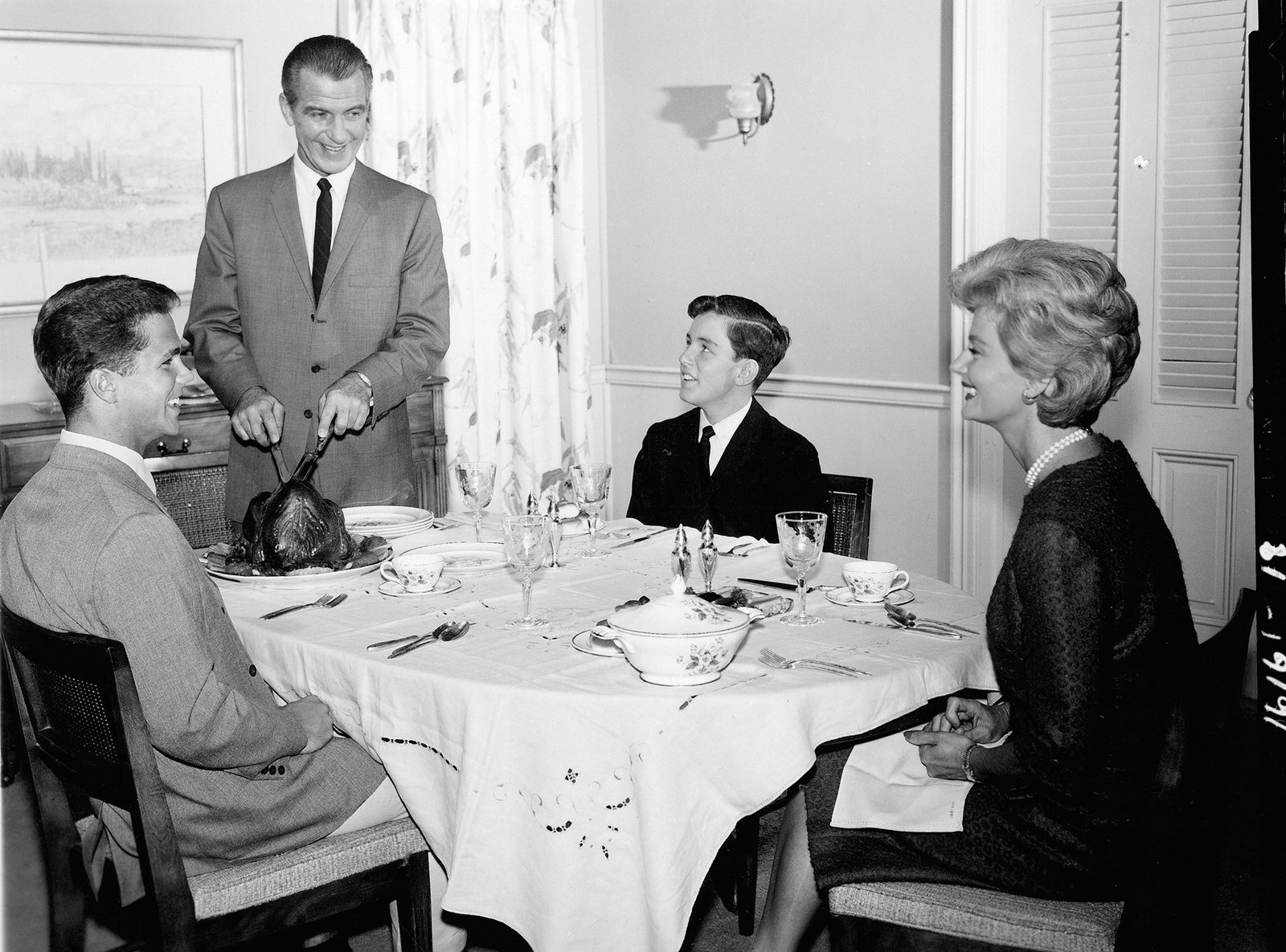
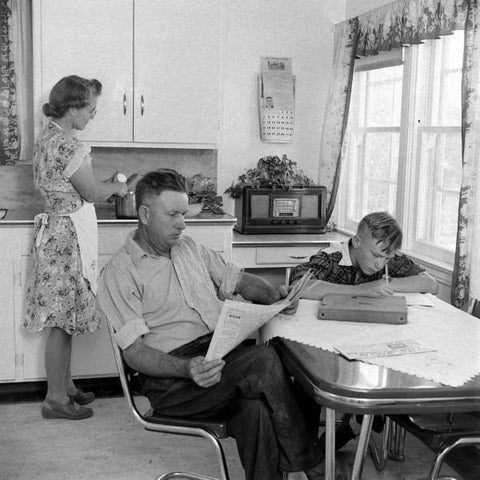
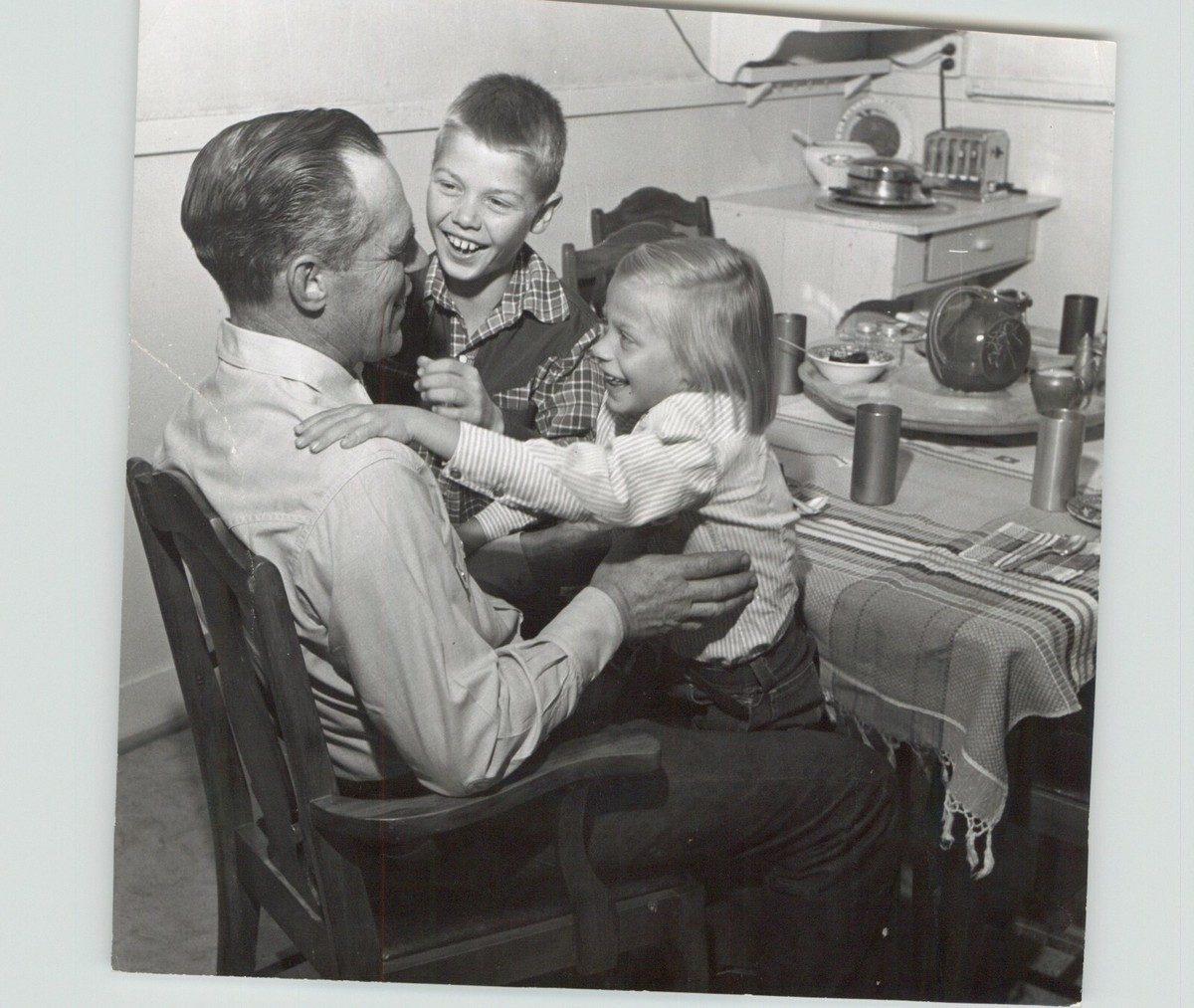
Inside mid-century homes, baseball absorbed what could not be spoken.
Fathers could feel without confessing.
Sons could witness suffering framed as endurance.
Failure could be ritualized, cyclic, survivable.
Every season promised renewal. Every loss remained contained. Time advanced without reckoning.
Baseball did not heal America.
It held America together long enough to function. Each season became a pending survival of mediated time—somatically holding together a nation of fractured nervous systems: scarred and bleeding from war, abuse, alcoholism, scarcity, and absence.
VIII. After the Mirror Shattered
When shared time fragmented—when the afternoon game disappeared into infinite feeds—baseball lost this function. Media acceleration, emotional individualization, and the collapse of collective ritual left inherited trauma uncontained. What baseball once metabolized now circulates unregulated—through politics, identity conflict, and private despair.
What was once shared rhythm became individualized exposure.
The loss was not innocence.
It was structure. It was what allowed America to experience survival and the possibility of survival—of profound suffering—collectively. It allowed joy even in the face of a technological and scientific lack of knowledge—knowledge that would later make real somatic and neural healing possible across bloodlines.
IX. Conclusion: The Game as Trauma Archive
Mid-century baseball now reads not as nostalgia but as record—an archive of how a civilization survived pain it could not articulate.
Its heroes were not myths of conquest.
They were figures of endurance , shaped by abandonment, labor, and impossible expectation.
Baseball was America’s mirror because it reflected suffering made functional; even glorious in the overcoming embedded at the core of America’s game of failure. To fail six times out of ten, as it was for Williams in 1941, is to achieve immortality.
It was enough to keep the country from breaking.